
Following the publication of the EFSA report on the avian influenza situation from June to September 2024, as of 15 November 2024 the World Organisation for Animal Health (WOAH) has notified, in the past two weeks, the first cases of highly pathogenic avian influenza (HPAI) of the autumn season in Albania, Great Britain, Romania, and new regions of Germany and Ukraine.
However, unlike the H5N1 virus subtype, which remains the predominant strain in wild and domestic birds across Europe this year, the variant now confirmed for the first time is the H5N5 variant on a laying farm in Yorkshire, in the north of England. Although the source of the infection is uncertain, this virus variant had recently been detected in wild birds in the United Kingdom, which are believed to have been the most likely source of infection.
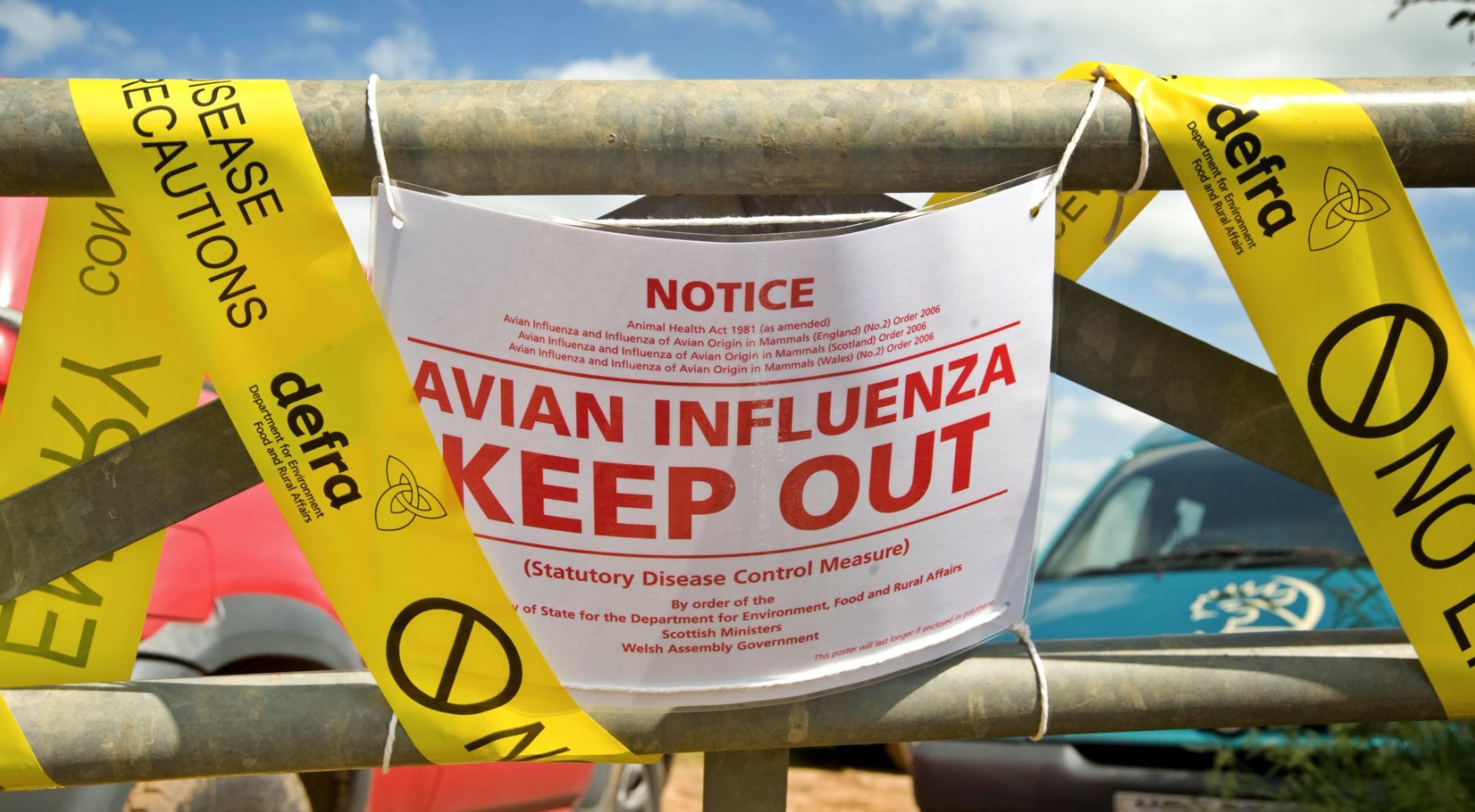
Following confirmation of the outbreak, the UK’s Chief Veterinary Officer urged all bird keepers to follow rigorous biosecurity procedures to reduce the risk of further infections.
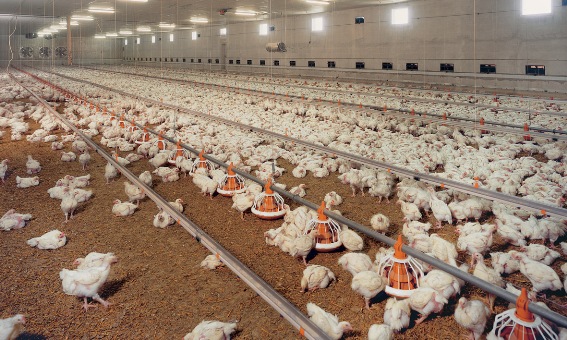
All hens on the affected farm were culled, with the usual movement restrictions imposed on poultry and all types of poultry products within a 3 km protection zone, as well as a 10 km surveillance zone around the site.
Other HPAI cases in poultry in other European countries
In addition, during the second half of October and the first week of November, veterinary agencies in several European countries reported a number of HPAI cases in poultry to WOAH, linked to the H5N1 virus subtype.
In Albania, an outbreak in backyard poultry near Tirana at the end of October represented the first in the area. In Germany, after a break of several months, the same virus was detected again in two backyard flocks in the state of Bavaria.
In the past two weeks, Poland (with 4 additional outbreaks), Italy and Slovakia (with two each), and Austria, the Czech Republic (Czechia) and France, each with one, have reported new HPAI outbreaks on poultry farms.
After a brief absence, HPAI has also been detected in Ukraine, in a small flock of domestic poultry in Mykolaiv, in the south of the country.
Up to mid-November 2024, the highest number of outbreaks (97) has been recorded in Hungary, followed by Moldova (45) and Poland (36), while the totals for Bulgaria and Germany stand at 18.

According to WOAH, the most recent outbreaks in Hungary have affected poultry flocks in six different counties. The majority have involved commercial duck or goose flocks reared for foie gras production.
In the past two weeks, HPAI has been confirmed in commercial poultry in several regions of central and eastern Europe: Bulgaria, Czechia, Moldova, Slovakia, Poland and North Macedonia.
Finally, over the past fortnight, Austria, Germany, Hungary, Italy, Poland, Portugal, Slovakia, Slovenia, Spain and Romania have reported new cases, but in wild birds. In these cases the H5N1 virus was involved, although the H5N5 subtype was identified in those recorded in the Faroe Islands, Great Britain and Norway.
For further information:
-. Avian Influenza on NeXusAvicultura.com