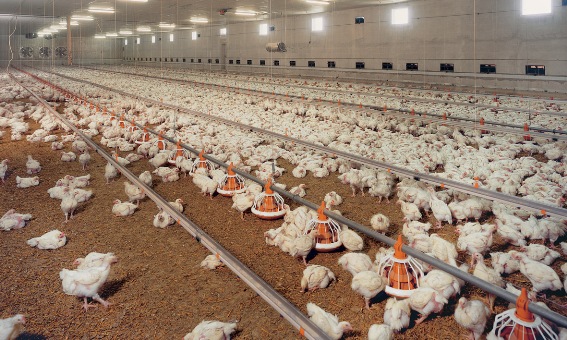

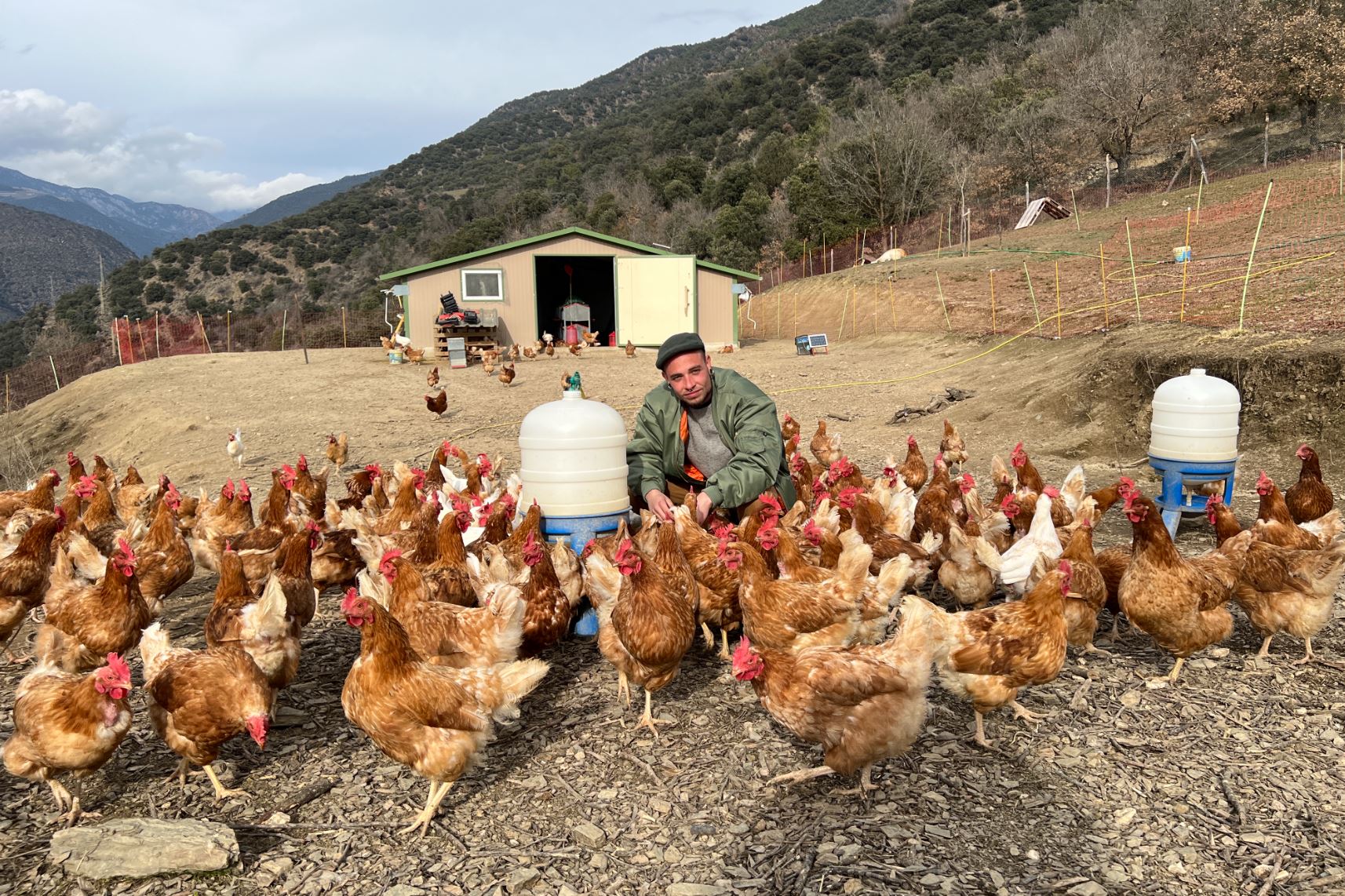
The Organisation of Consumers and Users (OCU) called this Thursday for labelling to reflect that free-range eggs have, according to this organisation, lost their status since the Ministry of Agriculture decreed in November the mandatory housing of all free-range poultry as a consequence of avian influenza.
The Organisation of Consumers and Users (OCU) called this Thursday, 18 December 2025, for consumers to be informed that free-range eggs have lost their status due to the mandatory housing order in which their laying hens are being kept as a result of avian influenza.
Although EU regulations allow the original labelling to be maintained, even when rearing conditions change for health reasons, the OCU stated in a press release that this goes “against the right to accurate information, an essential pillar of food safety and market transparency”.
Since the housing order decreed last November for free-range poultry in order to contain avian influenza, in the OCU’s view consumers are paying “a 27% price premium for eggs from hens that no longer meet those conditions”. According to the OCU, “free-range” or “organic” eggs remain on the market despite not meeting the requirement of coming from hens raised with outdoor access, as these are currently housed, meaning their added value has “temporarily disappeared”.
Currently a dozen barn eggs costs €3.25 and free-range eggs sell for €4.13, prices that are at historic highs since the first reports of the avian crisis in the United States, resulting in a cumulative increase of one euro per dozen.

Calls on the Ministry of Agriculture to take action
The OCU has contacted the Ministry of Agriculture, Fisheries and Food to press for corrective measures and monitoring of commercial margins.
Specifically, it has called on the authorities to review and amend the regulations so that, even in exceptional circumstances, consumers are clearly informed; to establish mandatory communication mechanisms on packaging and at points of sale; and to safeguard the right to accurate information.
Indeed, although EU regulations allow the original labelling to be maintained, even when rearing conditions change for health reasons, the OCU stated in a press release that this goes “against the right to accurate information, an essential pillar of food safety and market transparency”.