
Scientists from the University of Saskatchewan, in Canada, used a new light source to study a promising new technique for decontaminating eggs, having recently published their findings in the journal Science Direct.
The problem with conventional egg decontamination processes, which use chemicals and heat, is that they can damage the cuticle and shell of the egg — natural barriers against bacteria that help maintain nutritional quality during storage.
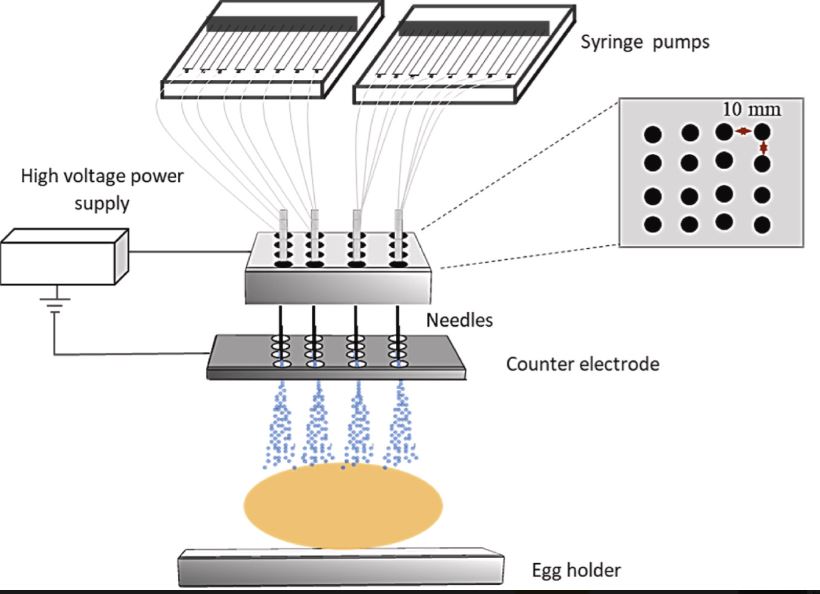
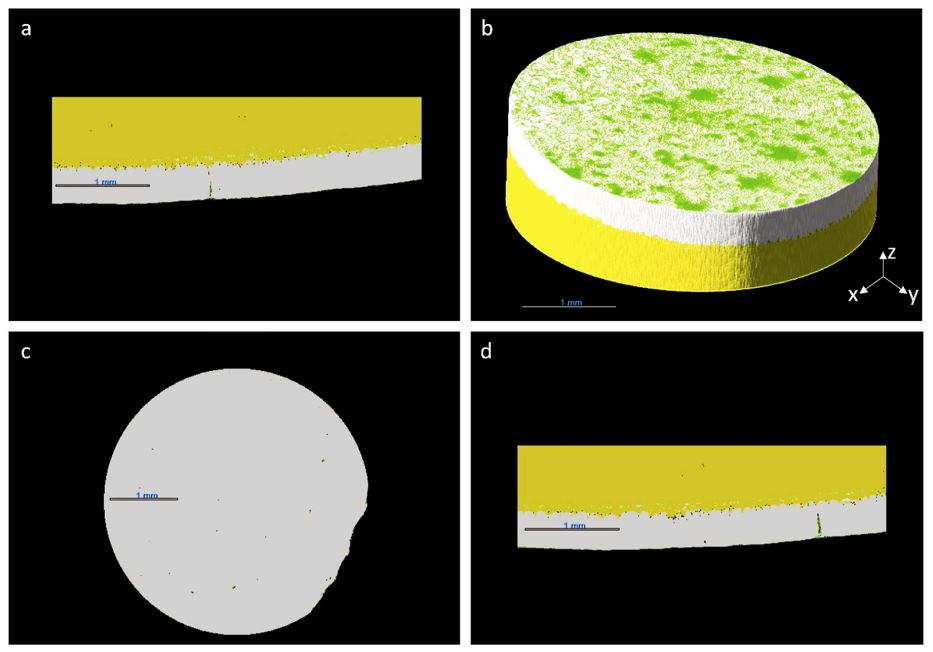
The new cleaning method involves treating eggs with tiny water droplets charged with high-voltage electricity to decontaminate the shell. The researchers then used ultrabright synchrotron light from the CLS to obtain highly detailed 3D scans of the eggs.
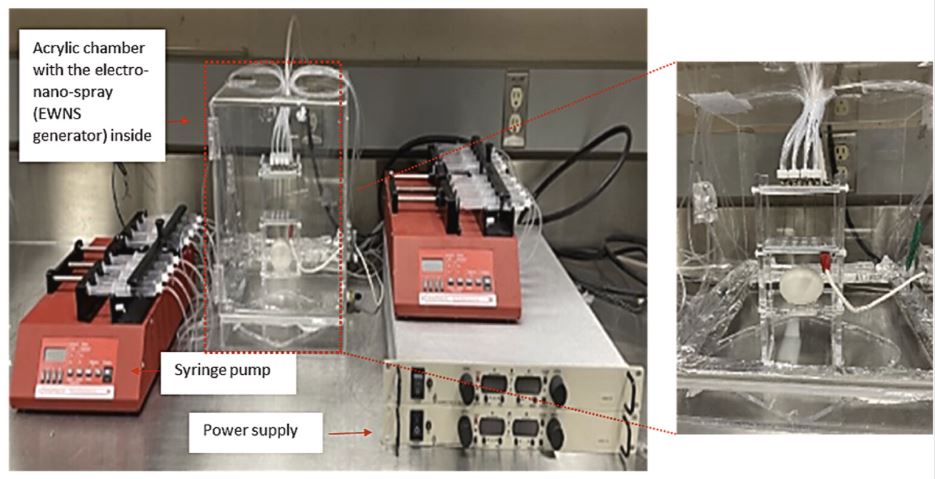
The process involved the use of engineered water nanostructures (EWNS), produced via electrospray — a novel nanotechnology-based technique that can be used for bacterial inactivation — as an alternative to the conventional egg washing method for decontaminating eggshell surfaces.
The results showed that under EWNS operating conditions of 5 min exposure time, with a needle water flow rate of 1 μL/min and an electric field intensity of 9.0 kV/cm, the highest inactivation efficiency was achieved, at 97.6% and 80.4% respectively, for the decontamination of egg surfaces contaminated with E. coli and Salmonella spp.
Hen eggs play a vital role in the human diet, and their safety is essential to mitigate the risk of foodborne illness for consumers. Engineered water nanostructures (EWNS) generated through an electrospray system represent a novel nanotechnology-based technique that can be used to inactivate bacteria. The primary objective of this work was to evaluate the effectiveness of this technique as a chemical-free, non-thermal approach to decontaminating egg surfaces and to investigate its potential as an alternative to the conventional egg washing method.
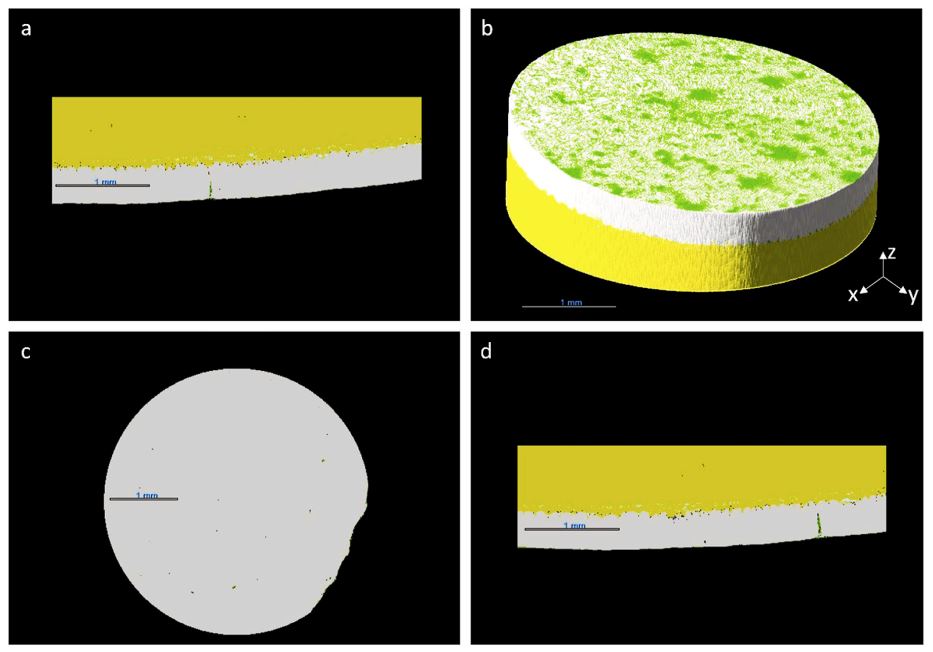
The results showed that under EWNS operating conditions of 5 min exposure time, a water flow rate of 1 μL/min/needle and an electric field intensity of 9.0 kV/cm, the highest inactivation efficiency of 97.6% and 80.4% was achieved for the decontamination of egg surfaces contaminated with E. coli and Salmonella spp., respectively. The results demonstrated that there were no significant differences in the physical properties, chemical components or cuticle coverage of the eggshell of EWNS-treated eggs compared with untreated eggs.
For further reading:
-. “Application of novel engineered water nanostructures techniques for eggshell surface decontamination” LWT, 2024