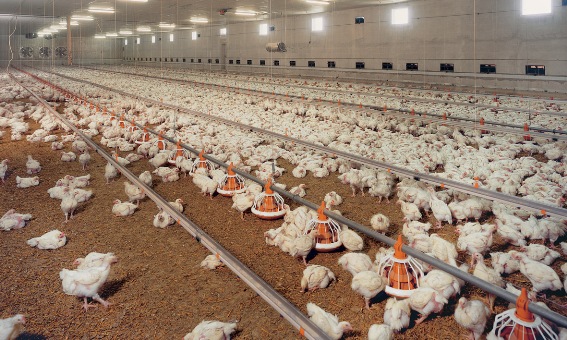


The use of poultry meat as a loss-leader product adds to administrative red tape as problems for a sector threatened by the possible future implementation of animal welfare regulations, COAG has denounced
This regulation, which would require European farms to reduce their capacity by one third of current levels, is not the only problem looming over the poultry sector. Producers and associations have denounced that supermarkets are using chicken meat as a loss-leader product, which ends up directly affecting the price received by poultry farmers.

Furthermore, they complain that bureaucracy and fiscal pressure are strangling them even further.
According to data from COAG, promotions launched by several supermarket chains are set to seriously harm 5,000 chicken farms. “You cannot expect to attract customers to your supermarkets at the farmer’s expense“, the organisation states. “It is deplorable and disheartening to find abusive chicken promotions on the shelves that undermine the enormous effort made at the production level to match supply with demand and weather this critical situation without being forced to shut down”, stressed Eloy Ureña, head of the poultry sector at COAG.

Jesús del Bosque, from Bosquema, currently runs a 60,000-bird chicken farm in the province of Valladolid. “Right now we receive a price from the integrator of around 50 or 55 cents per kilogram of chicken, but if they force us to reduce, we would need to sell it for more than 60 cents or it would not be viable for us.” Margins are currently very tight, and promotions by large supermarkets mean producers face even greater pressure. “Our electricity and maintenance costs would be the same even if we raised fewer chickens, but we would have less output. Let’s hope it stops.”
It should be recalled that the proposed new European regulation would require reducing the stocking density of conventional broilers to a maximum of 11 kg/m².
On top of all this, further concerns include the administrative red tape they already have to endure. Miguel García, from Agroganadera Los Vinateros, raises 39,000 chickens and states that they spend “the whole day doing paperwork”, which takes up far too much time away from their work.
Faced with the possible implementation of the regulation that would reduce his operation, García believes it would represent a setback that would practically force him to close down. And, as he points out, he is already considering conducting fewer rearing cycles with the aim of “not paying the tax authorities” due to fiscal pressure. “In the end you end up paying the same whether you work or not”, he denounces.