
Incorporating lasers on farms to deter wild birds can improve biosecurity protocols and help prevent the spread of diseases, such as the currently prevalent Highly Pathogenic Avian Influenza (HPAI).

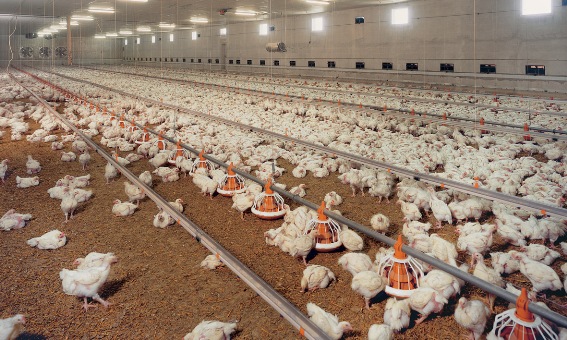
Wild birds can be a significant source of disease transmission to domestic poultry, particularly in free-range systems, but also in housed flocks — a factor of especial importance in the context of HPAI.
Other key elements of biosecurity protocols include strict access controls to farm premises, as well as disease surveillance and monitoring, cleaning and disinfection protocols for equipment, vehicles and personnel, etc.
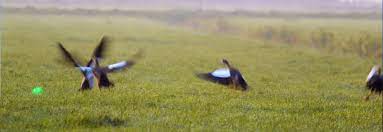
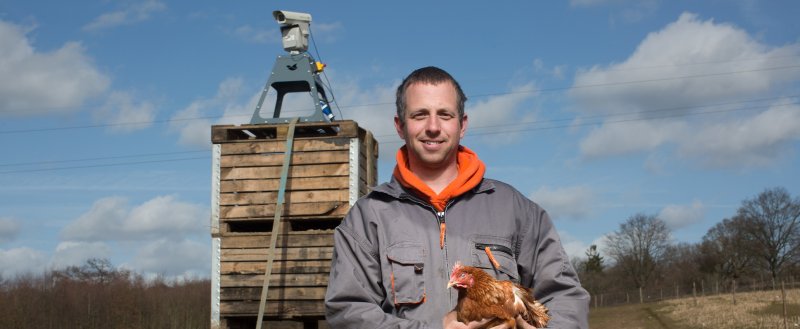
A laser unit mounted on the roof of a poultry house can deter wild birds from restricted areas of the farm by emitting a randomised light pattern. The laser beam is controlled via a Bluetooth application installed on a mobile phone. Green light is particularly recommended, as birds’ eyes perceive this wavelength as a physical object.
Lasers offer several advantages over scarecrows or plastic owls, since wild birds tend to habituate to these traditional deterrents, limiting their effectiveness. Automation ensures that the light pattern remains unpredictable, meaning birds do not become accustomed to it and continue to perceive it as a physical threat, triggering their flight or fight response.

For further reading:
-. “Efficacy of an automated laser for reducing wild bird visits to the free range area of a poultry farm“
-. “Growers Are Beaming Over The Success Of Lasers To Stave Off Thieving Birds“
-. Bird Control Group