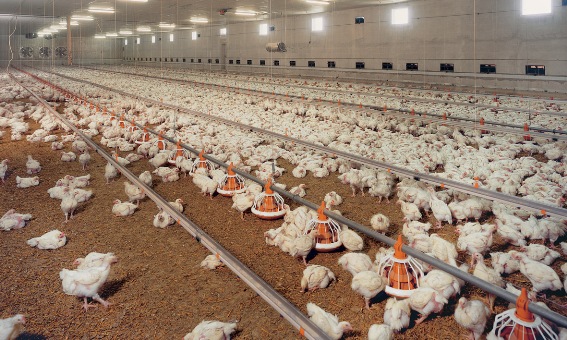

A vitamin D supplement in layer diets not only serves to increase the shell strength of eggs and improve the skeletal health of hens, but can also help reverse the growing prevalence of vitamin D deficiency in the people who consume them.
“Eggs are already a highly nutrient-dense food, and they are the most cost-effective way to provide essential proteins and other nutrients to our diets,” says Mike Persia, from the College of Agriculture and Life Sciences at Virginia Tech University, USA. With that idea as a starting point, the question they asked themselves was how much vitamin D can we safely provide through feed to a hen and how much of it will be transferred to the egg.

Vitamin D deficiency in humans
Currently, nearly half of the world’s population is at risk of vitamin D deficiency, an essential element for bone health that is naturally produced in the body through exposure to sunlight.
However, “nowadays we spend more time indoors due to office jobs, air conditioning and perhaps video games, as well as taking measures to prevent skin cancer, such as wearing hats, seeking shade and using sunscreen,” says Persia.
Furthermore, in humans, vitamin D deficiency is associated with problems in bone growth and maintenance, as well as with muscle strength, fatigue and depression. Some studies have even found a connection between vitamin D deficiency and cancer, cardiovascular disease, diabetes and autoimmune diseases (*).
As a result, humans have reduced their ability to produce vitamin D naturally. They therefore need to obtain more vitamin D from their diet, and eggs are a natural solution for this.
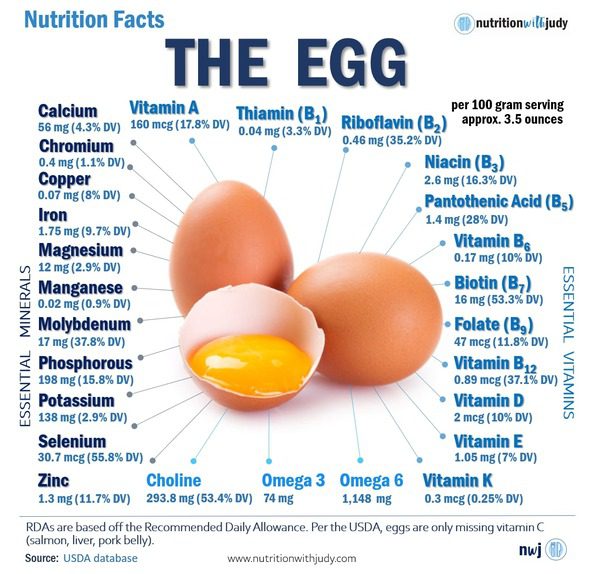
According to the labelling of the United States Department of Agriculture (USDA), a two-egg omelette provides 22% of the recommended daily intake of vitamin D. An enriched egg could provide even more of this essential vitamin, adding to the range of health benefits this product offers.
The conclusion is that as the days grow shorter and sunshine becomes harder to find during winter, it is clearly time to add more eggs to our diets!
_________________
(*) The cited reference is the work by Drs. Omeed Sizar et al. (2023) entitled “Vitamin D deficiency“, whose abstract reads as follows:
Vitamin D is a fat-soluble vitamin used by the body for the normal development and maintenance of bones by increasing the absorption of calcium, magnesium and phosphate. A circulating 25-hydroxyvitamin D level above 30 ng/mL is required to maintain a healthy vitamin D level.
Vitamin D deficiency can lead to a number of problems, most notably rickets in children and osteoporosis in adults. The fortification of milk with vitamin D in the 1930s was effective in eradicating rickets worldwide, although current deficiency is more prevalent than ever and high-risk populations should be screened. Many contradictory studies now show an association between vitamin D deficiency and cancer, cardiovascular disease, diabetes, autoimmune diseases and depression.
This justifies the review we have conducted on the assessment and management of vitamin D deficiency and explains the role of our interprofessional team in improving patient care in this situation.
Source:
-. Mike Persia. John W. Hancock Professor and Extension Specialist, Poultry Nutrition & Management. School of Animal Sciences
3060 Litton-Reaves Hall ; 175 West Campus Drive; Blacksburg, VA 24061