
5 years ago, HIPRA, Spain’s largest veterinary laboratory, planned to invest €250M in its new complex or campus to jointly address Animal Health and Human Health.
At the start of 2025, the forecast had risen to €472M to be invested in this “One Health” project, and the new global and European reindustrialisation landscape has reinforced their commitment to the “One Health” approach, increasing the investment to over €555M.
Hipra plans investments exceeding 555 million euros at the Aiguaviva complex.
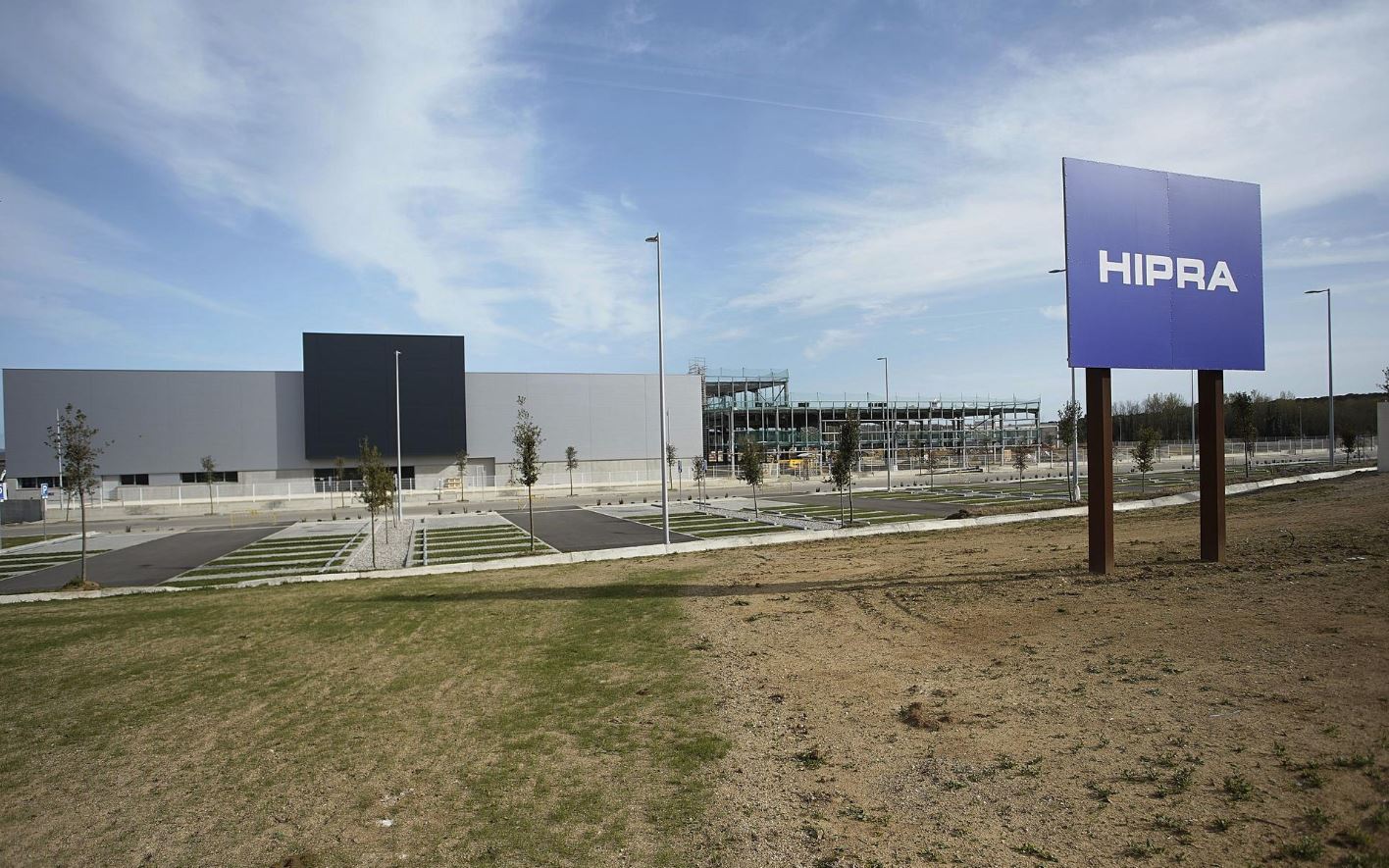
Veterinary and pharmaceutical laboratory Hipra plans to invest 555 million euros in its new industrial and scientific complex in Aiguaviva (Girona). The company, founded and controlled by the Nogareda family, inaugurated the first phase of the facilities in autumn 2024. These facilities will allow the expansion of its core animal vaccine business and will be pivotal to the future of its more recent human health division.
Headquartered in Amer, Hipra has worked for nearly a decade on developing this project, which covers an area of 114,000 square metres. In the most recent estimates published five years ago, the company anticipated investing around 250 million euros. “This centre will be one of the most innovative in Europe and comes at a time when the continent is committed to reindustrialisation”, explained Carles Fàbrega, head of the human health division, in an interview with La Vanguardia. In the first phase, Hipra has already invested 146 million euros, with 30 million invested this year alone.
67% of its R&D is devoted to the veterinary field
In addition to campus investments, Hipra maintains significant R&D contributions. Last year, a total of 62 million euros was invested, of which 67% was allocated to veterinary projects. The company has 28 veterinary biological programmes at various stages of development, including a vaccine for African swine fever, and two human health projects targeting respiratory syncytial virus and West Nile virus (WNV). “The future of human health lies in the fight against superbugs and zoonotic viruses”, added Fàbrega.
Investments in this project, together with the boost to the human health division following the pandemic and R&D expenditure, have impacted the company’s results. Net profit fell by 36%, standing at 32.7 million euros, while gross operating profit (EBITDA) was 89.2 million euros, down 18%.
This is not the first time Hipra has undertaken a project of such magnitude. “In the 2000s, we built a network of 40 overseas subsidiaries and in 2008 we decided to stop researching antibiotics and focus on vaccines. The early years can be challenging, but these efforts ultimately deliver significant results further down the line”, noted Peter Saey, head of human health.
Group turnover fell by 3%, standing at 440 million euros. The decline in revenue is attributable to the divestiture of the hormonal veterinary products division and the drop in revenue from the human health division. “We have seen a notable increase in the veterinary business, but it was not sufficient to offset these two factors. This year, in the first quarter, we recorded 12.5% growth in sales”, stated Chief Financial Officer David Maldonado.
Fàbrega points out that the human health business has three growth drivers for the coming years. The first is the COVID vaccine. “We expect that from 2026 and 2027 onwards, many of the pandemic-related contracts will come to an end and we will be able to enter a recurring business with our recombinant protein technology, which is far more advanced”, he notes. The second driver is the entry into the Spanish market of products from GoodGut, a biotechnology company acquired in 2021, for colon cancer diagnosis and irritable bowel syndrome. The third is the creation of a contract manufacturing division.
Source:
-. LA VANGUARDIA newspaper: Hipra projects investments of over 550 million at the Aiguaviva complex (13 June 2025)