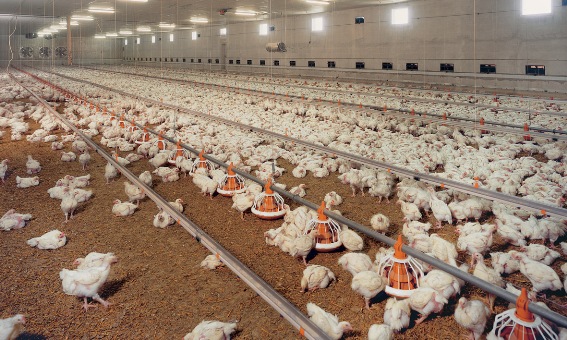

- On 10 April 2025, Grupo Costa presented the Ebro Valley Agri-food Logistics Centre (CLAVE), with a planned investment of €896 million and a forecast of creating 5,300 direct jobs
- The Government of Aragon has endorsed the project as a PIGA, which aims to establish Aragon as a biotechnology, research and development hub for the agri-food sector
- This is the first PIGA to be submitted with an independent socioeconomic impact report, commissioned from the University of Zaragoza
The Ebro Valley Agri-food Logistics Centre (CLAVE), which Grupo Costa is set to develop with an investment of €896 million in the Zaragoza municipality of Villamayor de Gállego, received backing on 10 April 2025 with the commencement of its processing as a PIGA (Plan of General Interest for Aragon) by the Government of Aragon.
As explained by Jorge Costa, CEO of Grupo Costa, “with space for several meat production centres, logistics facilities and a major biotechnology campus, we want it to become a national benchmark that positions Aragon as a biotechnology, research and development hub for the agri-food sector“.
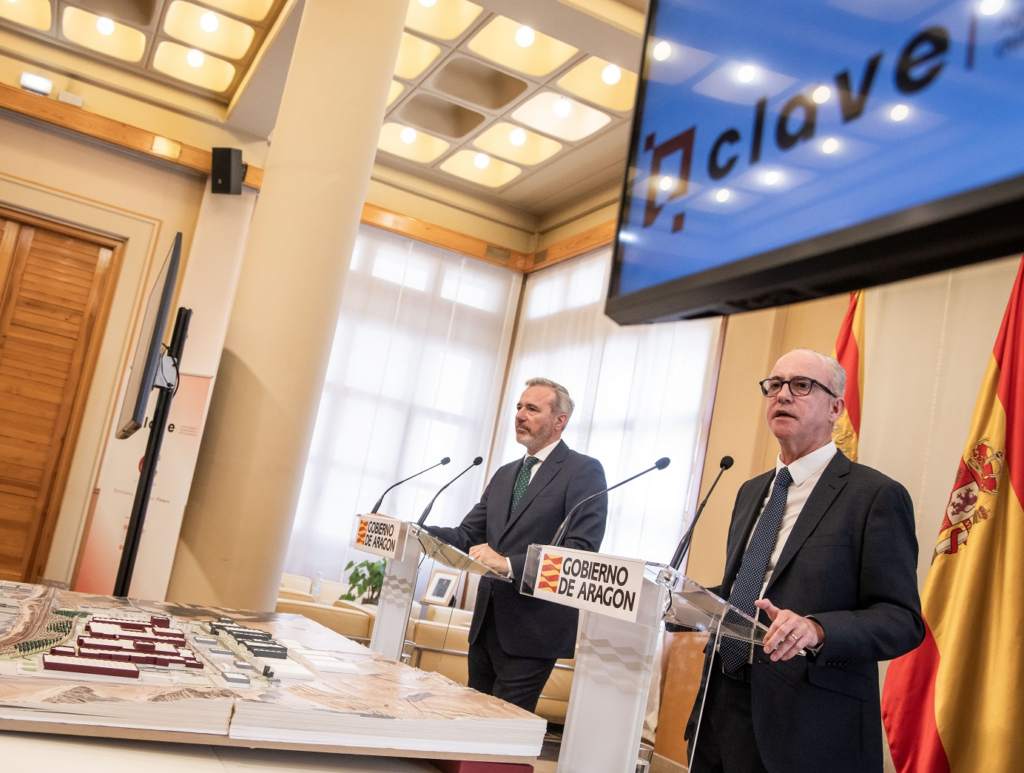
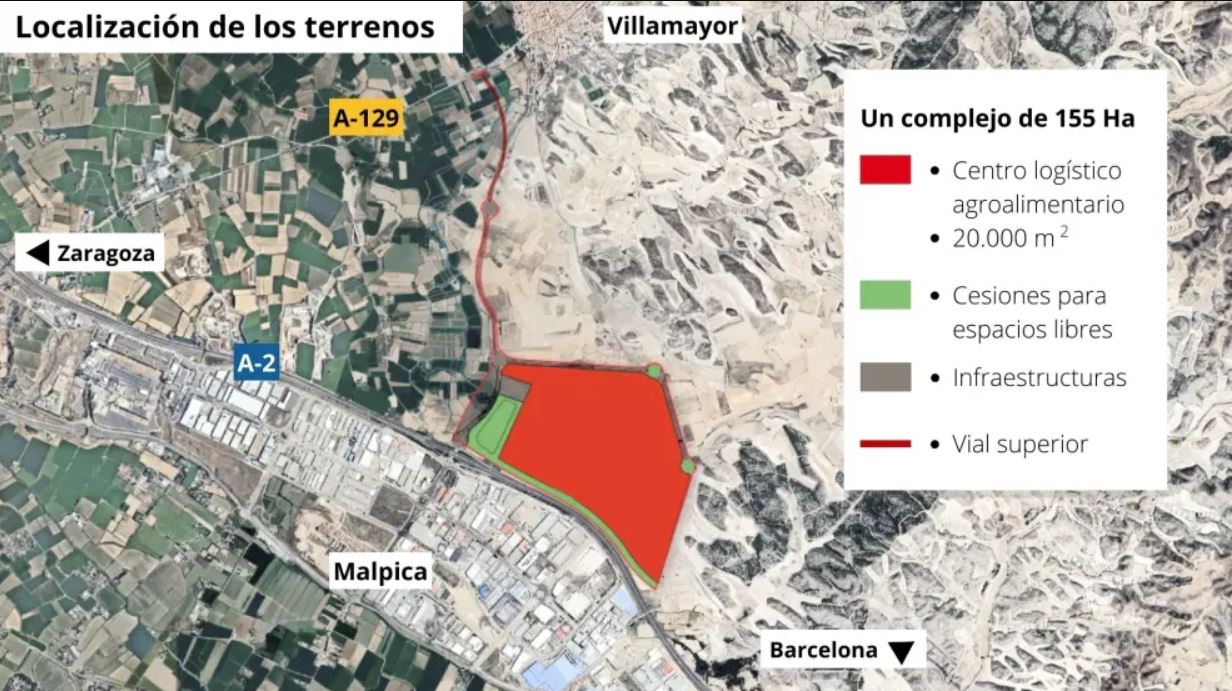
CLAVE will cover an area of 180 hectares in the southern part of the Villamayor municipal district, alongside the A-2 motorway and opposite the Malpica industrial estate (Zaragoza). Notably, this is the first PIGA to be submitted with an independent socioeconomic impact report, commissioned from the University of Zaragoza: “We are very pleased with the results, as they exceed the impact figures we estimated a year ago, when processing began as a DIGA: it is projected that, in 15 years, when operating at full capacity, CLAVE will generate 5,300 direct jobs”. Some 40% will correspond to technical profiles, and 4 jobs will be created for every million euros of turnover. The projected aggregate turnover for the project is €1.7 billion per year.

According to the study, 30% of the new jobs will be held by residents in the rural areas and bordering zones of the Zaragoza municipal district, and this variable could generate a 10% increase in population in those areas. This growth will bring about improvements in infrastructure and services in the region.
Increase of €1.08 billion in Aragon’s GDP
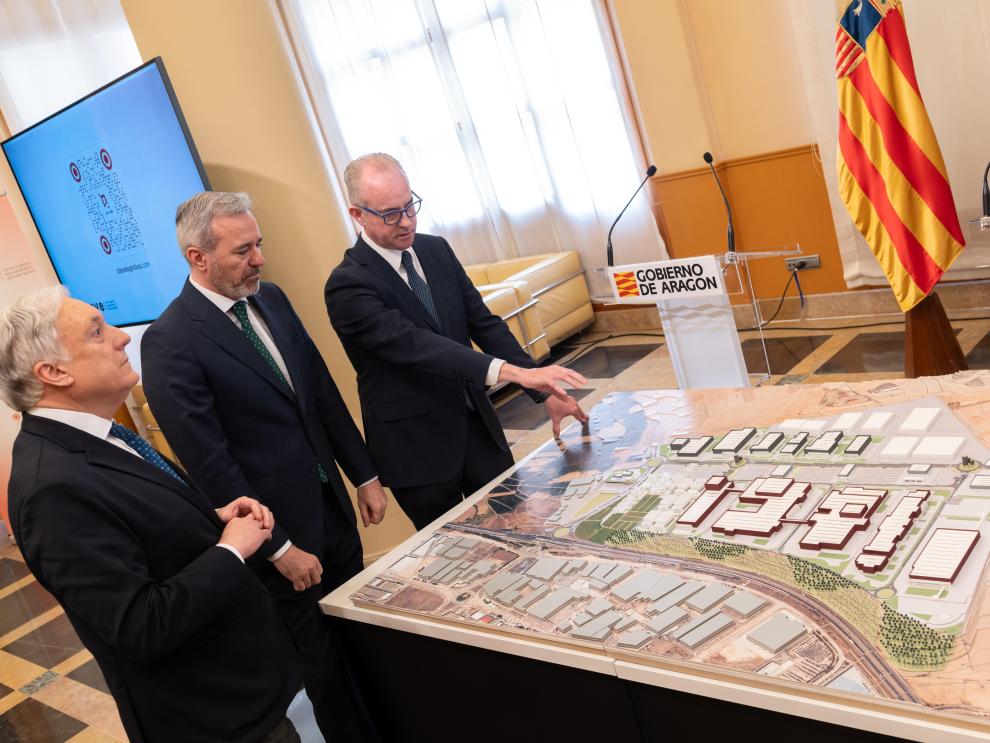
During the presentation, the President of the Government of Aragon, Jorge Azcón, also highlighted the importance of the project and its status as a “national reference in the agri-food, biopharma and logistics sectors. The fact that it is an Aragonese company driving this forward and developing it in our region fills us with particular pride, because it strengthens synergies and will attract other projects to the area. I would venture to say that this is currently the most important agri-food project in the country.” Indeed, according to the socioeconomic impact report, an increase in Aragon’s GDP of €1.08 billion (2.31%) is estimated, rising to 14.95% when the figures are focused on the Aragonese industrial sector.
For his part, Jorge Costa expressed his gratitude to the Government of Aragon “for its support of this initiative with 100% Aragonese capital, through which Grupo Costa wishes to deepen its longstanding commitment to Aragon and drive the creation of quality employment in rural areas, thereby contributing to regional cohesion.” Costa also acknowledged the support and positive attitude of the Mayor of Villamayor de Gállego, José Luis Montero, in bringing this initiative to fruition.

The CLAVE campus: a national reference biotechnology centre
Construction is scheduled to begin in the first quarter of 2027. According to the overall project plan, full development will not be achieved for approximately 15 years. The initial phase, in which €175 million will be invested and which will include a biotechnology campus, a poultry production centre and the Group’s corporate headquarters, is expected to become operational within two years of construction commencing. During this same phase, all public infrastructure will be developed, including a section of the road connecting Villamayor with the A-2.
The biotechnology campus will serve as the Group’s R&D headquarters. It will have a workforce of 64 highly qualified professionals and aspires to become a national benchmark, including in the implementation of circular economy processes — in this case based on the utilisation of by-products generated during meat processing to create new high-value-added products. This is a line of work that Grupo Costa has already advanced in other projects such as Glicopepton Biotech, a company established in Fraga for the production of high-technology compounds, such as crude heparins.
With a distinctly high-tech character, the campus will include research and development centres based on collaborative partnerships with universities and research institutes, with the ambition of creating patents and projects that introduce qualitative and quantitative improvements in both the agri-food and biopharmaceutical sectors. One outcome of this objective is the recent establishment of the Costa Chair at the University of Zaragoza to promote circularity in the primary sector, reflecting the group’s commitment to research, innovation and animal welfare. Six collaborative projects with universities and technology centres are currently underway.
The poultry-based processing facility will include a transformation, processing and logistics centre. It will also serve as the company’s operational base for northern Spain. The corporate headquarters, from which the Group’s administrative management will be centralised, will house offices and general services, and will include catering and dining facilities, health and sports services, training rooms, an auditorium, a service station and a hotel.
In subsequent phases, construction will proceed on a large logistics warehouse of 23,500 m2 for frozen goods, fresh products, conventional logistics and picking; a centre dedicated to the processing of veal and lamb (ruminants); and a pork-based processing facility that will complement those the group already operates at various locations across Spain and which will be dedicated to increasing the productive capacity of this important business line. It will include a meat transformation and processing centre, a logistics warehouse and a protein plant. It will also feature a fresh, cooked and cured product preparation and packaging centre.
Furthermore, it should be noted that the project forms part of Grupo Costa’s growth and expansion strategy, meaning that its establishment will not have a negative impact on other industrial centres within the group, while optimising synergies across all of them.
Who is GRUPO COSTA?
Grupo Empresarial Costa, a company originating from Aragon where it announced this major €896 million investment in its Ebro Valley agri-food logistics centre on 10 April 2025, operates across the agri-food, renewable energy, automotive, plant health, hospitality and real estate sectors through its brands: Costa Food Group, Piensos Costa, Costa Food Meat, Casademont, Ibéricos Costa, Industrias Cárnicas Villar, Embutidos La Nuncia, Aviserrano, Roler, La Alegría Riojana, Juan Luna, Bodega Sommos, Sommos Hoteles, Renovables Costa, Key Salud Vegetal, Grupo Optimotor and Doble Emme.
Global presence
Grupo Empresarial Costa maintains a strong presence throughout the entire agri-food value chain, from primary production through to distribution and commercialisation. It currently operates in more than 100 countries through Costa Food Group, a holding company comprising:
- Costa Food Meat
- Casademont
- Industrias Cárnicas Villar
- Embutidos La Nuncia
- And, since April 2020, Grupo Aviserrano
With the acquisition in May 2020 of a 50% stake in Grupo Aviserrano and the announcement of this major investment of nearly €900 million in April 2025, Costa has taken a decisive step towards consolidating its position as a multi-sector reference in the European meat industry, with a commitment to diversification, internationalisation and sustainable growth.
When did GRUPO COSTA enter the poultry sector?
Grupo Empresarial Costa made a decisive entry into the poultry sector in May 2020 through the acquisition of a 50% stake in Grupo Aviserrano
In May 2020, Grupo Empresarial Costa took a key strategic step by entering the poultry sector in a major way through the acquisition of a 50% shareholding in Grupo Aviserrano. Through this transaction, the meat conglomerate incorporated the companies Avinatur, Iber Serrano, Paviso Alimentación and Serrano Protein into its corporate structure, which became part of the Costa Food Group holding company.
Through this acquisition, Costa gained access to a new value-added market, strengthening and diversifying its extensive offering of pork and Iberian meat, hams, charcuterie and processed products, already marketed under established brands such as Casademont, La Nuncia and Villar.
With this integration, Costa positioned itself as one of the most significant meat groups at national level. The company currently employs more than 4,000 staff and has a combined productive capacity that exceeded 1.55 billion broilers processed in 2024, consolidating its multi-sector presence.
A multi-species, vertically integrated meat holding
Costa Food Group is structured as a multi-species group with full vertical integration across the three animal production lines it now operates: broiler chicken, turkey and pig. This strategy enables it to control every link in the value chain, from production through to final commercialisation.
“For us, it is essential to position ourselves as a reference supplier for our customers. We want to be able to offer them a broad product portfolio, with full traceability supervision from source to commercialisation, in order to build lasting relationships of trust,” declared Jorge Costa, CEO of Grupo Empresarial Costa.
Aviserrano: a national reference in poultry meat
Grupo Aviserrano is one of the leading players in the poultry sector in Spain, with a production capacity of 315 million birds per year from its main headquarters in El Viso del Alcor (Seville). The group’s structure includes:
- Avinatur: one of Spain’s largest poultry integrators, specialising in the production of fresh broiler chicken, with production centres and feed mills in Andalusia and Murcia. With a slaughter volume exceeding 65 million broilers/year and approximately 400 integrated farms. Supplying the processing industry, Mercadona and retail customers.
- Jovi Serrano: a processed meat centre specialising in the transformation of chicken and turkey derived products.
- Paviso Alimentación: a multi-service company in the meat sector specialising in frozen, IQF and cooked chicken processed products.
- Serrano Protein: a recently established company dedicated to the manufacture of functional and soluble proteins based on production derived from chicken and turkey raw materials.
Grupo Aviserrano currently operates a feed mill in Andalusia supplying more than 400 integration farms, with an annual production capacity exceeding 65 million birds. In addition, it operates the following production centres:
- Guadix Feed Mill
- Meat Processing Centres in Purullena and El Viso del Alcor
- Broiler and turkey processing and further-processing plant at El Viso del Alcor
- Further-processing plant at Liria
Its workforce has more than 20 years of experience in the meat sector, always working with passion to achieve excellence in its operations, the highest product quality and environmental stewardship. In addition to its solid positioning in the domestic market, the group maintains an international presence in more than 30 countries, with an ambitious investment plan for the coming years.
The group holds BRC and IFS certifications, the most stringent in the food sector at international level, as well as Animal Welfare, Halal and SAE level 3 certifications. All processes are vertically integrated, guaranteeing complete control from raw materials through to the final product delivered to customers.
Grupo Aviserrano maintains its organisational structure and management team at its main headquarters in El Viso del Alcor.
Farm development and sustainability
Alongside its industrial infrastructure, Aviserrano also had plans for an extensive upgrade of its farm network, with the creation or renovation of 400 integrated poultry farms between 2020 and 2025. The objective was to achieve, by 2025, a daily production capacity of:
- 650,000 broilers/day
- 120,000 turkeys/day
Further reading:
-. Why has Grupo Costa chosen Villamayor for its major investment in Zaragoza?
-. The other major agri-food logistics complex under construction in Aragon: the bonÀrea project in Épila.