
25 July 2024. Member States must work together to implement comprehensive surveillance systems, including whole genome sequencing, to track the spread and evolution of the new virus.
The Food and Agriculture Organization of the United Nations (FAO) is issuing an urgent call to combat the rise in avian influenza (AI) cases across Asia and the Pacific. The call follows a regional expert consultation in Bangkok, with support from the United States Agency for International Development (USAID) and the Centers for Disease Control and Prevention (CDC).
Recent developments are alarming. Following a prolonged period of minimal human infection, 13 new human cases have been reported in Cambodia, with additional cases recorded in China and Vietnam since late 2023. The situation is further complicated by the emergence of a new variant of avian AI, posing fresh challenges for scientists, public health authorities, clinicians, and communities alike.
At the global level, the highly pathogenic H5N1 AI virus has spread geographically further than ever before, reaching South America and Antarctica. It has also begun to infect new wild and domestic animals, including scavenging species, marine mammals, carnivorous domestic pets, fur-farmed mammals, and, most recently, farm ruminants such as dairy cattle.
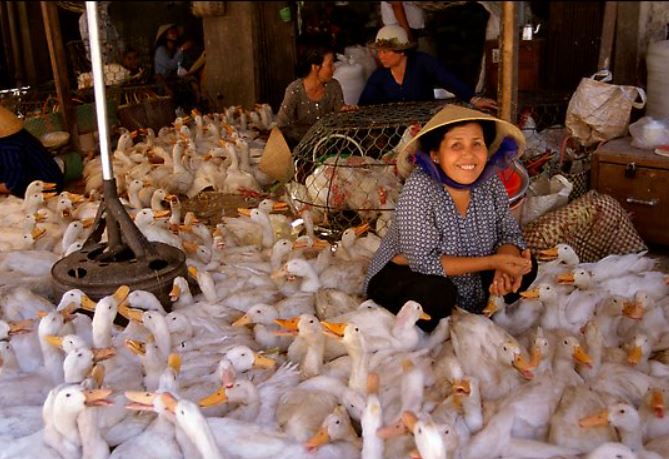
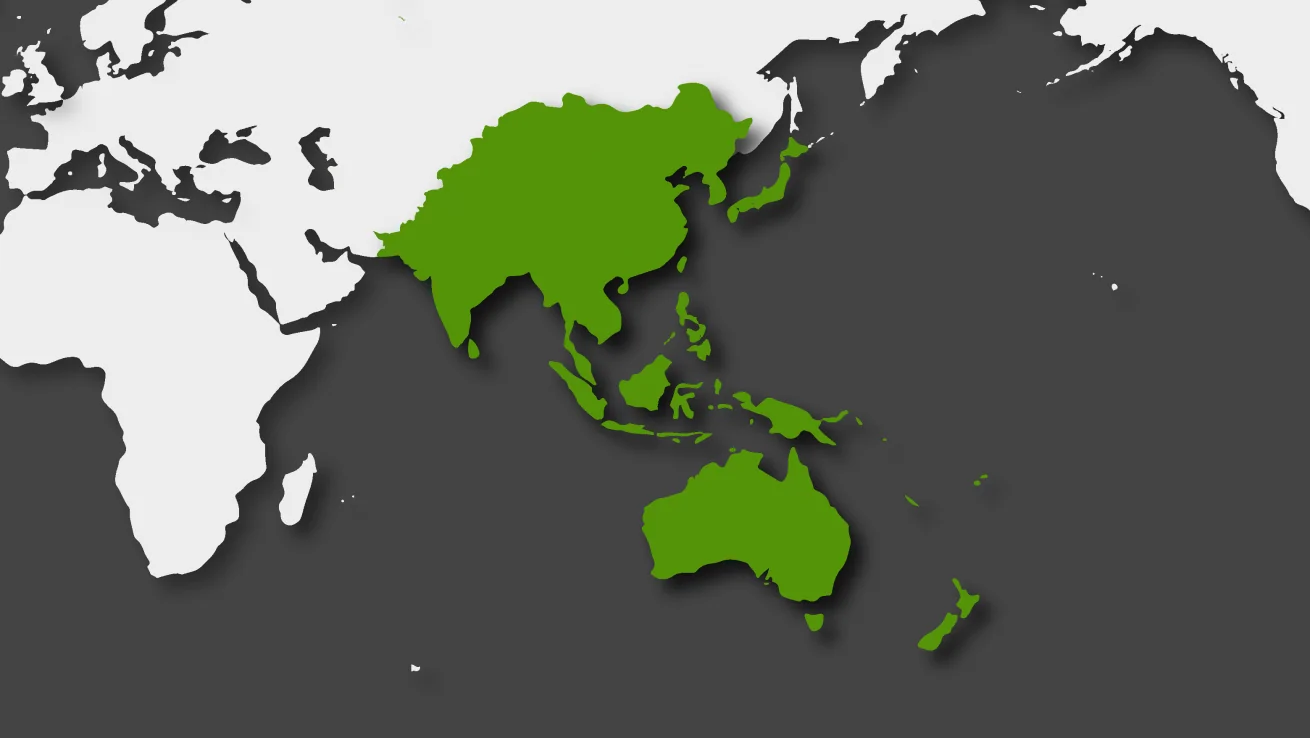
While the Greater Mekong sub-region, Indonesia, and the Philippines face heightened scrutiny due to their diverse ecological landscapes and limited biosecurity measures, other areas also remain at risk. Notably, Thailand and Myanmar have not reported outbreaks in years, while India, Nepal, and Bangladesh are currently battling AI outbreaks.
“The recent surge in AI outbreaks is deeply concerning,” said Kachen Wongsathapornchai, Regional Director of the FAO Emergency Centre for Transboundary Animal Diseases (ECTAD). “Since late 2023, we have observed an increase in human cases and the spread of the virus to new animal species. The emergence of new strains of A/H5N1 that are more easily transmissible heightens the pandemic threat. Immediate and coordinated preventive measures are essential.”
Critical Actions for Member States
FAO emphasises the urgency of a unified response. Member States must work together to implement comprehensive surveillance systems, including whole genome sequencing, to track the spread and evolution of the new virus. Capacity development for rapid diagnostics and bioinformatics is crucial for analysing virus data. Improved cross-sectoral data sharing is vital for a holistic approach to disease management.
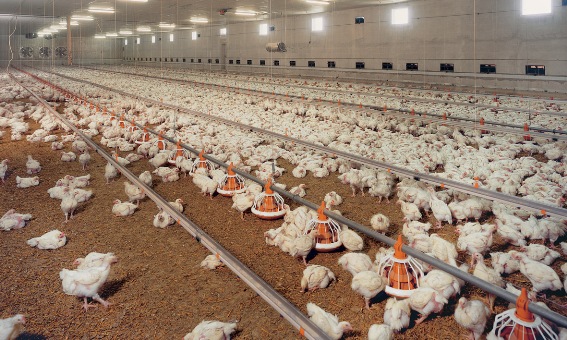
Governments, international organisations, and the private sector must collaborate and share information in a transparent and timely manner to design effective containment strategies. It is imperative to strengthen biosafety and biosecurity measures in the poultry sector, including vaccination strategies and the promotion of good husbandry practices, as well as raising awareness among healthcare providers and the public, which is essential for reducing the risk of AI virus transmission from sick or dead poultry to humans and ensuring that symptomatic individuals receive timely treatment.
With USAID’s dedication and support for building and strengthening resilient health systems and communities, FAO is working with 13 Member States and partners across Asia and the Pacific to strengthen animal health and One Health capacities, with the aim of improving prevention, detection, and response to health threats at the human-animal-environment interface.
To learn more:
-. Avian Influenza on NeXusAvicultura.com
-. FAO urges immediate action as new variants of avian influenza threaten Asia and the Pacific