

Spoiler: the one who will end up paying is the consumer, no matter what.
Perhaps a more accurate headline for this article would have been “Dispute in France over who should pass on to the consumer the additional cost of in-ovo sexing“, or did French — and European — consumers really believe that a “more ethical” production system in which male day-old chicks are not culled would not ultimately drive up egg prices?
Crisis in the French poultry sector between Hatcheries and Egg Producers versus Large Retail Chains
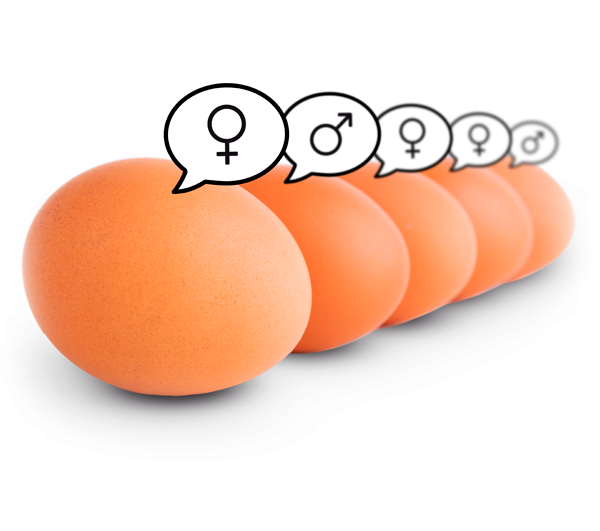
The mandatory implementation of in-ovo sexing in France since 2023, aimed at preventing the mass culling of male chicks, is facing a serious crisis due to the lack of agreement on who should bear its cost. This practice, which at the time positioned France as a pioneer in animal welfare, entails an estimated annual cost of between 40 and 50 million euros. The disagreement among the various actors in the production chain has created tensions and threats of disruption to egg supplies.
Background: a temporary agreement now in dispute
In 2023, a multi-party agreement established a surcharge of 59 cents per 100 eggs on the retail selling price, intended to cover the investment costs in in-ovo sexing equipment by hatcheries. However, this agreement expired on 28 February 2025, necessitating the renegotiation of its terms to ensure the continuity of the programme.
Failed negotiations and mutual recriminations
Negotiations for a new agreement are deadlocked. Retailers are seeking to broaden the scope of the financing mechanism to include egg wholesalers, but no consensus has been reached on the terms for all parties involved.
The CNPO (France’s Egg Interprofessional Organisation) accuses supermarkets of blocking the negotiations, which would force laying hen farmers to bear the full cost. They also criticise the absence of retail distributors and representatives of major supermarket chains from a meeting organised by the Ministry of Agriculture to resolve the dispute. The Fédération du Commerce et de la Distribution (FCD) justifies its position by arguing that large and medium-sized supermarkets should not be required to bear the full costs.

Firm stance from Hatcheries and Egg Producers
The Syndicat National des Accouveurs (SNA), which represents French hatchery companies, condemns the attitude of large and medium-sized supermarkets and warns that laying hen producers could see the cost of each pullet chick double, which would have a dramatic impact. The SNA, as the sector’s representative before the authorities, advocates for the funding of in-ovo sexing.
The CFA (Confédération Française de l’Aviculture) describes the supermarkets’ attitude as disrespectful and threatens to halt egg deliveries to those blocking the negotiations. They are even considering exporting to other markets, such as the United States, where the avian influenza situation has generated high demand.
Risks and Consequences for the Sector
The lack of agreement could have serious consequences for the French poultry sector. Producers, already affected by the avian influenza crisis, would be unable to absorb the additional costs, putting the viability of their operations at risk.

If no solution is found, the costs of in-ovo sexing will fall on laying hen farmers, which could destabilise production cycles. The SNIPO (Syndicat des Industriels et Professionnels de l’œuf) warns of the risk of worsening egg shortages.
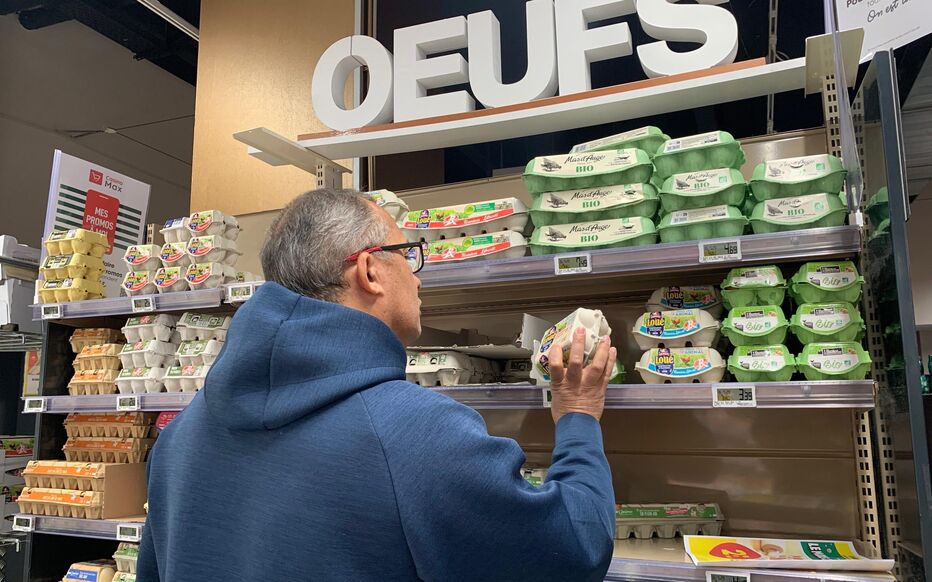
The current situation is creating uncertainty among French laying hen farmers, who are simply asking that if society has “called for” higher welfare standards and wants to abolish the culling of male sibling chicks of laying hens at the moment of hatching, supermarkets must absorb this additional cost and pass it on in the final retail price of eggs.
If supermarkets want to place the label “eggs produced without culling of male chicks” on their shelves, they must equally guarantee the economic sustainability of the laying farms and hatcheries that supply them.
Federico Castelló
P.S.
I would love to know what major egg producers outside the EU must be thinking about these European concerns…