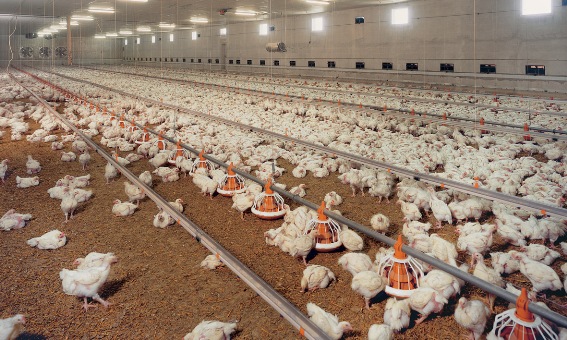

Currently (24 July 2024) the State of Colorado has the highest number of reported cases of highly pathogenic avian influenza (HPAI) on dairy farms in the United States, with 47 confirmed detections. And since April 2022, it has also had 33 domestic poultry flocks affected by the virus, with a loss of more than 6.3 million head in the state.
In an effort to curb the spread of the HPAI virus and implement additional control measures to protect the dairy and poultry sectors and public health in the state, the Colorado Department of Agriculture has announced that it is implementing mandatory statewide surveillance for all dairy cow facilities licensed by the Colorado Department of Public Health and Environment (CDPHE). The action, which makes it the first state to conduct mandatory testing, will help identify any newly infected dairy farms in order to prevent further spread of the disease.
“We have been navigating this new and challenging HPAI outbreak on dairy farms for nearly three months in Colorado and have been unable to curb the spread of the disease until now,” said Dr. Maggie Baldwin, Colorado State Veterinarian. “We have seen devastating impacts of this disease not only on our dairy farms, but also on poultry farms. With strong support from the dairy and poultry industries, we believe this is the best step to protect these vital industries in our state.”
Colorado is now experiencing spillover of the dairy strain H5N1, genotype B 3.13, into commercial poultry farms. Colorado has had two confirmed spillover cases, verified through genomic sequencing, and one presumed spillover case from dairy farms to commercial poultry farms, which resulted in the death and mandatory depopulation of more than 3.2 million birds during the month of July.
The statewide surveillance will be conducted under the joint oversight of the CDA and CDPHE with the support of the USDA and will remain in effect until further notice from the State Agriculture Commissioner Veterinarian. Dairy producers will receive additional guidance directly regarding the implementation of this order to meet testing requirements.
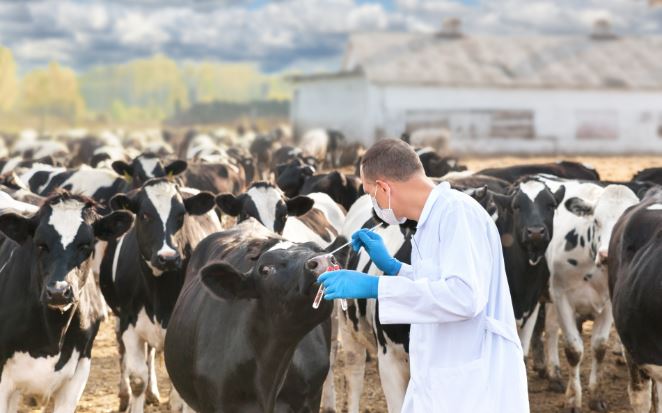
During this period, all CDPHE-licensed Colorado dairy cow facilities with lactating dairy cattle producing products for human consumption will be required to submit weekly samples for analysis. These samples will be collected by CDPHE-certified samplers and analysed by the Veterinary Diagnostic Laboratory at Colorado State University. Dairy farms currently under quarantine or testing are subject to those specific orders.
Furthermore, the CDC has confirmed additional human cases, bringing the total to eight. In these latest cases, the virus was contracted by workers assisting with the depopulation of laying hen houses.
Nevertheless, the CDC has stated that the virus sequence has retained its key genetic characteristics and lacks changes that would make it better adapted to infect or spread among humans. They have also noted that the sequence in one of the infected workers is related to the first human case in Michigan. Despite these findings, they are “reassuring,” as they show that the virus has no changes associated with antiviral resistance.
For more information:
-. Avian Influenza at NeXusAvicultura.com