
Cargill has developed a new service, called Reveal Layers, now available in several countries, using near-infrared (NIR) technology to monitor the body condition of laying hens.
“The body condition of laying hens can be linked to liver function and long-term egg production“, said Luke Barnard, poultry technology specialist at Cargill UK. “By measuring body fat, we can identify deviations from the optimum and adjust diet composition to support egg production and improve laying persistency.”
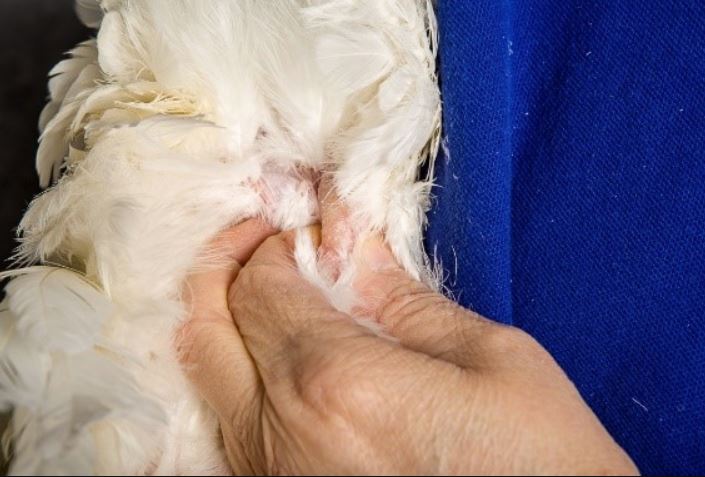
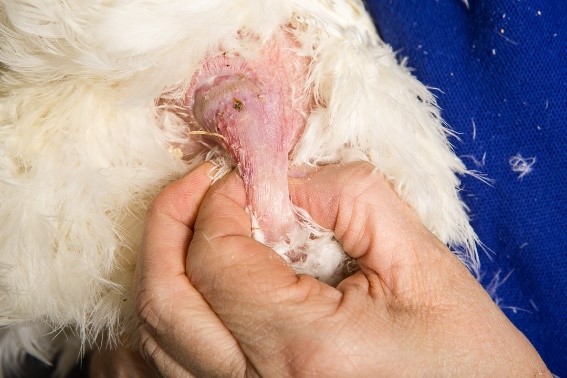
The technique involves measuring the abdominal fat pad in a random sample of 50 to 100 hens and recording data directly via Bluetooth to a mobile device. It is best to carry out routine monitoring and recording of the flock’s body condition over time, although ad hoc assessments can be performed whenever deemed necessary.
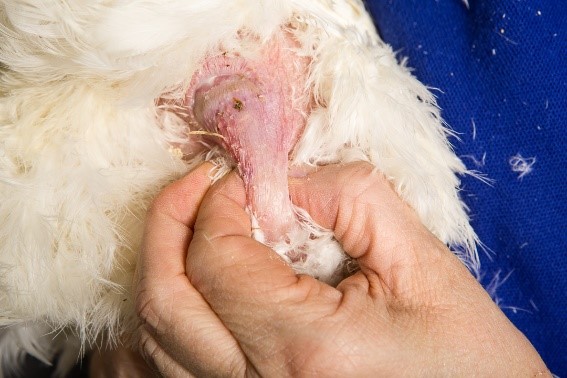
“Overdeveloped fat pads in laying hens are believed to be detrimental to long-term egg production and optimal liver function,” says Barnard. “Maintaining birds in good condition is crucial for the longevity of the laying curve.”

The monitoring data provides producers and nutritionists with immediate access to body composition assessments for their flocks. These results are evaluated and compared against the optimal body condition score range for the birds’ age.

Cargill has compiled a large database to calibrate body condition against productivity in relation to the age, breed and plumage colour of laying hens, using it to develop precise algorithms. This information enables corrective action to be taken when flock data deviate from expected benchmarks.
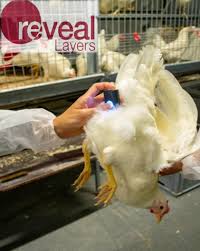
“We can use these benchmarks and flock data to suggest nutritional and management changes to support subsequent performance,” says Barnard. “These decisions are made in real time and help underpin the long-term performance of the flock, showing the condition of the birds and their potential performance, and providing information that was previously unobtainable.”
Laying hens with an optimal body condition score have been found to achieve an extended production cycle. By identifying this, the productive period of the hen can be prolonged and egg output increased, making longer flock lifespans viable; furthermore, body condition assessment can also identify any issues arising during the bird’s productive life.