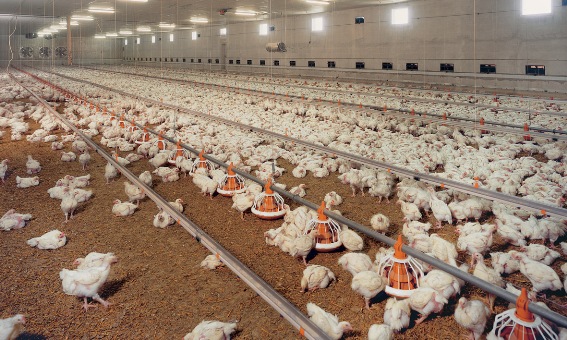

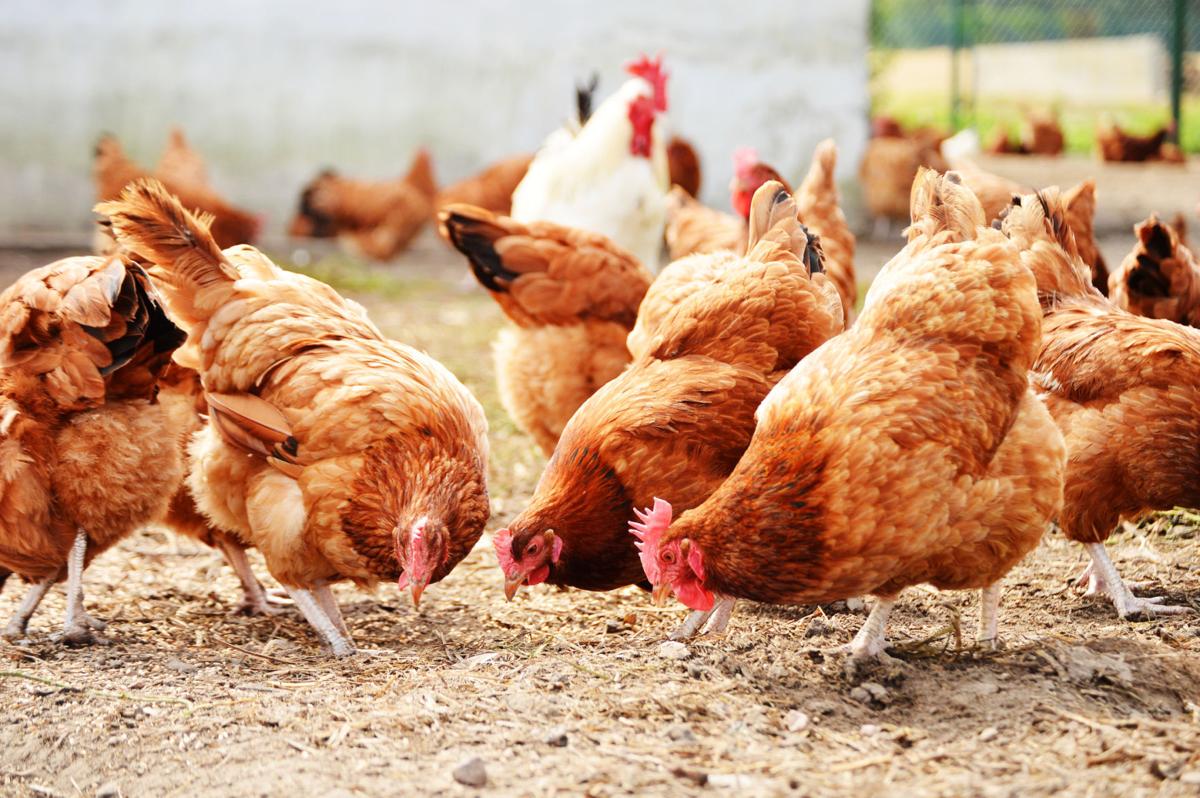
A recent study conducted by researchers at the University of North Carolina (USA) has found a significantly higher prevalence of Campylobacter in backyard poultry operations than in commercial poultry farms. The project was led by Jessica L. Parzygnat, Ph.D., from the College of Veterinary Medicine.
The findings follow those of a similar study, also led by Dr. Parzygnat, and contrast with the findings of another more recent study on Campylobacter. The research published in May 2024 focused on Salmonella rather than Campylobacter, and suggests that the former is more prevalent in commercial farms than in backyard operations.
Despite their previous findings on Salmonella, in the present study the researchers found a higher prevalence of Campylobacter in backyard samples (21.9%) compared to that found in commercial farms (12.2%).
Samples were collected from 10 backyard sites and 10 commercial broiler farms, and comprised samples of bird droppings, soil, litter, feeders, and water, taken at 10, 31, and 52 days of age of the birds.
The researchers characterised the majority of isolates from both farm types as C. jejuni (70.8%) and the remainder as C. coli (29.2%). A high proportion of isolates showed antimicrobial resistance (AMR) to critically important antimicrobials; specifically, 40.2% of isolates exhibited phenotypic resistance to ciprofloxacin and 46.6% to tetracycline.
A higher proportion of resistance was found in C. jejuni isolates and in isolates from commercial poultry farms. For example, among backyard isolates, 27.3% were resistant to ciprofloxacin and nalidixic acid, while 22.7% were resistant to tetracycline, whereas the levels observed in commercial farms were 63.2% and 89.5%, respectively.