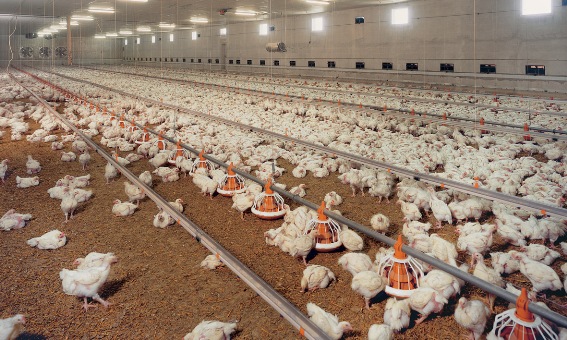

Prevention of highly pathogenic avian influenza (HPAI), commonly known as bird flu, is fundamental to protecting poultry populations and ensuring the health of the global egg supply. The most effective strategy for combating highly pathogenic avian influenza is to adopt strict biosecurity measures.
The following best prevention practices, focused on biosecurity, are outlined below:
1. Control access to poultry farms
– Restrict access to the premises to essential personnel only. Visitors, including service providers and delivery drivers, must follow strict hygiene protocols.
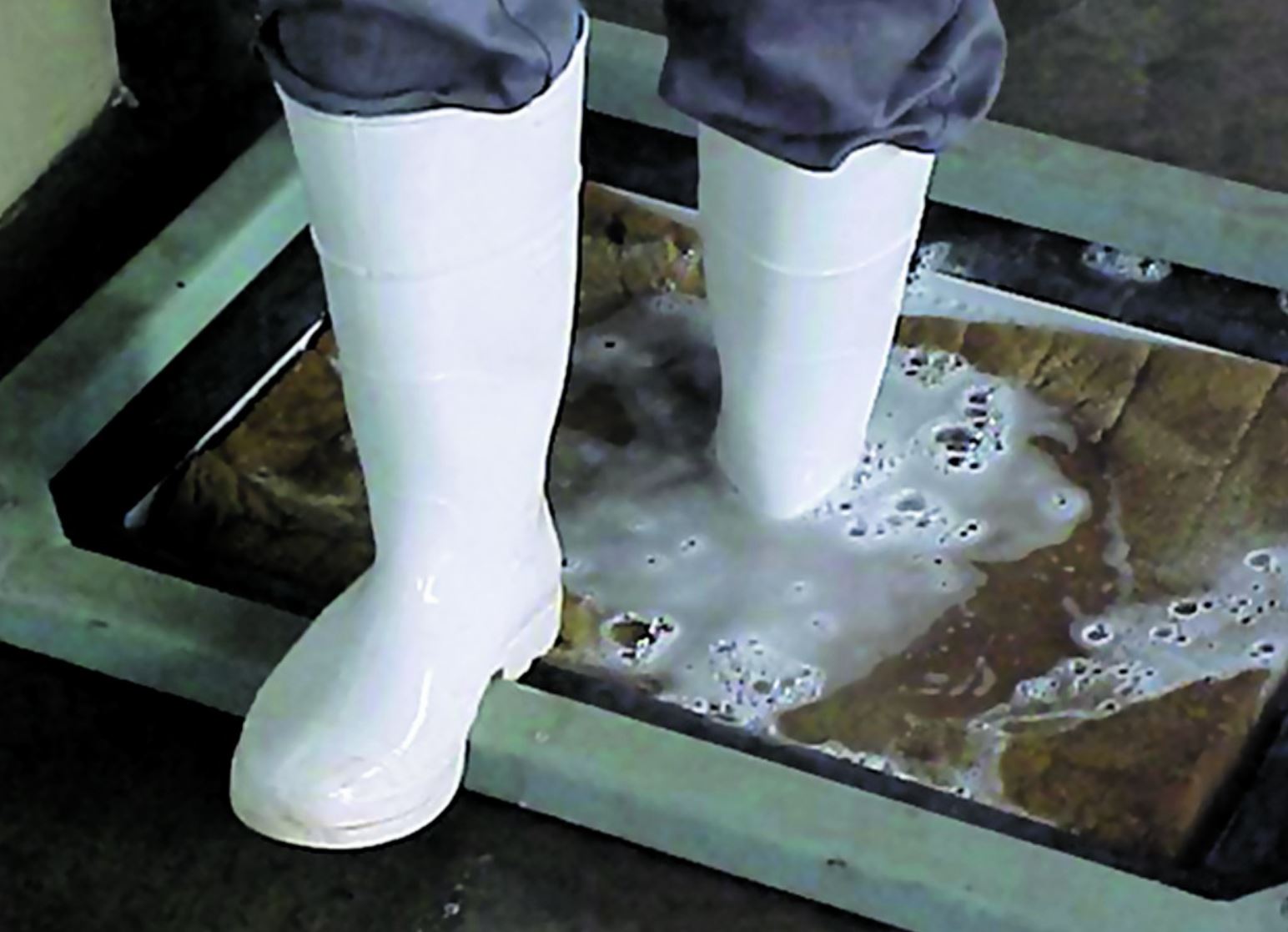
– Use disinfection stations at entry points and require all visitors to wear clean, disinfected boots, coveralls and gloves.
– Establish a footbath system with effective disinfectant at each entry point to sanitise footwear.
– Ensure that all vehicles entering the premises are thoroughly disinfected to prevent any possible introduction of the virus.
2. Segregate flocks
– Keep different types of poultry (e.g., layers, broilers and breeders) separate to prevent cross-contamination between species that may have different susceptibilities to HPAI.
– Prevent contact between commercial poultry and wild birds, which are the primary carriers of HPAI. Install protective netting or screens to keep wild birds away from flocks.
3. Monitor and control movements
– Track all movements of poultry, feed and equipment on and off the farm. Any new birds introduced to the farm must undergo a quarantine period to monitor for signs of disease.
– Use a closed housing system wherever possible, ensuring that poultry houses are well sealed to prevent exposure to wild birds or contaminated air.
4. Maintain good hygiene and sanitation
– Regularly clean and disinfect all poultry houses, equipment and vehicles used for poultry transport.
– Provide clean water and feed, keeping them covered and protected from contamination by wild birds or rodents.
– Properly dispose of manure and dead birds through incineration, composting or burial, ensuring that disposal sites are located away from the farm to avoid attracting wild birds or scavengers.
5. Apply strict personal hygiene protocols
– Farm staff must wear dedicated clothing and footwear used exclusively on site. After work, they should change clothes and wash thoroughly. Ensure that dedicated footwear is assigned to each poultry house.
– Ensure that workers disinfect their hands before and after handling poultry or entering poultry areas. Use hand sanitisers and gloves to prevent the spread of the virus.
6. Wild bird and pest control
– Wild birds, particularly migratory species, are known carriers of HPAI. Preventing wild birds from accessing the farm is essential. Install bird-proof netting and screens around poultry houses to reduce exposure.
– Develop an effective rodent and insect control programme to limit the presence of pests that may transmit the virus or compromise biosecurity.
7. Early detection and reporting
– Conduct regular health checks on poultry and ensure that workers are trained to recognise symptoms of HPAI, such as lethargy, respiratory distress, swelling and sudden death.
– Immediately report any signs of HPAI disease to your veterinarians or local agricultural authorities to prevent the virus from spreading further.
8. Training and communication
– Ensure that all farm staff receive comprehensive training on biosecurity measures and understand the importance of HPAI prevention. Regular updates on new procedures and threats should be shared.
– Communicate with neighbouring farms to ensure they are also practising good biosecurity. Collaboration can help protect entire regions from outbreaks.
9. Additional preventive measures:
– Vaccination programmes: Although biosecurity is the first line of defence, vaccination against HPAI can serve as a complementary measure in high-risk regions or during an outbreak (restricted to companies that permit HPAI vaccination).
– HPAI surveillance programmes: Participate in local or national surveillance efforts to achieve early detection of HPAI outbreaks. Routine testing of birds can help identify infection before it spreads widely.
In conclusion, biosecurity is the cornerstone of HPAI outbreak prevention. The virus is highly contagious, and even a minor lapse in biosecurity can have devastating consequences for a farm, a region or even an entire industry. Despite the most rigorous biosecurity measures, the possibility of an HPAI outbreak occurring on a farm remains, given the unpredictable nature of the virus and its diverse transmission routes. However, by adopting comprehensive strategies — such as controlling access, maintaining high hygiene standards and closely monitoring poultry health — farmers can considerably reduce the risk of an outbreak.
While no prevention plan is perfect, these practices ensure that livestock producers have taken all necessary steps to protect their flocks, their livelihoods and the wider community from the threat of highly pathogenic avian influenza.
Multi-age farms, where birds of different ages are housed on the same site, present unique biosecurity risks. Older birds may serve as reservoirs for pathogens that, although they do not affect them, can infect younger and more vulnerable birds. This mixing of ages increases the chances of disease spread, as younger birds are generally more susceptible to infection. To mitigate these risks, multi-age farms must implement even stricter biosecurity protocols, including age group segregation and enhanced cleaning and disinfection.
Source: LAYER VISION No. 31 [HENDRIX GENETICS]