
Non-typhoidal Salmonella (NTS) is one of the leading causes of foodborne illness worldwide. Its presence in poultry meat poses a significant public health risk, particularly when meat is not handled or cooked properly. The prevalence of NTS-Salmonella in poultry meat is of particular concern given the growing demand for chicken meat, which underscores the need for effective control at all stages of production.
In a comprehensive 144-page report, FAO and WHO emphasise that no single measure is completely effective in reducing the prevalence of NTS-Salmonella. Instead, an approach based on multiple interventions (the “multi-hurdle” approach) is recommended, combining biosecurity measures, vaccination, alternative antimicrobial treatments, processing controls and good hygiene practices.
On-Farm Control
1. Biosecurity and Management
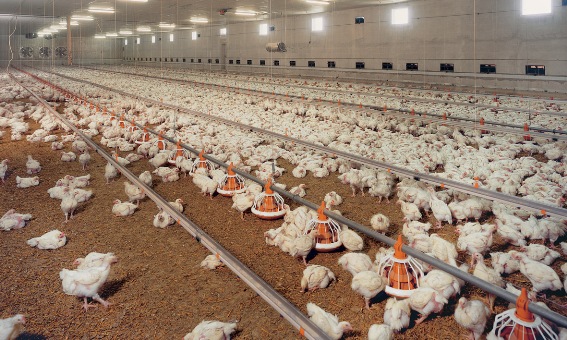
Strict biosecurity measures on farm are essential to prevent the introduction and spread of NTS-Salmonella in flocks. These measures include cleaning and disinfection of facilities, restriction of access by non-essential personnel and animals, and adequate pest control (rodents, wild birds and insects). The use of dedicated clothing for entering and leaving the premises, and the provision of shower facilities for personnel, are recommended measures in breeding establishments.
The report highlights the importance of maintaining breeder flocks free from NTS-Salmonella, as infection can be transmitted vertically from breeder birds to their progeny.
2. Vaccination
Vaccination strategies have proven effective in reducing the prevalence and shedding levels of NTS-Salmonella in poultry, although they do not completely eliminate the pathogen. Available vaccines are generally targeted at serovars Enteritidis and Typhimurium, and their use is more common in breeders than in broilers, owing to the short production cycle of the latter. Live attenuated vaccines may offer some cross-protection against other serovars, but further studies are needed to confirm their effectiveness in different settings.
3. Feed Additives and Microbiome Management
The use of certain feed additives, such as short- and medium-chain fatty acids, has been shown to reduce NTS-Salmonella colonisation in poultry. Furthermore, manipulation of the microbiome through probiotics and prebiotics could be an effective tool for reducing the presence of the pathogen in the intestinal tract of chickens. However, the evidence remains limited and further studies under commercial conditions are required.
Control during Processing
1. Good Hygiene Practices (GHP)
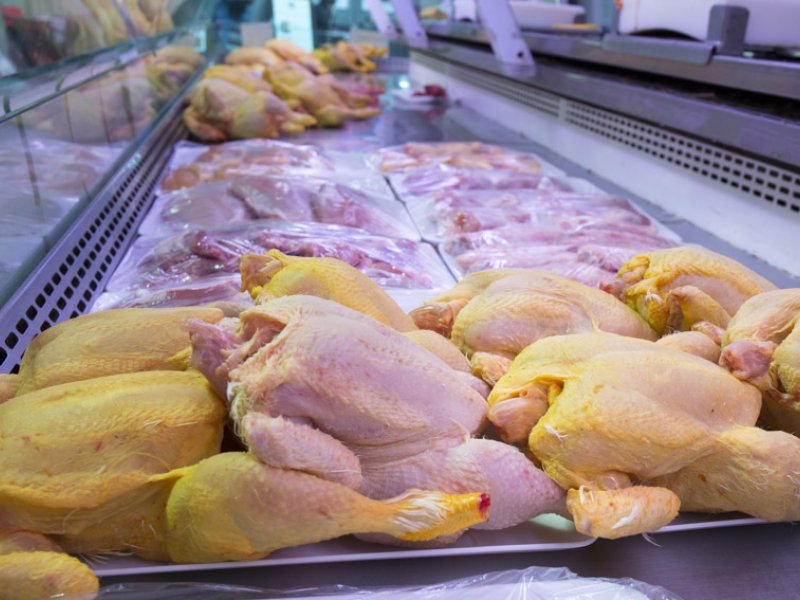
GHP are fundamental to minimising NTS-Salmonella contamination during poultry slaughter and processing. This includes adequate cleaning of facilities and equipment, process flow design to prevent cross-contamination, and maintenance of the cold chain.
2. Physical and Chemical Interventions
Physical interventions, such as freezing and irradiation, have been shown to be effective in reducing bacterial loads in poultry meat. The application of organic acid treatments (such as lactic acid and peracetic acid) during scalding or carcass washing can also significantly reduce Salmonella presence. The combination of different interventions, depending on processing conditions, is generally the most effective strategy.
3. Use of Bacteriophages
The use of bacteriophages — viruses that infect and destroy specific bacteria — is emerging as a promising strategy for the control of NTS-Salmonella. However, their effectiveness may vary depending on the serovar and the environment in which they are applied, and further research is needed to determine their applicability at commercial scale.
Interventions at the Point of Final Consumption
At the final stage, proper handling of poultry meat by consumers is crucial to reducing the risk of infection. Recommendations include:
- Thorough Cooking: Cook meat to an internal temperature of at least 75°C to ensure the elimination of Salmonella.
- Kitchen Hygiene: Prevent cross-contamination through adequate cleaning of utensils and surfaces that have been in contact with raw meat.
Conclusions and Recommendations
The control of NTS-Salmonella in poultry meat production requires a comprehensive approach combining multiple interventions throughout the entire production chain. There is no single definitive solution; it is therefore essential to implement biosecurity measures on farm, apply good practices during processing, and educate consumers on safe food handling.
For farmers and veterinarians, the following are recommended:
- Strengthen biosecurity measures: Ensure access control and facility hygiene, and implement monitoring programmes to detect Salmonella in breeder flocks.
- Vaccination and Use of Probiotics: Evaluate the use of vaccines and feed additives to reduce the prevalence of Salmonella in poultry.
- Collaborate with Processors: Work together with processing plants to implement interventions that reduce contamination during slaughter and processing.
- Consumer Education: Inform consumers about the importance of thoroughly cooking meat and maintaining good hygiene practices in the kitchen.
Future Research
The report also highlights the need for further research to improve the control of NTS-Salmonella. Areas such as the development of new vaccines, the evaluation of bacteriophage effectiveness, and the study of the intestinal microbiome of poultry could offer innovative solutions for reducing the prevalence of this pathogen in poultry production.
In summary, the control of Salmonella in poultry meat is a complex challenge requiring collaboration from all actors in the production chain, from the farmer to the end consumer. The application of a comprehensive approach and the use of multiple control strategies are fundamental to ensuring food safety and reducing the risk of foodborne illness.
For further information:
-. FAO/WHO: Measures for the control of non-typhoidal Salmonella spp. in poultry meat (PDF, 144 pages)