
THE SPANISH EGG: RECORD REVENUE AND CONSUMPTION IN 2023
• The egg sector reached a turnover of €2,278 million in 2023, 30% more than in 2022, already accounting for 8.2% of the total value of livestock production and 3.5% of agricultural output
• In 2023, Spanish production totalled 1,164 million dozens, representing 13.5% of total European Union egg production. Spain is the EU’s third largest egg producer
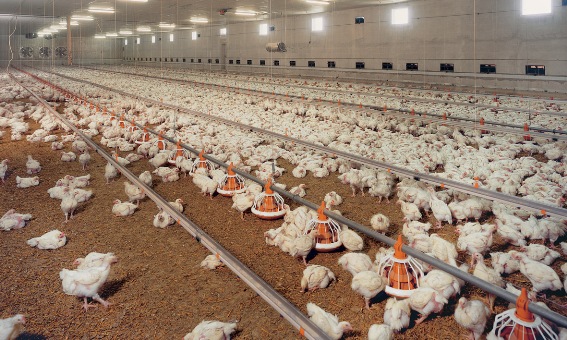
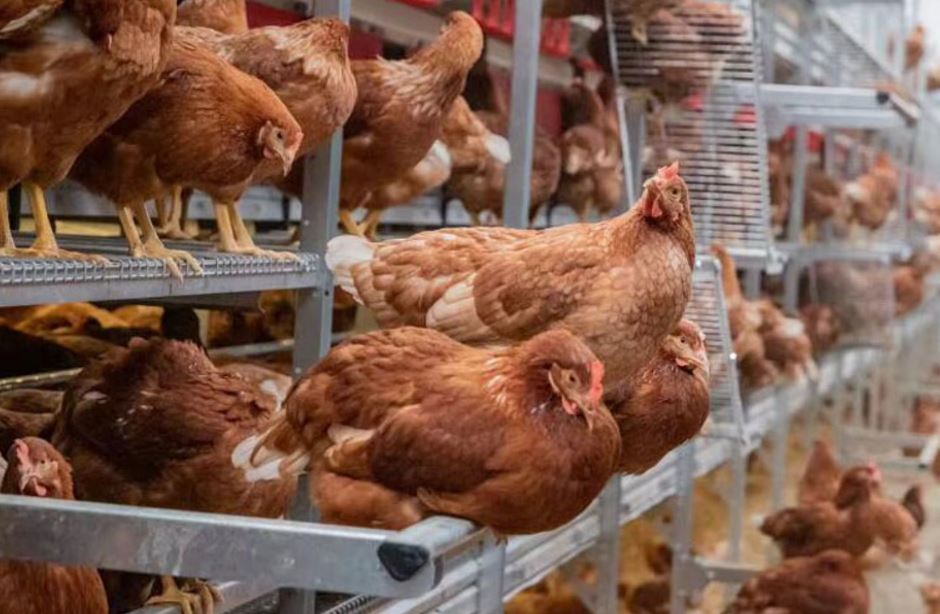
• 1 in every 3 laying hens is reared in alternative systems. The percentage of hens housed in cage-free systems has almost tripled over the past 6 years, reaching the current figure of 33%
• Castilla-La Mancha (266 million dozens) leads the egg production ranking in Spain, followed by Aragón (202 million) and Castilla y León (198 million)
• As in 2022, eggs are withstanding the decline in food consumption and are the food item in Spanish households’ shopping baskets showing the greatest volume growth, at 8.7% in 2023
• Residents of Cantabria (178 eggs per year), Navarra (176) and the Basque Country (169) lead egg consumption in 2023. Extremadura (104), the Balearic Islands (122) and Murcia (123) bring up the rear
• Each Spaniard consumed an average of 133 eggs per year at home, almost 3 eggs per week, and spent an average of €28 per person on purchasing this food
• Under the #Saludoble slogan, INPROVO continues to promote egg consumption in Spain with campaigns highlighting its nutritional value and benefits for people’s physical and cognitive health
The Spanish egg sector generated a turnover of €2,278 million in 2023, 30% more than in 2022, according to data from the report “The Laying Poultry Sector in Figures”, published by the Ministry of Agriculture, Fisheries and Food. The year 2023 thus closes with record revenue and consumption, already representing 8.2% of the total value of livestock production and 3.5% of agricultural output.
In 2023, Spanish farms produced 1,164 million dozens of eggs, 2.2% more than in 2022. Spain strengthens its position as the third most important egg-producing country in the European Union, with 13.5% of total production, behind France (14.4%) and Germany (14.1%), and ahead of Italy (11.8%), Poland (8.2%) and the Netherlands (7.7%).
The total number of farms dedicated to laying poultry production in Spain rose to 1,809, an increase of 9.4% on the previous year, and the laying hen flock stood at 47.7 million birds, also representing a 1.7% increase over the past year.

The percentage of hens housed in alternative systems triples in 6 years
As observed in recent years, the flock of hens housed in cage-free production systems continued to grow in 2023, with 1 in every 3 laying hens in alternative systems (33%), compared to 67% housed in enriched cages. This percentage has almost tripled over the past 6 years, rising from 12.2% in 2017 to the current 33%.
Within alternative systems, barn-housed hens (code 2) account for 22% of the total flock (2% more than in 2022), followed by free-range at 10% and organic at 1%, both maintaining the same percentages as the previous year.
Castilla-La Mancha, Aragón and Castilla y León: the largest egg producers
Castilla-La Mancha, with 266 million dozens, remains the leading egg-producing region in Spain with a growth of 2.2% in the past year, followed by Aragón with 202 million dozens produced (+4.4%) and Castilla y León with 198 million dozens (+2.5%).
At the opposite end are Cantabria (2 million dozens), La Rioja (3.4 million dozens) and Asturias (3.6 million dozens). Production in Cantabria and Asturias grew by 28.8% and 25.5% respectively, making them the regions with the greatest increase in the past year, alongside the Balearic Islands (+33.7%).

Eggs are trending: the food item showing the greatest purchase volume growth in 2023
Regarding consumption, eggs are the food item in Spanish households’ shopping baskets that saw the greatest volume growth in 2023. For the second consecutive year, domestic egg consumption has resisted the decline in food consumption (-1.5%), showing a growth of 8.7%.
In 2023, Spanish households consumed a total of 407 million kilograms of eggs, representing a per capita consumption of 8.68 kg per person, equivalent to more than 137 eggs per person per year (an average of almost 3 per week), with an average spend of €28 per person on egg purchases.

Comparative summary of the egg sector in Spain: 2023 versus 2022
The laying poultry sector in Spain showed notable differences between 2022 and 2023, marked by growth trends, changes in production systems and significant variations in trade and prices. The most relevant aspects are detailed below.
Total egg production
In 2023, egg production reached 1,164,287 thousand dozens, an increase of 2.2% compared to the 1,141,660 thousand dozens recorded in 2022. This growth was driven primarily by the expansion of the laying hen flock and greater efficiency in production systems. Spain continued to consolidate its position as the third largest egg producer in the European Union, contributing 14% of total EU production.
Laying hen flock
The laying hen flock grew by 1.7% in 2023, reaching 47.704 million, compared to 47.317 million in 2022, which reflected a more moderate increase of 0.53%. This growth responds to the greater adoption of alternative rearing systems, aligned with market demands and animal welfare regulations. In 2023, 32.8% of hens were housed in alternative systems (barn, free-range or organic), exceeding the 31.36% of the previous year.
Production systems
Among alternative systems, “barn-housed hens” experienced notable growth of 15.3% in 2023, while free-range and organic systems saw slight declines of 2.8% and 1.5% respectively. On the other hand, cage systems continued to lose relevance, recording a 1.4% decrease in their use.
All-time record egg prices
The average egg price experienced a dramatic increase in 2023, reaching €215.99/100 kg, representing a 40% rise compared to €153.64/100 kg in 2022. This growth was driven by persistent inflation and high domestic demand. In particular, this factor allowed producers to partially offset high input costs.
Foreign trade
The sector’s foreign trade showed less favourable dynamics. Exports declined by 11% in 2023, following a 9.6% fall in 2022. The main reasons were less competitive prices in the international market and an increase in domestic consumption. As for imports, these fell by 6% in 2023, adding to the 4% decline of the previous year.
Household consumption
A positive aspect was the increase in household egg consumption, which grew by 8.7% in 2023, reversing the 7.25% decline recorded in 2022. This behaviour reflects greater consumer interest in this food, particularly in contexts of economic uncertainty, where eggs represent an affordable source of protein.

In 2023, domestic demand has consolidated, but the transition to cage-free housing still has a long way to go
The year 2023 marked a turning point for the laying poultry sector in Spain. Despite challenges in foreign trade, the sector managed to strengthen itself thanks to increased production, the transition towards alternative rearing systems and the rise in domestic consumption. These factors, together with improved prices, point towards a path of sustainability and growth, although it will be essential to continue investing in innovation and adaptation to market demands in order to maintain this positive trend.

| Indicators | 2022 | 2023 |
|---|---|---|
| Total egg production (in millions of dozens) | 1,141 M dozens | 1,164 M dozens |
| Laying hens (thousands) | 47,317,356 | 47,704,960 |
| Number of egg production farms in Spain | 1,654 | 1,809 (9% more) |
| Flock increase (%) | +0.53% | +1.7% |
| Percentage in alternative systems (%) | 31.36 | 32.8 |
| Average price per 100 kg (€) | 153.64 | 215.99 |
| Change in export volume (%) | -9.6% | -11% |
| Change in import volume (%) | -4% | -6% |
| Change in household consumption (%) | -7.25% | +8.7% |

For further information:
-. Download full report (57 pages): THE LAYING POULTRY SECTOR IN SPAIN IN 2023: KEY FIGURES AND ECONOMIC INDICATORS. Annual summary published in July 2024
-. Download full report (93 pages): THE LAYING POULTRY SECTOR IN SPAIN IN 2022: KEY FIGURES AND ECONOMIC INDICATORS (93 pages). Annual summary published in July 2023
-. INPROVO, the Egg Interbranch Organisation in Spain