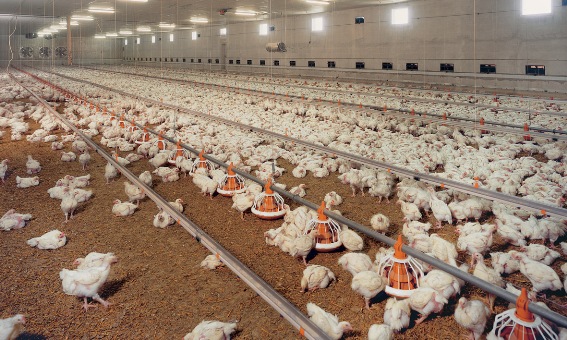

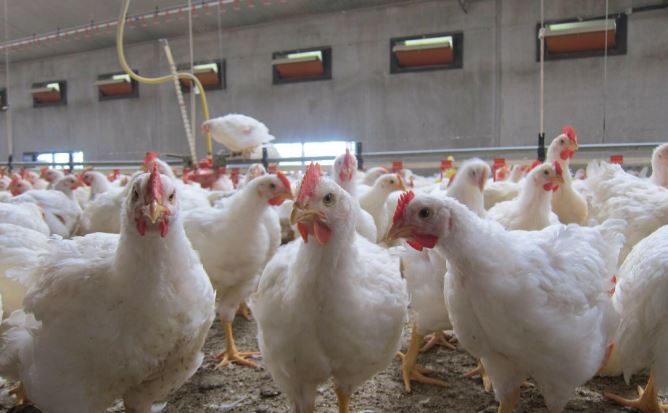
FAO and WHO published in 2024 a Practical Guide for controlling Campylobacter in broiler rearing and in poultry meat. This document was developed from the latest Joint FAO/WHO Expert Meeting on Microbiological Risk Assessment (JEMRA) of the Food and Agriculture Organization of the United Nations (FAO) and the World Health Organization (WHO), in which the most recent literature on the control of Campylobacter species C. jejuni and C. coli in broiler production and in the meat thereof was reviewed, and whose conclusions have now been published.
The expert committee reviewed available data on Campylobacter control, including scientific literature published from 2008 through October 2022 and data submitted in response to a call for information for this meeting.
The experts
1) determined the quality and quantity of evidence for Campylobacter control measures,
2) assessed the impact of measures to control Campylobacter throughout the broiler production chain,
3) determined which hazard-based interventions were specific to Campylobacter and which were general for the control of foodborne pathogens in the pre- and post-harvest broiler production chain, and
4) reviewed and recommended revisions to the Guidelines for the Control of Campylobacter and Salmonella in Chicken Meat.
This report describes the outcomes of that meeting, and the guidance provided is useful for poultry farmers, integrators, distribution points, and any stakeholder regardless of the country in which they operate.
Control of Campylobacter begins with the day-old chick on the farm and ends at the time of cooking
The assessment of control measures begins at the point of chick placement on the farm, as there is currently no evidence that breeder flocks or hatcheries contribute to the colonisation of chickens. The available literature on interventions is based primarily on laboratory studies, with few applications at commercial scale, which limits the conclusions that can be drawn. The available evidence for Campylobacter reduction focuses mainly on C. jejuni and C. coli.
Although no interventions have been specifically designed for the control of Campylobacter in meat, interventions targeting foodborne pathogens—such as irradiation or thorough cooking—are effective in eliminating it, as are good hygiene practices.
Interventions during broiler grow-out
Several farm-level interventions were also identified that can help control Campylobacter in flocks, such as:
-. strict biosecurity measures (hygiene and sanitation),
-. depopulation or thinning,
-. litter management,
-. downtime duration between flocks,
-. proximity to other animals, and
-. age at slaughter.
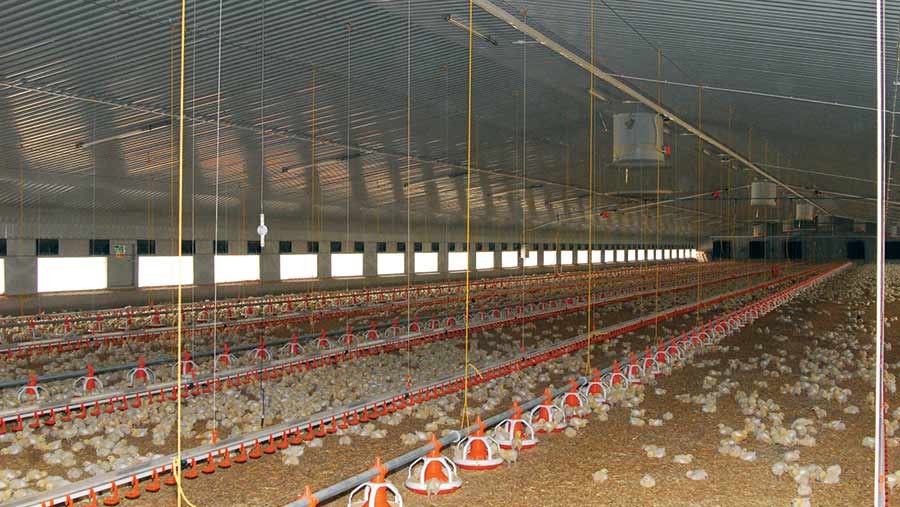
Vaccination is also relevant, although no commercial vaccines against Campylobacter currently exist at any stage of production; however, some are under investigation. In addition, certain feed additives have shown promise in reducing Campylobacter in caecal/faecal samples at the end of production, particularly short- and medium-chain fatty acids such as caprylic acid.
Interventions during processing
During processing, the efficacy of interventions depends on the prevalence in the incoming flock and the concentration of Campylobacter in the gastrointestinal tract and on the bird, although good hygiene practices are paramount. The impact of processing can be improved through a multiple-intervention approach, with physical and/or chemical interventions to reduce Campylobacter presence and cross-contamination during scalding and chilling, as both defeathering and evisceration can increase the prevalence of the bacterium on carcasses.

Effective physical interventions during processing identified by JEMRA include irradiation and freezing. Steam, ultrasonication, high-intensity pulsed light, visible light, ultraviolet-C (UV-C) light, and other technologies have shown promise at both laboratory and pilot scale, but their impact at commercial scale remains unknown. Regarding chemical interventions, processing aids such as chlorine-based compounds, peroxyacetic acids, and organic acids in water used for washing and/or immersing carcasses can reduce Campylobacter.
Interventions at home or in the restaurant when preparing the meat
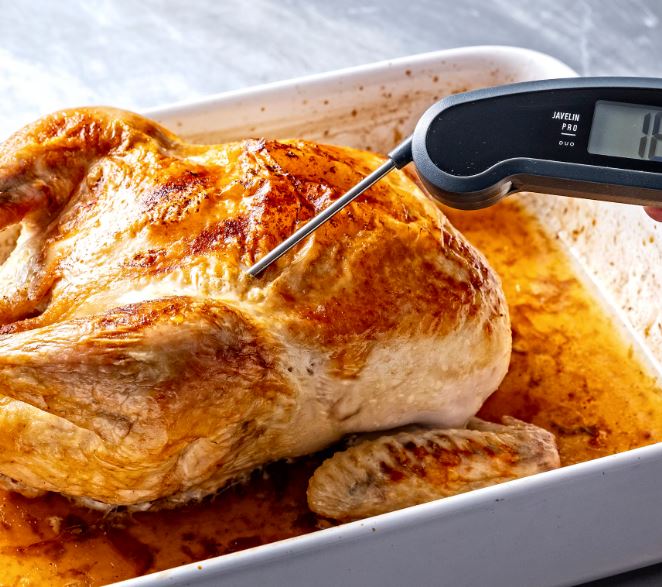
Finally, post-processing interventions for the control of Campylobacter in meat were assessed, with thorough cooking, good hygiene practices, freezing, and the use of certain ingredients highlighted as effective strategies.
Future lines of research
Despite advances in the understanding and control of Campylobacter, knowledge gaps still exist, particularly regarding the commercial applicability of certain technologies and the effectiveness of some feed additives. FAO and WHO have issued a call for continued research to develop new tools and strategies that allow more effective control of this pathogen throughout the entire poultry production chain.
Future research could focus on:
-. Vaccine Development: Research into vaccines against Campylobacter could offer a highly impactful preventive solution.
-. Evaluation of New Technologies: Emerging technologies such as ultraviolet light, cold plasma, and chemical treatments must be evaluated to determine their feasibility under commercial conditions.
For further information:
-. FAO / WHO: Measures for the control of Campylobacter spp. in chicken meat
-. Campylobacter at NeXusAvicultura.Com