
Newcastle disease outbreak contained in inland Valencia
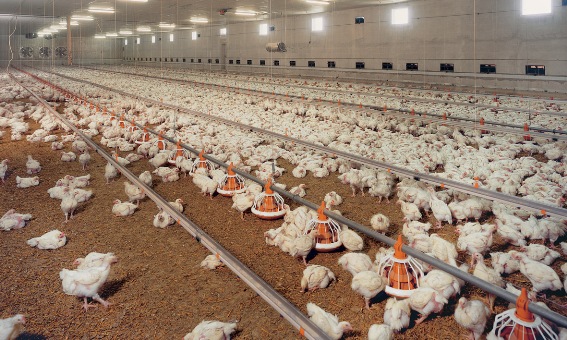
The Conselleria de Agricultura, Agua, Ganadería y Pesca of the Generalitat Valenciana has urgently activated a sanitary protocol following the detection of a Newcastle disease outbreak on a 15,000-bird broiler farm in Llutxent, in the inland area of the province of Valencia. The alert was triggered on 23 December 2025, with containment measures implemented in under 24 hours to protect the livestock sector. The outbreak was confirmed by the National Reference Laboratory in Algete on Monday, 29 December.
“The response was deployed immediately, in under 24 hours.”
Current situation and new suspected cases
Following the initial outbreak, on 26 December two further suspected cases were detected within the restricted zone, located three and seven kilometres from the first farm. In response, the authorities have reinforced surveillance and movement restrictions within a ten-kilometre radius to prevent the spread of the virus. It is important to emphasise that this disease primarily affects birds and poses no risk to human health. The Conselleria has stressed that the consumption of cooked poultry meat, eggs or derived products is entirely safe, as official controls and food chain hygiene guarantee consumer protection.

The Valencia Official Veterinary Services (SVO) immediately adopted the following measures, as established in Commission Delegated Regulation (EU) 2020/687:
-. Establishment of a restricted zone (RZ) around the outbreaks: a 3 km protection zone and a 10 km surveillance zone. Within the 3 km zone, in addition to the index farm, there are 2 active commercial holdings, and a further 38 within the 10 km zone. Within the 10 km RZ, there are two further suspected holdings that shared epidemiological links with the index case; both holdings have been visited and, where necessary, official samples will be submitted for confirmation to the NRL in Algete.
-. Immediate standstill of the affected holdings from the time of suspicion.
-. Conduct of an epidemiological investigation to determine the possible source of the outbreaks and holdings at risk due to movements of people and vehicles.
-. Depopulation of the entire flock on the affected holdings and destruction of carcasses, feed and other fomites capable of transmitting the virus, at an authorised processing plant.
“The priority is to keep the episode under control, protect the sector and guarantee safety.”
Hypotheses on the origin and support for the sector
Preliminary technical investigations suggest that the virus may have been introduced via migratory wild birds, a common hypothesis in this type of epidemiological event. To mitigate the economic impact, the Generalitat has announced that it will cover sanitary management and disinfection costs, in addition to maintaining the active compensation scheme for culled animals with support from European and national funds.
“The Generalitat maintains the compensation procedure for dead or culled animals.”
No cases had been recorded in Spain since 2022
This is the first outbreak of Newcastle disease in poultry in Spain since June 2022, in Almería, where a farm of 10,000 broilers aged 42 days tested positive, along with two other farms. When that 2022 outbreak occurred, Spain had gone nearly 13 years without a single case, as the penultimate case was in November 2009, when it was detected on a game bird farm in the province of Guipúzcoa.
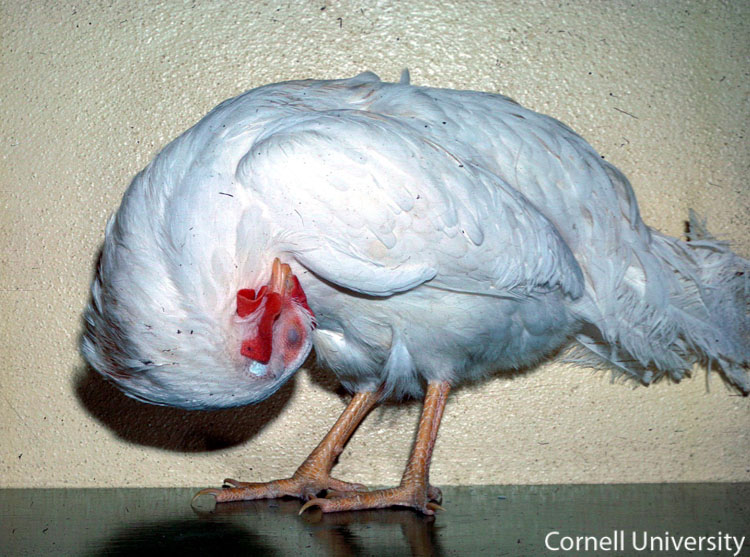
Newcastle disease is a viral infection that is relatively common in poultry flocks worldwide. It affects birds exclusively and is transmitted primarily through contact between infected animals. It poses no risk to human health from a food safety perspective.
Prevention and control rely on maintaining vigilance with respect to sanitary prophylaxis measures, in particular the use of Newcastle vaccines, as well as strengthening biosecurity measures on poultry holdings — especially those aimed at preventing contact with wild birds — reinforcing passive surveillance on both poultry holdings and in wild bird populations, and reporting any suspicion of disease to the official veterinary services.
For further information:
-. Newcastle Disease fact sheet (MAPA)
-. Official MAPA Notice of 29 December 2025
-. National Newcastle Surveillance Programme 2025.
Want to stay one step ahead in poultry production?
Subscribe free to our eNewsletter and receive a weekly selection
of the best information to anticipate trends, stay up to date and develop as a poultry industry professional.
NeXusAvicultura: Vision, Insight, Quality and Context.