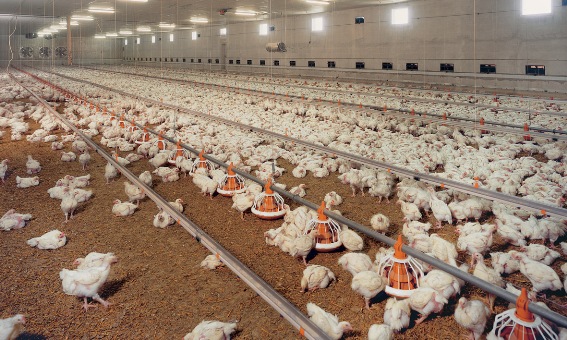

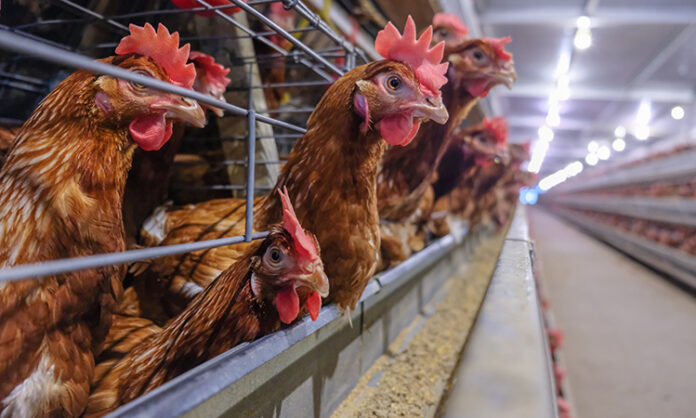
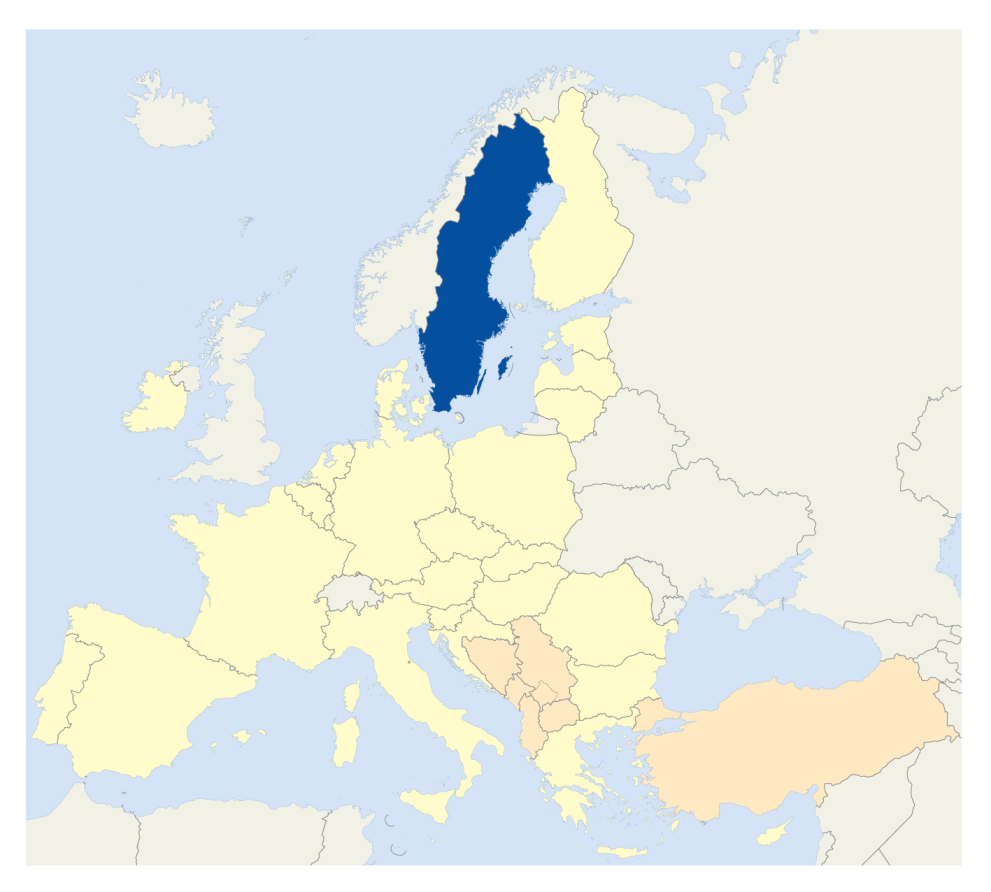
Sweden has become the first country in the world to achieve 100% cage-free egg production, without the need for a comprehensive legal ban, thanks to a transition driven by market forces, private sector commitment and strong pressure from animal welfare organisations such as Project1882.
A decades-long transition driven by consensus
This structural shift in the laying hen sector dates back to 1988, when the Swedish Parliament approved the gradual phase-out of conventional cages, whilst permitting the use of enriched cages for several years. However, as early as 2004 the progressive withdrawal of all cage systems began, with a strategy based not on subsidies or punitive mandates, but on business decisions aligned with growing social demand for animal welfare.
The turning point came with pressure from the animal welfare organisation Project 1882 on major retail chains, and from those chains on their domestic egg suppliers, achieving through this sustained “marking” approach that in little over a decade more than 85 key players in the Swedish agri-food sector had no choice but to commit: from supermarket chains such as ICA, Coop, Lidl, Willys and City Gross, to wholesalers such as Martin & Servera and contract catering operators.
Today, 100% of laying hens are housed in alternative systems
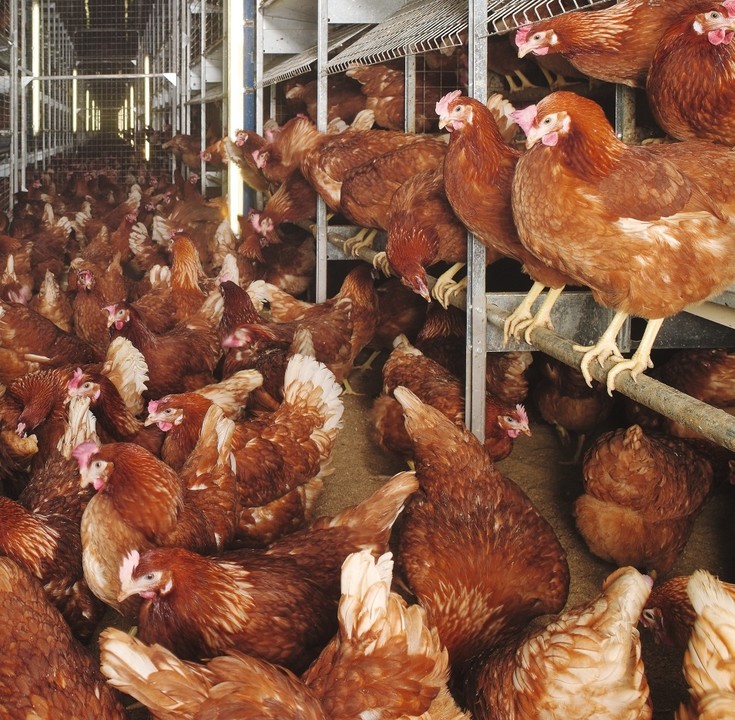
According to updated data from veterinary and producer associations, all Swedish laying hens are currently housed in cage-free systems: aviaries, floor systems or free-range. The last cage farm ceased production in 2024, marking the end of an unprecedented cycle in Europe.
This change has been made possible, among other factors, by:
- A high level of self-sufficiency in egg production (97.5%), which allowed the market to be shielded from international fluctuations.
- Planned infrastructure renewal, in which many farms chose not to reinvest in enriched cages as their facilities aged.
- Clear and sustained social demand for cage-free eggs, supported by effective animal welfare awareness campaigns.
No public subsidies, but with commercial vision
Unlike other European countries, Sweden has required no state subsidies for this transition. Consumer pressure and retailer cooperation have ensured the change was profitable and sustainable, even while absorbing the higher structural and health-related costs of alternative housing systems.
A model for other countries?
Sweden’s success strengthens the position of the animal welfare movement “End the Cage Age” before European legislators, as it seeks a total legal ban across Europe on any type of cage, including current enriched cages. Furthermore, animal welfare movements in Sweden wish to take things a step further and advance into a new phase: the purported improvement of broiler welfare, including commitment to the “European Chicken Commitment“ (ECC), with the substantial reduction in stocking densities and the reduction in the use of fast-growing breeds that the ECC would entail.
Lessons we can draw from the Swedish case
Setting aside ethical or animal welfare considerations, from a practical standpoint the Swedish case offers several key lessons for all poultry industry professionals.
- Voluntary transition to cage-free systems is feasible, provided it is based on a strategy of sector-wide collaboration, financial planning and alignment with consumer expectations.
- The moment of infrastructure renewal is an opportunity, not a burden: it can serve as a starting point for switching to more sustainable, socially accepted systems.
- Animal welfare is no longer optional, but a competitive requirement in mature and demanding markets.
- Investment in transparency and communication, particularly towards the end consumer, has been crucial in sustaining prices and securing brand loyalty.
Sweden has demonstrated that a country can achieve 100% cage-free production without legislative mandates, provided there is a committed business ecosystem, active social demand (willing to pay a higher price for eggs), sufficient lead time and a well-defined sectoral strategy.
To find out more: