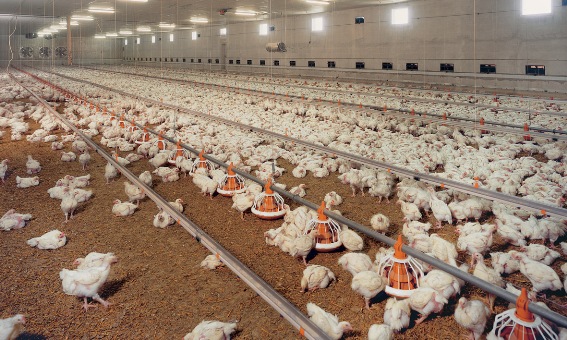


The Government activates the protocol in municipalities adjacent to migratory bird areas
The Ministry of Agriculture, Fisheries and Food updated on 7 April 2025 in the Official State Gazette the list of municipalities designated as special risk zones for avian influenza (AI). In this latest revision, eleven localities in the province of Castellón have been included owing to their proximity to natural areas frequented by migratory birds, such as the Marjal de Almenara and the Prat de Cabanes — wetland enclaves that could act as introduction points for the virus.
The new order amends Order APA/2442/2006, introducing three major changes:
- the official list of wetlands is updated (Annex I),
- the number of municipalities classified as “special risk zones” is expanded (Annex II), and
- the Director General of Agri-food Production Health and Animal Welfare is empowered to amend these annexes by direct resolution, without the need to process a new ministerial order.

This administrative flexibility will enable a more agile response to new scientific evidence, particularly that relating to migratory routes and concentrations of wild birds. “The dynamic nature of avian populations and their relationship with the spread of influenza viruses demands regulatory tools that are both up to date and flexible,” Ministry sources have emphasised.
New data on migratory routes trigger the alert
The decision was taken following the acquisition of new information on wild bird concentrations and their migratory routes, which led the Ministry to extend the areas under surveillance across various parts of Spanish territory. In the case of Castellón, the municipalities affected by this measure are: Alcalà de Xivert, Almenara, Benlloch, Cabanes, Xilxes, les Coves de Vinromà, la Llosa, Moncofa, Oropesa, la Vall d’Uixó and Vilanova d’Alcolea.
Although no current case of avian influenza in Spain has been recorded in 2025, the authorities have issued the order on a strictly preventive basis to prevent the virus from reaching the poultry holdings in these localities, given that its spread is associated with migratory birds, which may carry the disease during their movements.
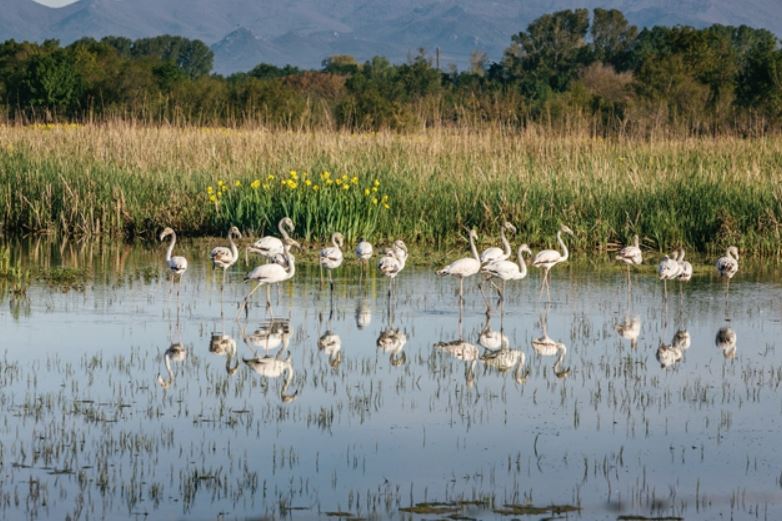
Among the wetlands updated in Annex I are the Doñana National Park (Huelva), the Cádiz Bay Natural Park (Cádiz), the Odiel Marshes (Huelva), the Laguna de Fuentedepiedra (Málaga and Seville), the Gallocanta Lagoon (Teruel), the Villafáfila Lagoons Nature Reserve (Zamora), the Ebro Delta (Tarragona), the Albufera de Valencia (Valencia), the Santoña and Noja Marshes Nature Reserve (Cantabria), and the Mar Menor (Murcia), among many others distributed across the Spanish territory.
More precise surveillance
Order APA/331/2025 includes a comprehensive list of wetlands across all autonomous communities, from Doñana to the Ebro Delta, encompassing reservoirs, rice paddies, marshes and lagoons. This update is based on recent information on wild bird concentrations, many of which serve as natural reservoirs of the virus.
Among the natural areas added or redefined, particular mention should be made of the Isla Cristina marshes (Huelva), the rice paddies of Palazuelos and Guadalperales (Extremadura), and the Aiguamolls del Empordà (Girona), all of which are classified as sensitive environments in the event of a possible virus incursion.
Municipalities under enhanced alert
In parallel, Annex II has been amended with a revised list of municipalities classified as special risk zones. The list now includes hundreds of localities spread across the entire national territory, from Andalusia and Aragon to Galicia, Castilla-La Mancha, the Valencian Community, the Balearic Islands and Murcia.
This designation entails the obligation to implement enhanced biosecurity measures at poultry holdings located within these zones, particularly with regard to:
- Recording movements of animals and personnel.
- Restrictions on free-range poultry rearing.
- Strict access control to farms.
- Disinfection of vehicles and equipment.
- Prohibition on the use of untreated surface water sources for water supply.

Castellón under special surveillance owing to its wealth of wetlands
In Castellón, the aforementioned sites are areas that offer optimal conditions for the presence of migratory birds, making the surrounding municipalities sensitive points for the possible introduction of the virus. These natural environments function as resting and feeding sites for migratory birds, increasing the risk of transmission to poultry.
Poultry holdings located in these municipalities adjacent to lagoons used by migratory birds will be subject to enhanced surveillance by the veterinary services. Contact between domestic and wild birds will be monitored with particular attention, and biosecurity measures on farms will be intensified.
In total, 128 municipalities in the Valencian Community appear on the national risk zone list published by the Ministry of Agriculture, positioning the region as one of the most affected by this preventive update to the regulations.
For further information:
-. Order APA/331/2025, of 2 April 2025, amending Order APA/2442/2006, of 27 July, establishing specific protective measures in relation to avian influenza.