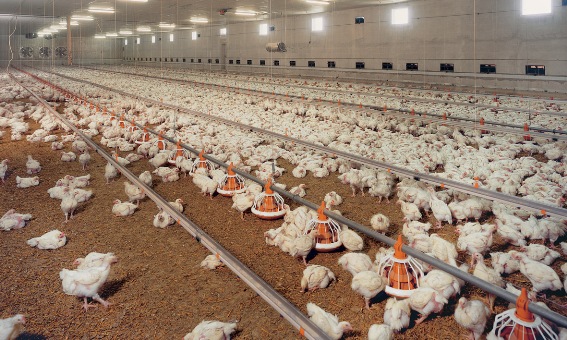

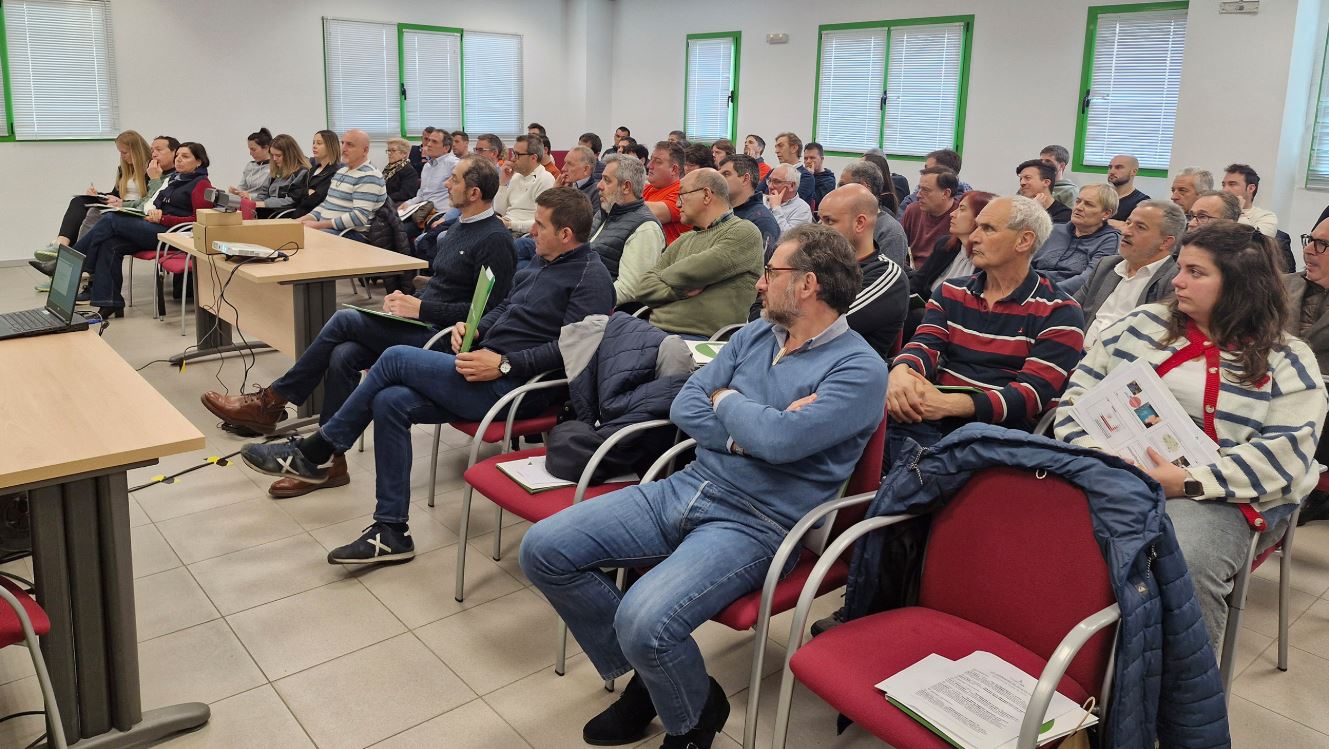
The Poultry Division of Grupo AN organises annual training days aimed at its member farmers engaged in this branch of livestock production. Delivered in a lecture format by various industry professionals, the days are designed to ensure that all attendees — whether in person or online — receive essential training to update their technical and regulatory knowledge. Nearly one hundred people followed this year’s session, including those who attended live, in person and remotely, as well as those who viewed it afterwards.
More than one hundred livestock professionals took part in the 2025 session
AN Avícola delivers this session to update knowledge on technical and regulatory developments
The Grupo AN headquarters in Olite hosted the annual training day organised by the cooperative’s Poultry Division on Wednesday, 12 March 2025. Around seventy livestock professionals attended in person. They were joined by those who followed the event online, both live and afterwards, as the day is recorded so that those unable to watch it at the time can view it at their convenience.
As usual, the event comprised presentations delivered by specialists in various regulations and technical aspects related to poultry farming: five representatives from well-known companies in the poultry livestock sector.
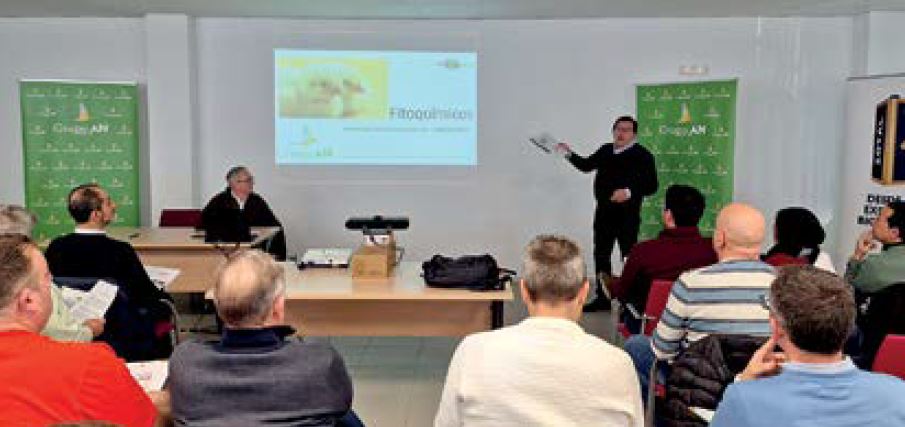
First, Santiago Dolz, Technical Director of Ph Albio, spoke about the use of phytobiotics and acids in poultry farming. After outlining the current situation regarding antibiotic use in animal production, he presented phytobiotics as one of the effective alternatives for the new era, explaining what they are and how they work: “Phytobiotics represent a viable and promising path towards antibiotic-free poultry farming, in line with consumer preferences for healthier, naturally reared meat products,” he concluded. “Continued advances in this field will improve the health and productivity of broilers and will contribute significantly to the sustainability and ethical standards of global poultry practices,” Dolz stated.
Next, Enrique Ruiz Montero, R&D Manager at Laboratorios Zotal, focused his presentation on the key factors in drinking water biosecurity. After explaining the importance of drinking water — the primary nutrient in poultry farming — to biosecurity, he listed the main water quality parameters, both physicochemical and microbiological. He then analysed the physical and biological challenges posed by disinfectants in water systems, using the specific example of Virkon H2O: an innovative disinfectant and acidifier marketed by Zotal, whose advantages over other products Ruiz Montero highlighted.
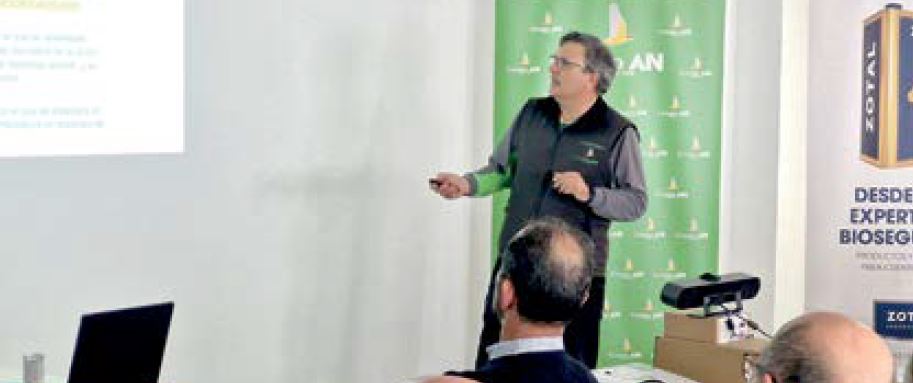
Francisco Javier Calderón, Commercial Director of Fumihogar, delivered the third presentation, entitled Revolution in the air: micro-dispersion technology. He outlined the characteristics of aerial surface disinfection and its benefits in pathogen elimination, environmental improvement, and animal welfare. This technique is indicated for the disinfection of unoccupied industrial premises at the end of daily or weekly production or during depopulation, to combat moulds, viruses, and bacteria. It is particularly effective on surfaces that are difficult to sanitise by direct disinfection and is useful for eliminating pathogenic microorganisms from the production environment.
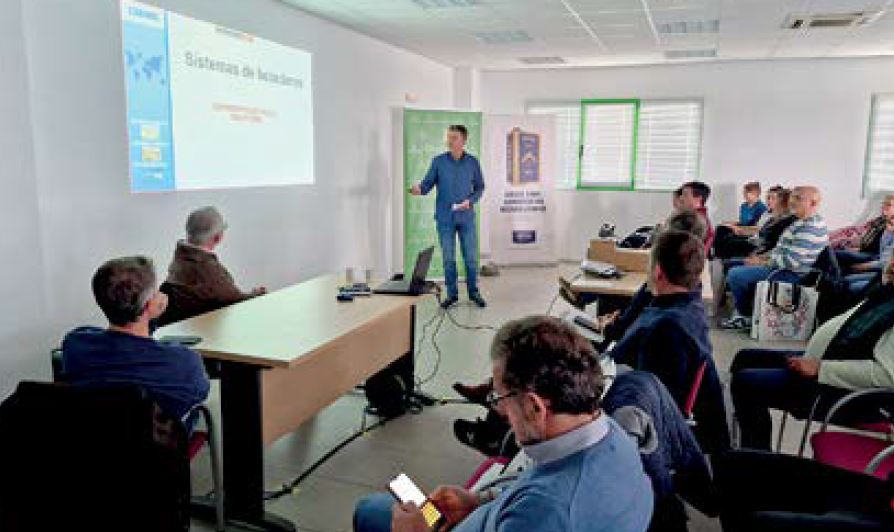
Alejandro Arribas, technician at Lubing, argued that good management equals good results. His presentation covered the types of drinkers used on farms, pressure levels, temperature sensors, and slope regulators to correct uneven gradients. He placed particular emphasis on drinker line height to ensure adequate water consumption for good animal growth, prevent weight losses, and reduce wastage. Arribas highlighted two key indicators for determining whether the height is correct: “When drinking, the birds’ necks must always be extended, regardless of age, and the birds must be able to access the area beneath the drinker line with ease.”
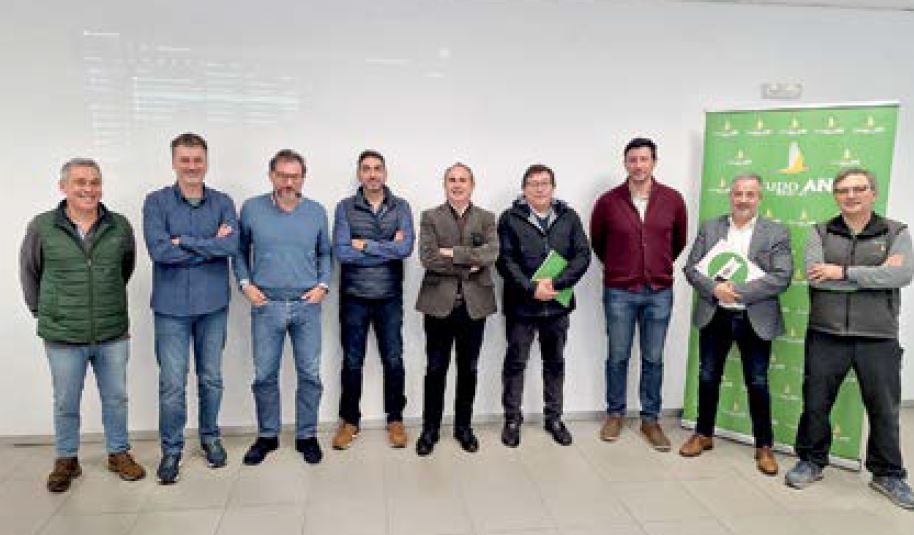
Finally, Ismael Marzo, veterinarian at AN Avícola Mélida, reviewed the obligations of the farm holder. After running through current legislation, he proceeded to list the farmer’s obligations: he explained the implications of the SIGE (Integrated Farm Management System) and the Comprehensive Health Plan, mandatory from June 2025, antibiotic use control, and the Animal Welfare Plan. He then dedicated his presentation to breaking down the obligations of both the farm veterinarian and the farmer, and explaining developments relating to biosecurity measures and the use of cleaning, disinfection, and pest control products.
AN Avícola Mélida holds this training day for poultry professionals every year. It is a service designed to help them achieve better technical and economic results in their operations. This is why interaction is so important — and once again it was in evidence through the questions raised by those attending the day.