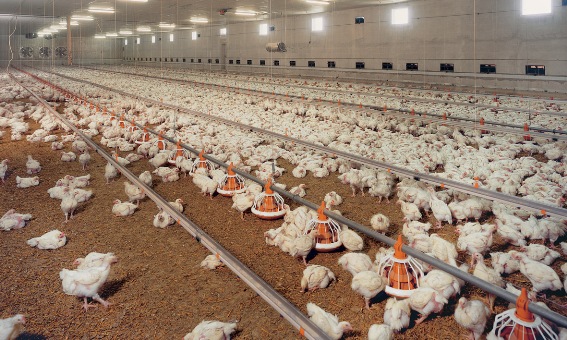

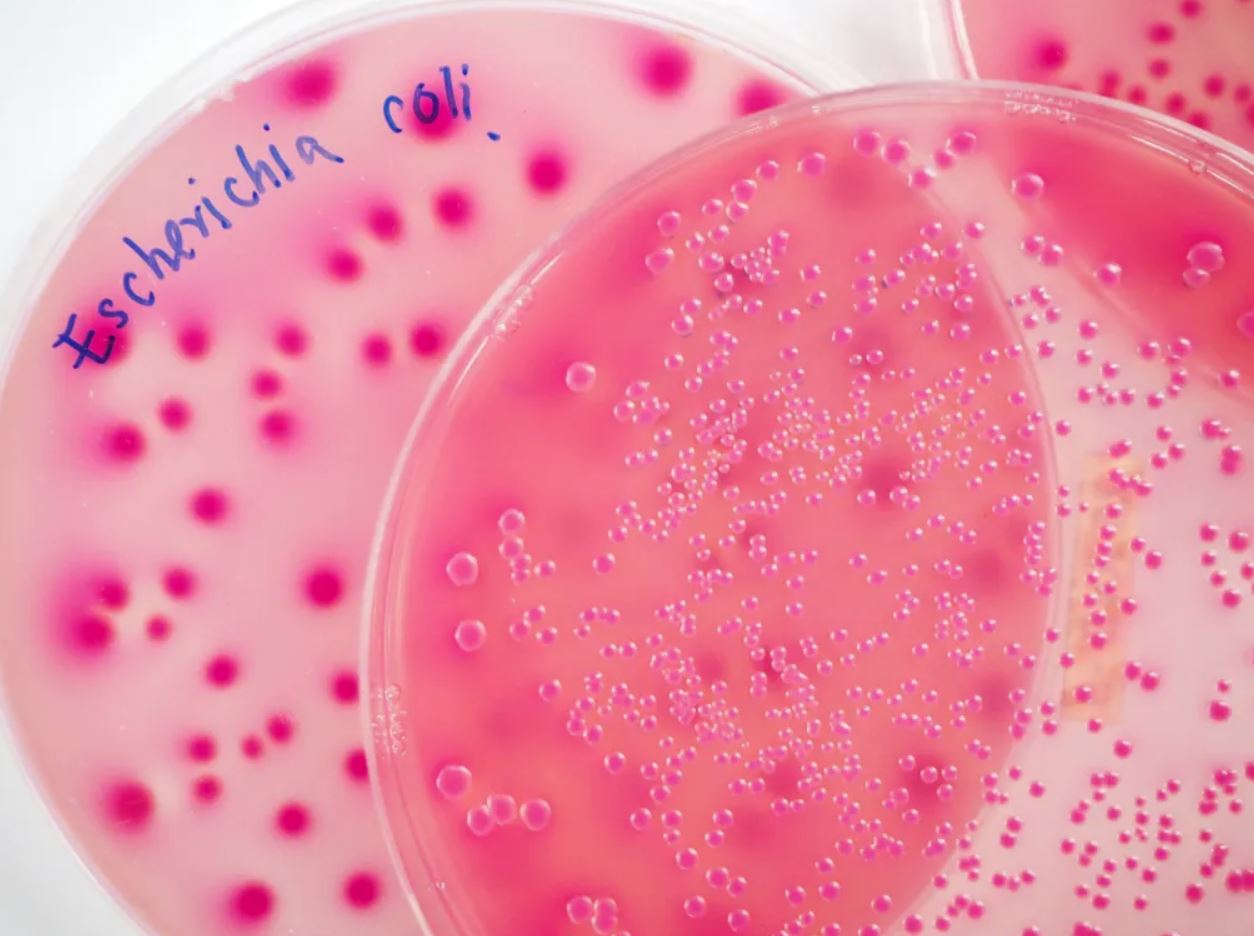
Colibacillosis caused by Escherichia coli (APEC) is possibly one of the principal causes of morbidity, mortality and carcass losses for the poultry sector worldwide, putting at risk one of the cheapest and most valuable protein sources.
APEC is related to several factors, such as bird health and welfare, feed quality, water and litter, the use of antimicrobials and general management. Despite efforts to control it on all these fronts, it continues to prevail and remains a major problem among poultry producers.
One of the current challenges in combating colibacillosis lies in the limitations on the use of antimicrobials to control it. Consumers and processors are seeking a more “natural” product and producers are seeking alternatives to control outbreaks in light of veterinary product directives and market pressure. One of these approaches that is gaining more attention is metal supplements, which themselves have desirable antimicrobial properties.
With this in mind, the University of Georgia is conducting a study whose main hypothesis is that metal supplementation may affect the health of domestic birds by selecting pathogenic E. coli and evaluating its use in the resistance and virulence of APEC based on its phenotype and genotype. To achieve this objective, several specific aims were identified, including:
1- Screening of APEC collections for heavy metal resistance traits using phenotypic and genotypic analysis.
2- Sequencing of selected strains to identify metal resistance mechanisms and associated characteristics.
Performing data mining of sequenced APEC to identify and locate resistance traits characteristic of a core genome.
3- Deletion analysis and measurement of its effects on the survival and selection of APEC strains in vitro and in vivo in the presence of metals.
4- To date, findings have revealed that resistance to heavy metals is frequent in APEC and that some of them have higher prevalence than others. The ability of strains to harbour heavy metal resistance traits has been significant and was genetically linked to multiple systems.
But there is still much to learn about the role of heavy metals and their potential impact on APEC selection. The effect is complex, especially considering how many metal and resistance systems APEC can harbour and how strains are capable of adapting to agents through multiple mechanisms. Different metal effects were evident from various studies.
The use of metals as potential antimicrobial agents and supplements will require careful consideration when evaluating their potential benefits against the risks that are likely to lead to the selection of some APEC strains. This work has highlighted the need for a better understanding of specific supplements or metals in the broader context of their potential for selection or control of pathogens, such as APEC. Genomic data provide valuable evidence on APEC, including its virulence and resistance.
Ongoing work with birds will determine the effects of supplements as selective agents for APEC.