The Comunitat Valenciana declares a health emergency over Newcastle Disease
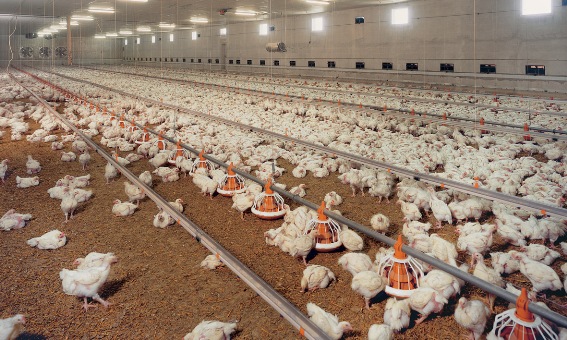
The Pleno del Consell of the Comunitat Valenciana on 30 January 2026 formally approved the declaration of emergency to carry out urgent health measures aimed at the prevention and control of Newcastle Disease. This pathology, characterised by being highly contagious, affects both wild and domestic birds and prompted an immediate response following the confirmation of a positive Newcastle case on 29 December in the municipality of Llutxent, and four further secondary outbreaks in nearby farms. The aim of these new measures is to prevent the emergence of additional secondary outbreaks in the Comunitat Valenciana.
Emergency action plan and allocated budget
To address this health threat, the Regional Ministry of Agriculture, Water, Livestock and Fisheries has designed an emergency action plan with a total budget of €637,622. The planned interventions have a maximum implementation period of three months, with the aim of remedying existing damage and preventing the virus from spreading to other holdings.
The immediate measures include the depopulation of the affected farms and the culling of animals in strict compliance with animal welfare regulations. In addition, the culled birds will be destroyed or buried, along with feed and any other materials that may be contaminated. To ensure the effectiveness of the process, geological surveys will be carried out to identify suitable areas for excavating pits in which both animal remains and the materials and protective clothing used during operations will be deposited.
“Mandatory vaccination is a structural prevention measure that reinforces the health security of the sector.”
Enhanced biosecurity, perimeter control and the hiring of specialist cleaning teams
The containment strategy is not limited to confirmed outbreaks. The authorities have established a biosecurity reinforcement protocol within a 10-kilometre radius around the positive holdings. Within this perimeter, specific surveys will be conducted to assess the level of protection at nearby farms, and disinfectant will be applied to facilities, transport vehicles and equipment that may have come into contact with the virus.
These actions seek an “agile, swift and effective” response to safeguard the region’s poultry sector. The intervention also includes the hiring of specialist teams for the collection and management of contaminated animals and materials.
“The regulatory update will make it possible to introduce mandatory vaccination throughout the Comunitat Valenciana.”
Towards mandatory vaccination across the entire region
Beyond the temporary emergency measures, the Consell is committed to a structural solution. The Directorate-General for Agricultural and Livestock Production is processing an amendment to the Annual Zoosanitary Plan of the Comunitat Valenciana, originally approved on 8 January 2026. This regulatory update will enable the introduction of mandatory vaccination against Newcastle Disease throughout the entire territory of the Comunitat Valenciana.
The Regional Minister for Agriculture has stressed that this measure is vital to ensure the stability of an essential economic activity and to protect Valencian poultry farmers. By incorporating mandatory vaccination protocols, the aim is to raise health safety standards and prevent future outbreaks that could jeopardise animal health and the viability of the poultry sector.
“The emergency action plan has a budget of €637,622 and an implementation period of three months.”
Want to stay one step ahead in poultry farming? Subscribe free to our eNewsletter and receive a weekly selection of the best information to anticipate trends, stay up to date and grow as a poultry industry professional. NeXusAvicultura: Vision, Criteria, Quality and Context.
The Comunitat Valenciana declares a health emergency over Newcastle Disease
The Pleno del Consell of the Comunitat Valenciana on 30 January 2026 formally approved the declaration of emergency to carry out urgent health measures aimed at the prevention and control of Newcastle Disease. This pathology, characterised by being highly contagious, affects both wild and domestic birds and prompted an immediate response following the confirmation of a positive Newcastle case on 29 December in the municipality of Llutxent, and four further secondary outbreaks in nearby farms. The aim of these new measures is to prevent the emergence of additional secondary outbreaks in the Comunitat Valenciana.
Emergency action plan and allocated budget
To address this health threat, the Regional Ministry of Agriculture, Water, Livestock and Fisheries has designed an emergency action plan with a total budget of €637,622. The planned interventions have a maximum implementation period of three months, with the aim of remedying existing damage and preventing the virus from spreading to other holdings.
The immediate measures include the depopulation of the affected farms and the culling of animals in strict compliance with animal welfare regulations. In addition, the culled birds will be destroyed or buried, along with feed and any other materials that may be contaminated. To ensure the effectiveness of the process, geological surveys will be carried out to identify suitable areas for excavating pits in which both animal remains and the materials and protective clothing used during operations will be deposited.
“Mandatory vaccination is a structural prevention measure that reinforces the health security of the sector.”
Enhanced biosecurity, perimeter control and the hiring of specialist cleaning teams
The containment strategy is not limited to confirmed outbreaks. The authorities have established a biosecurity reinforcement protocol within a 10-kilometre radius around the positive holdings. Within this perimeter, specific surveys will be conducted to assess the level of protection at nearby farms, and disinfectant will be applied to facilities, transport vehicles and equipment that may have come into contact with the virus.
These actions seek an “agile, swift and effective” response to safeguard the region’s poultry sector. The intervention also includes the hiring of specialist teams for the collection and management of contaminated animals and materials.
“The regulatory update will make it possible to introduce mandatory vaccination throughout the Comunitat Valenciana.”
Towards mandatory vaccination across the entire region
Beyond the temporary emergency measures, the Consell is committed to a structural solution. The Directorate-General for Agricultural and Livestock Production is processing an amendment to the Annual Zoosanitary Plan of the Comunitat Valenciana, originally approved on 8 January 2026. This regulatory update will enable the introduction of mandatory vaccination against Newcastle Disease throughout the entire territory of the Comunitat Valenciana.
The Regional Minister for Agriculture has stressed that this measure is vital to ensure the stability of an essential economic activity and to protect Valencian poultry farmers. By incorporating mandatory vaccination protocols, the aim is to raise health safety standards and prevent future outbreaks that could jeopardise animal health and the viability of the poultry sector.
“The emergency action plan has a budget of €637,622 and an implementation period of three months.”
Want to stay one step ahead in poultry farming? Subscribe free to our eNewsletter and receive a weekly selection of the best information to anticipate trends, stay up to date and grow as a poultry industry professional. NeXusAvicultura: Vision, Criteria, Quality and Context.
Brazilian company MANTIQUEIRA becomes the tenth largest egg producer in the world
Mantiqueira Brasil celebrates a global milestone by positioning itself as the tenth largest egg producer in 2023, according to the “World’s Top 30 Egg Producers” ranking published by WATT Global Media 2024. This recognition also confirms that the company is the largest in South America within the sector.
The company, a leader in innovation and technology within the laying hen sector in South America, produces and markets close to 4 billion eggs per year, supplying both the Brazilian and international markets. Brazil, as a whole, ranks as the fifth largest egg producer in the world, and Mantiqueira dedicates 5% of its production to exports in markets across the Middle East, Africa, Asia and South America.
Source: 2024 World’s Largest Egg Producers Ranking compiled by WATT Global Media
Mantiqueira currently operates 16 production units across 6 Brazilian states: Minas Gerais, São Paulo, Mato Grosso, Goiás, Paraná and Santa Catarina. To meet growing demand for free-range eggs, the company is expanding its facilities in Lorena (SP), Formosa (GO) and São João de Itaperiú (SC). By December 2024, the company is expected to surpass 3 million free-range hens.
“Thanks to our pioneering spirit, we attribute this achievement to our pillars of sustainability, technological innovation and ongoing investment in animal welfare. In 2024 we reached the target we had set for the following year, with 2.5 million free-range birds”, celebrates Leandro Pinto, founder and Chairman of the Board of Mantiqueira Brasil.
Mantiqueira Brasil stands out for its continuous modernisation of egg production and grading, as well as compound feed manufacturing and house conditioning. It employs state-of-the-art machinery and technology that allows eggs to reach the end consumer without being touched by human hands.
The company’s CEO, Márcio Utsch, explains:
“Our strategic plan for the coming years includes further investment in people, technologies, brands and initiatives that bring us even closer to our customers and consumers. We are also leading the growth of the egg industry in the country with the construction of new free-range hen units under the Happy Eggs brand, aimed at supplying the Centre-North, South-East and South regions of Brazil“.
Founded in the late 1980s by businessman Leandro Pinto, Mantiqueira Brasil quickly established itself in the highly competitive laying poultry market.