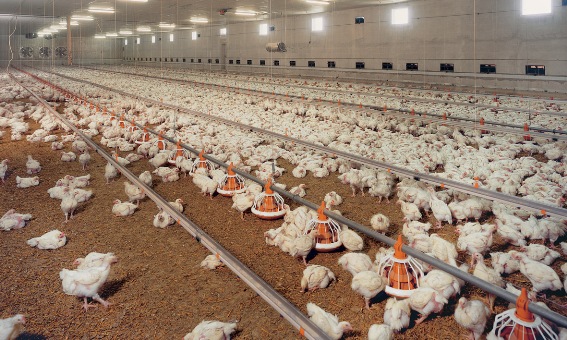

The European poultry industry has just received a new warning shot from the north. In a decision that analysts are calling a “regulatory earthquake”, Norway has become the first country in the world to completely ban the production of fast-growing chickens (i.e., the so-called “broiler”, the current industry standard) and the culling of male chicks in the laying sector. This measure will be phased in throughout 2027.
nnnnUnder pressure from animal welfare groups and following an agreement between the giant Nortura SA and the Norwegian Meat and Poultry Industry Association (KLF), the sector has committed to a radical transformation with two immovable deadlines that threaten to drive up production costs significantly.
nnn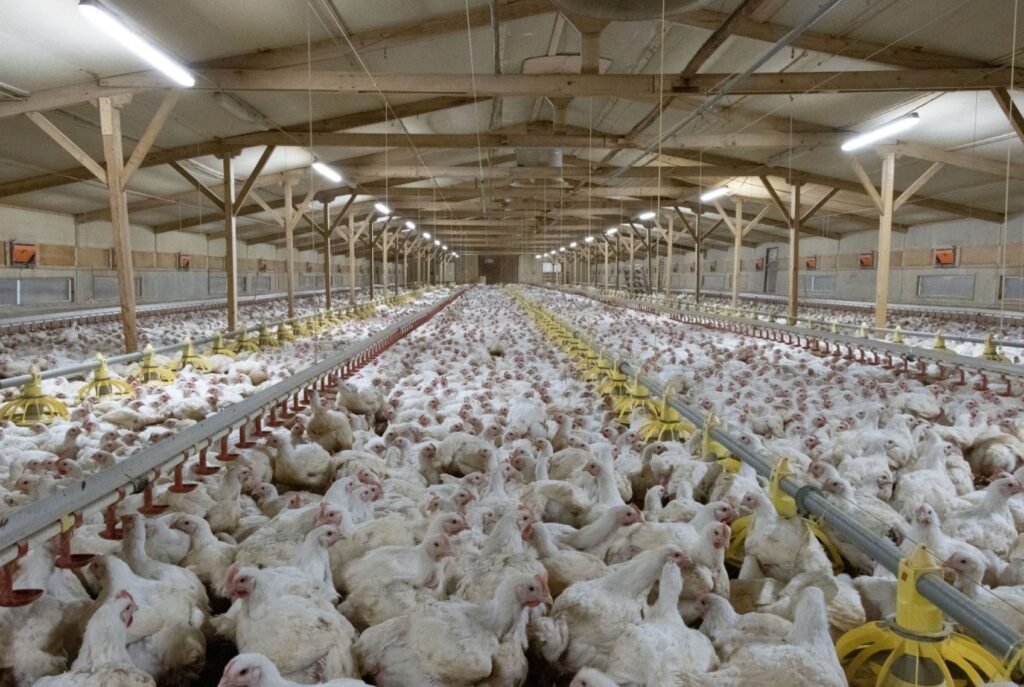
The end of production efficiency: a blow to the consumer’s wallet
nnnnThe facts are clear: from 31 December 2027, it will be illegal to produce fast-growing chickens in Norway. The measure will affect more than 70 million birds per year. Additionally, from 1 July 2027, the culling of male chicks in the egg industry will be banned, compelling the widespread implementation of in-ovo sexing technologies (determination of sex within the egg before hatching) or the rearing of males from laying strains — both options being notoriously costly.
nnnnnnnnn“Biology is unforgiving: 20 or 30 extra days of rearing means 20 or 30 more days of costs, risks, and resources.”
n
While the statement from the Animal Welfare Alliance (Dyrevernalliansen) hails the measure as a “historic victory”, the economic analysis reveals a far harsher reality for the Norwegian consumer. The mandatory shift to slow-growing strains entails:
nnnn- n
- Longer production cycles: Chickens must be fed and maintained for more days to reach market weight. nnnn
- Poorer feed conversion ratio: These birds are less efficient at converting feed into meat, driving up expenditure on feed, energy, and water. nnnn
- Greater environmental footprint: Paradoxically, by requiring more resources per kilogram of meat produced, the animal welfare movement’s concept of “sustainability” conflicts with ecological efficiency. n
The inevitable outcome will be a dramatic increase in the price of chicken in Norwegian supermarkets. What has until now been an accessible, everyday source of protein risks becoming a luxury product — a consequence of which, presumably, the average Norwegian consumer is not yet fully aware.
nnn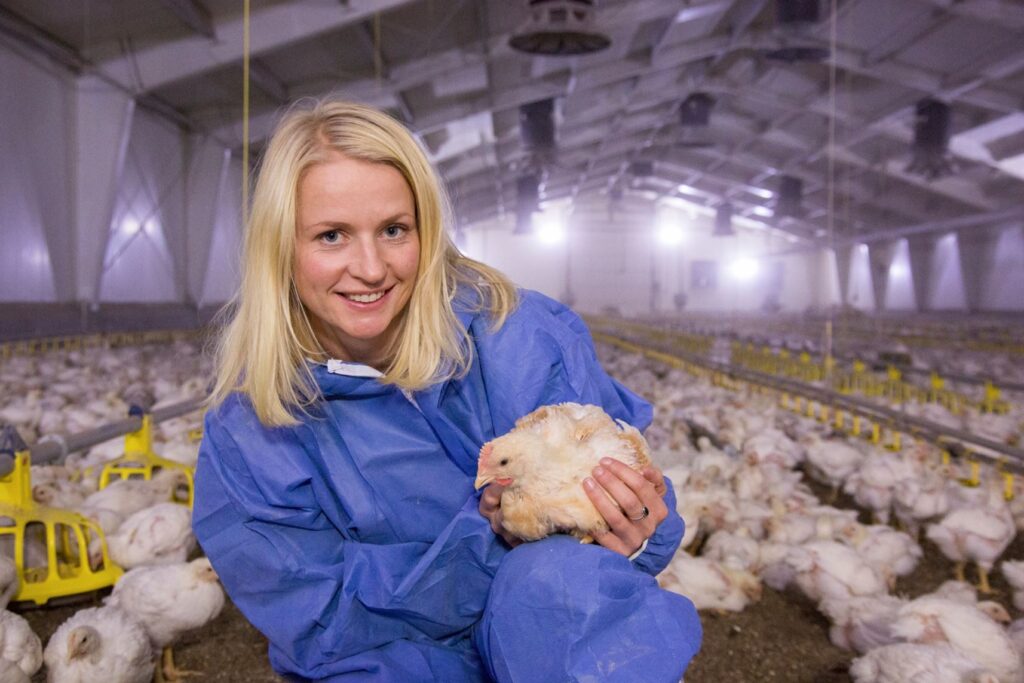
nnnn
How will these two bans be implemented and enforced?
nnnnIN-OVO Sexing: The research institute Animalia.no will develop an industry standard defining exactly what constitutes in-ovo sexed eggs. The objective is for these eggs to become the new norm by 1 July 2027. The transition will be carried out progressively, without disrupting the ongoing productive life of laying flocks currently in production.
nnnnSlower-growing chickens: Researchers at Animalia.no will draw up a proposal for an industry standard defining what constitutes a “slower-growing hybrid chicken”. Animal welfare organisations have required the poultry industry to implement these new hybrids — the “slow-growing chicken” — as the new standard before 31 December 2027. All parties involved agree that the transition must be gradual, depending on the availability of breeding stock and the establishment of the new production areas required.
nnnnnnnn
The bill, please: who foots the cost?
nnnnNorway is a country with a very high per capita income and a protected market (it is not a member of the EU, although it aligns with many of its regulations). They may well be able to afford it. But what about the average consumer?
nnnnSwitching to slow-growing strains automatically implies:
nnnn- n
- Longer cycles: Chickens spend more days on the farm eating and drinking. nnnn
- Poorer feed conversion ratio: More feed is needed to produce the same kilogram of meat. nnnn
- Lower turnover: Farmers complete fewer rearing cycles per year. To earn the same income, they must charge significantly more per chicken. n
The outcome is straightforward: chicken prices will rise dramatically. And this is happening at a time when food prices have pushed inflation in Norway to 3.2% in 2025, and across the rest of Europe inflation has hit chicken prices hard and is already impacting consumers. Norway has just decided that chicken should cease to be the quintessential affordable protein and instead become a premium product.
nnnnnnnnnnnnnKey Figure: Production costs are estimated to increase by between 25% and 40%, depending on the genetics ultimately selected and the stocking densities permitted.
n
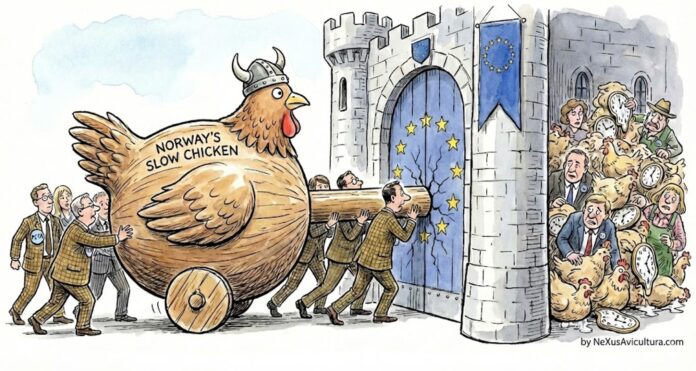
The real objective: using the end of the fast-growing “broiler” chicken in Norway as a battering ram to push the EU into doing the same in the medium to long term.
nnnnWhat concerns the EU poultry sector most is not what is happening in Oslo — bearing in mind that Norway is not a member of the EU — but rather how this decision will be exploited. Animal welfare organisations such as Anima International and Project 1882 have wasted no time in weaponising this news. Their strategy is clear: to use the Norwegian precedent as a political pressure tool to force the European Union to adopt identical measures.
nnnnThe rhetoric is already in full swing. By labelling current strains as “Frankenchickens” or “turbo-chickens”, these groups seek to demonise standard production in Brussels. If they succeed in persuading the EU to mirror Norwegian legislation, the economic impact on European competitiveness would be devastating.
nnn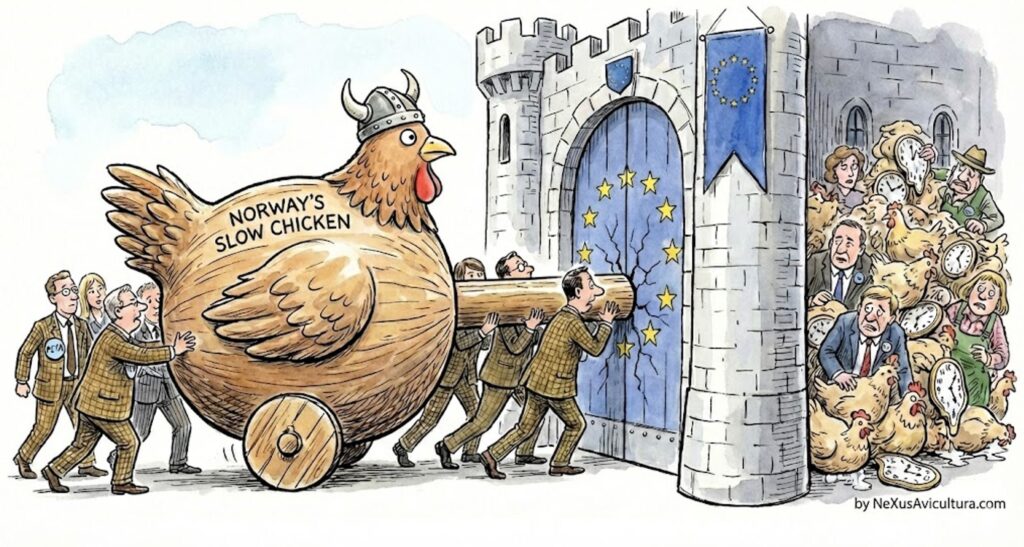
Europe’s competitive suicide
nnnnIf the highly influential animal welfare lobbies were to succeed in the future in convincing the EU to extend this ban across the whole of Europe, the price differential (GAP) between European chicken and that of its global competitors would become insurmountable.
nnnnEurope already competes at a cost disadvantage against major players such as Brazil, the United States, and Ukraine, which are not subject to these drastic restrictions. If the EU were to require its farmers to produce exclusively slow-growing chicken — at costs 30–50% higher — European chicken would be priced out of the market.
nnnnThis would fling the door wide open to imports from third countries that, ironically, will continue producing under the very efficiency standards that Europe intends to ban. The European poultry industry therefore faces an existential crossroads: yield to the pressure of an ideological agenda, or defend the viability of affordable food and sovereign production. Norway has chosen the former; its citizens will pay the price.
nnnnFederico Castelló
Founder and CEO of NeXusAvicultura.com
nnnnnnnn
Further reading:
nnnn-. New Food Magazine: Norway to phase out ‘frankenchickens’
-. Slow-growing chicken and rising production costs on NeXusAvicultura
nnnn
Want to stay one step ahead in poultry?
Subscribe free to our eNewsletter and receive a weekly selection
of the best information to anticipate trends, stay up to date, and grow as a poultry industry professional.
NeXusAvicultura: Vision, Insight, Quality and Context.