
The Intellectual Scaffolding of a Global Superpower
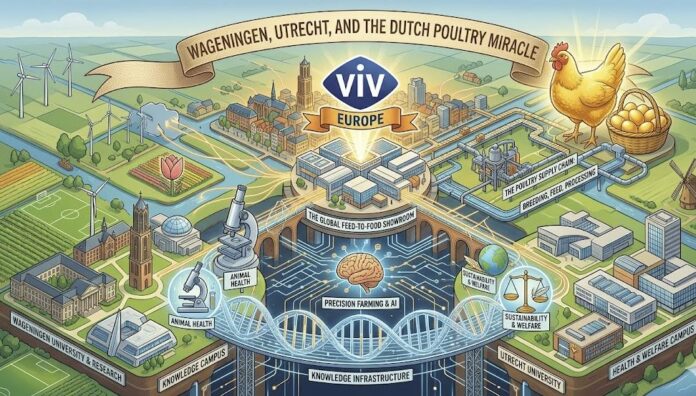
The commercial machinery unveiled at global trade exhibitions represents only the visible surface of a much deeper intellectual and institutional apparatus. Behind every high-capacity breast deboner, contactless egg grader, and in-ovo vaccination robot lies a vast, integrated network of academic research, public policy, and veterinary epidemiology. The Netherlands has achieved its status as the global benchmark for poultry technology not through isolated corporate research and development, but through a highly formalized institutional matrix known as the “Golden Triangle.”
For academics, R&D managers, poultry veterinarians, and public institution delegates attending VIV Europe 2026 in Utrecht, understanding this knowledge infrastructure is paramount. The co-location of VIV Europe with VICTAM International from June 2 to June 4, 2026, offers a unique physical convergence of this entire intellectual pipeline. To truly grasp how a nation of just 42,000 square kilometers feeds billions while maintaining a yield per hectare that is five times the European average , one must examine the post-WWII policy shifts, the academic powerhouse of Wageningen University, the specialized vocational training at the Poultry Expertise Centre, and the rigorous epidemiological monitoring conducted by Royal GD.
The Post-War Catalyst: Sicco Mansholt and the Vow to Never Starve Again
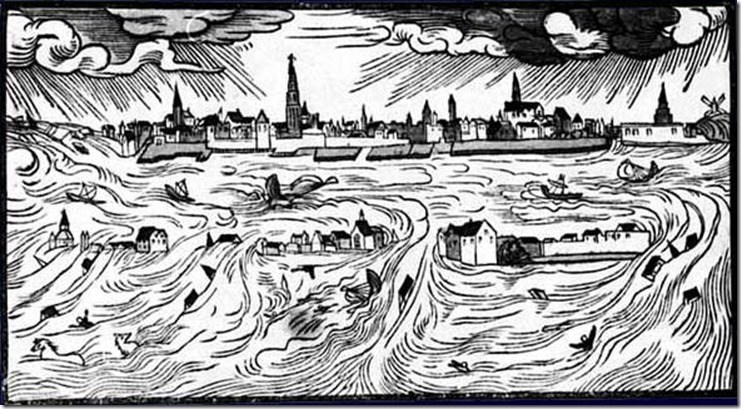
The modern Dutch agricultural miracle was forged in the crucible of absolute deprivation. The Dutch have always been in constant war with the nature and to have acces to food. Most people know about the 1953 flood but there have been floods throughout the centuries with higher casualties.
The St. Elizabeth’s flood of 1421 was a flooding of an area in what is now the Netherlands. It takes its name from the feast day of Saint Elisabeth of Hungary which was formerly November 19. It ranks 20th in the list of worst floods in history. During the night of November 18 to November 19, 1421 a heavy storm near the North Sea coast caused the dikes to break in a number of places and the lower lying polder land was flooded. A number of villages were swallowed by the flood and were lost, causing between 2,000 and 10,000 casualties. The dike breaks and floods caused widespread devastation in Zeeland and Holland.
Some centuries later, during the brutal winter of 1944-1945, the Netherlands suffered a catastrophic famine under German occupation, resulting in widespread starvation, severe impairment of public health, and massive loss of life. Emerging from the ruins of World War II, the Dutch government, society, and scientific community made a solemn national vow: “Nooit meer honger” (Never starve again).

The chief architect of this mission was Sicco Mansholt, a farmer and social democrat who was appointed as the Dutch Minister of Agriculture, Fisheries and Food immediately following the war. Mansholt recognized that the pre-war economic policy of “laisser faire” was wholly insufficient for national survival; the nation’s farms were far too small, fragmented, and inefficient to guarantee food security or provide reasonable incomes for rural populations. Vowing to prevent another famine, Mansholt initiated an unprecedented era of state-sponsored agricultural modernization. He orchestrated massive land consolidation programs, implemented heavy mechanization subsidies, and launched intensive public information campaigns to educate farmers on the instruments of modern management.
Mansholt’s vision extended far beyond the Dutch borders. In 1958, he became one of the first European Commissioners, holding the agriculture portfolio and serving as vice-president of the European Commission. He utilized the revolutionary “Mansholt Plan” to lay the absolute foundations of the Common Agricultural Policy (CAP). This policy guaranteed market access and stabilized prices, which mitigated risk and allowed Dutch poultry farmers to invest heavily in scientific advancements and scaled operations. His legacy is so enduring that in October 2024, a major summit was held in Teulada, Sardinia, specifically to pay homage to Mansholt’s influence on European food sovereignty and defense policies.
However, this relentless pursuit of maximum yield eventually generated severe ecological and socio-economic side effects. By the late 1960s, scarcity had been replaced by excess production, resulting in massive food surpluses. The environmental toll of intensive farming—particularly the vast manure output from concentrated pig and poultry stocks—became undeniable. Deeply influenced by the recommendations of the Club of Rome, and facing intellectual opposition from thinkers like E.F. Schumacher (author of Small Is Beautiful), Mansholt himself realized that exponential agricultural expansion was a dogma at odds with planetary boundaries.
This historical pivot is crucial to understanding the contemporary Dutch poultry science paradigm. The tension between output and environment culminated during the devastating swine fever epidemic of 1997-1998. The epidemic revealed the deep institutional fragility of high-density livestock farming, as images of burning carcasses triggered massive public concern regarding animal welfare and the formerly “safe” practice of exporting live animals. In response to this acute institutional ambiguity, the Ministry of Agriculture, Nature, and Fisheries (LNV) initiated a self-evaluation, and the Council for Rural Affairs launched a reform-oriented research program on food production for the 21st century.
This program explicitly targeted the expert-centered post-WWII agricultural system, demanding greater consideration for animal welfare, the natural environment, and food safety.
The modern Dutch poultry sector is entirely organized around solving this exact paradox: maintaining extreme, export-driven efficiency while meeting the world’s strictest welfare and ecological regulations.
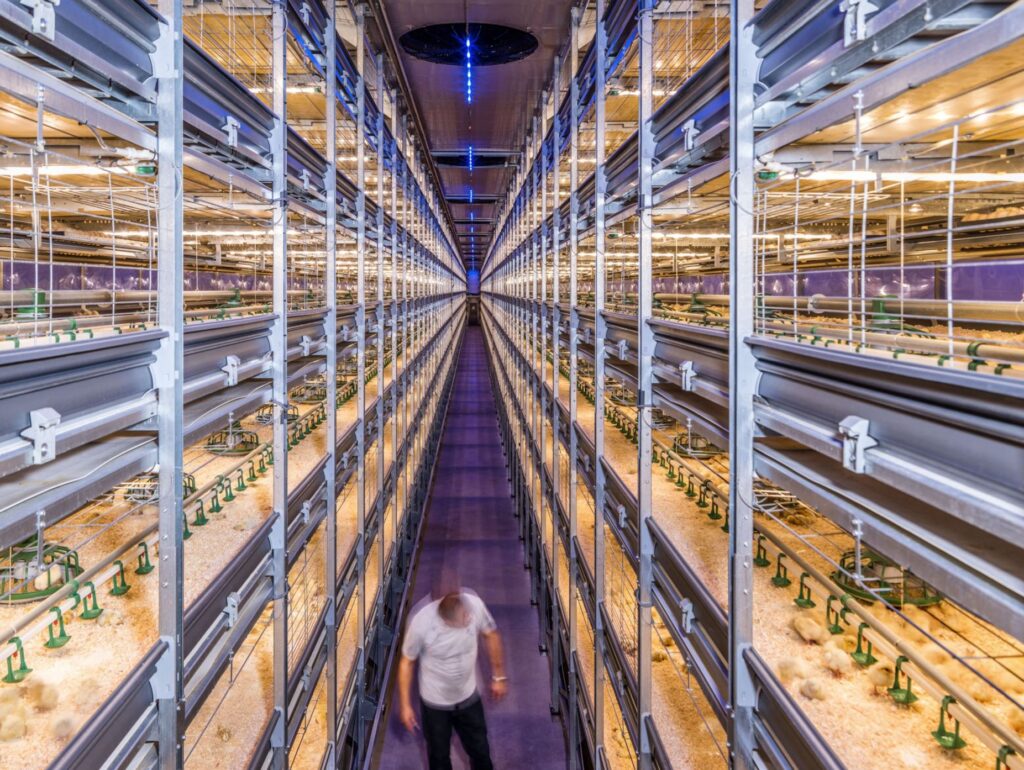
Source: This Tiny Country Feeds The World (national Geographic article)
The Golden Triangle: Operationalizing the Triple Helix Model
The engine driving this complex transition is the “Golden Triangle,” a highly effective operationalization of the Triple Helix governance model. This theoretical framework relies on the continuous, structured interaction between three independent institutional pillars: the government (providing public policy direction and funding), business (ensuring commercialization and scalability), and science (executing fundamental and applied research).
The intellectual epicenter of this triangle is Wageningen University & Research (WUR). Located in the “Food Valley”—a geographic cluster containing five percent of all Dutch livestock farms and major agribusinesses like De Heus, Moba, and HatchTech—Wageningen consistently ranks as the best agro-food faculty in the world. Under the Topsector Agri & Food framework, which facilitates public-private partnership funding, Wageningen operates as the primary laboratory for global poultry innovation.
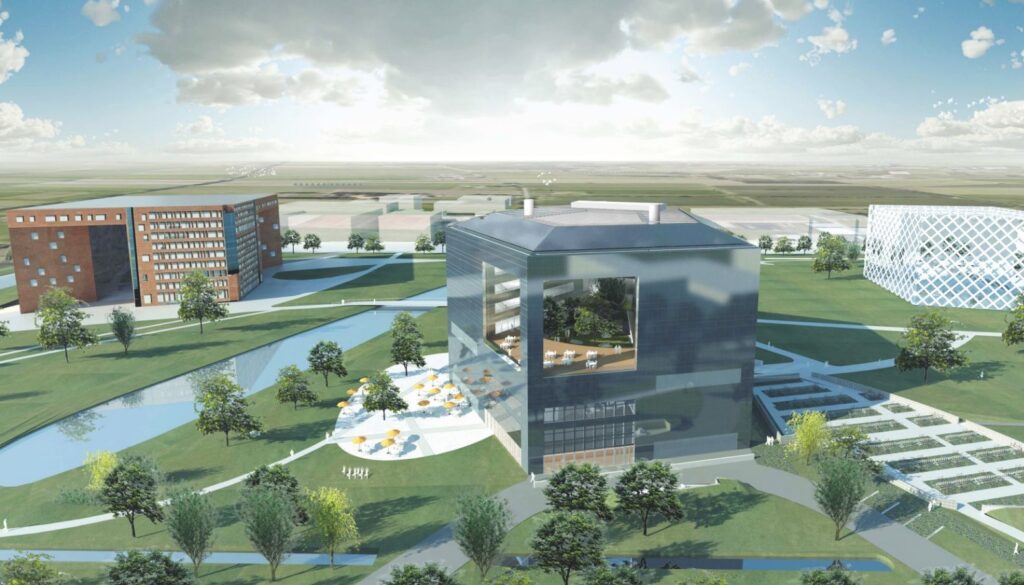
A definitive example of this collaborative, policy-driven research is the Greenwell Project (Greening animal welfare in the broiler chain). Conducted by Wageningen Livestock Research and Wageningen Economic Research, and funded by the Ministry of Agriculture alongside four major poultry corporations, the project investigated the inherent, stubborn trade-offs between animal welfare and environmental footprints. Because decades of genetic selection focused strictly on improving feed conversion and growth rates in broilers, the introduction of slower-growing birds to meet modern welfare standards (such as the Dutch Retail Broiler or the Beter Leven one-star system) inadvertently increased the environmental footprint via higher land, water, and feed requirements.
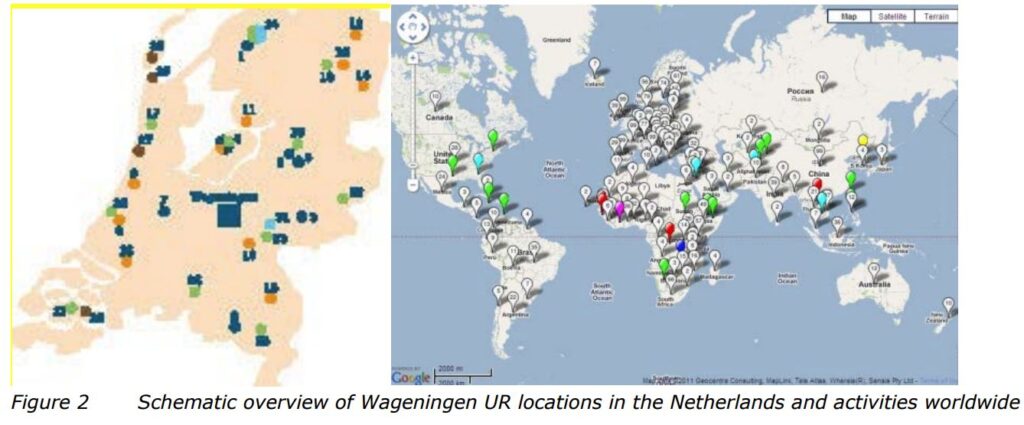 |
| The domain of Wageningen UR consists of three related main areas: Food and food production Living environment Health, lifestyle and livelihood Wageningen UR has branches all over the Netherlands that act as satellites of the central location at Wageningen Campus. It also has activities all over the world, including its own offices in Chile, China, Ethiopia, Saudi Arabia and Brazil (Figure 2). The majority of its lecturers, researchers and other employees are based at its main location, Wageningen Campus. |
Wageningen’s economic analysis revealed the stark financial realities of these welfare systems. Moving from conventional production to DRB, BLS, and organic systems increased farm-level production costs by 20%, 44%, and 193%, respectively. The cost per kilogram of deboned meat surged even higher—by 38%, 78%, and 402%—due to lower carcass yields in alternative, slower-growing breeds. Armed with this empirical data, the Golden Triangle works collectively to engineer the housing, feed formulations, and genetic solutions required to decouple improved welfare from increased environmental degradation.
| Broiler Production System | Welfare Standard Profile | Farm-Level Cost Increase (vs. Conventional) | Cost Increase per Kg Deboned Meat |
| Conventional | Baseline EU commercial standard | Baseline (0%) | Baseline (0%) |
| Dutch Retail Broiler (DRB) | Slower growth, moderate welfare focus | +20% | +38% |
| Beter Leven one-star (BLS) | Enhanced welfare, lower stocking density | +44% | +78% |
| Organic | Highest welfare, extensive free-range access | +193% | +402% |
| Data derived from the Wageningen Economic Research Greenwell Project. |
The Dutch Poultry Expertise Centre (PEC) and Global Extension
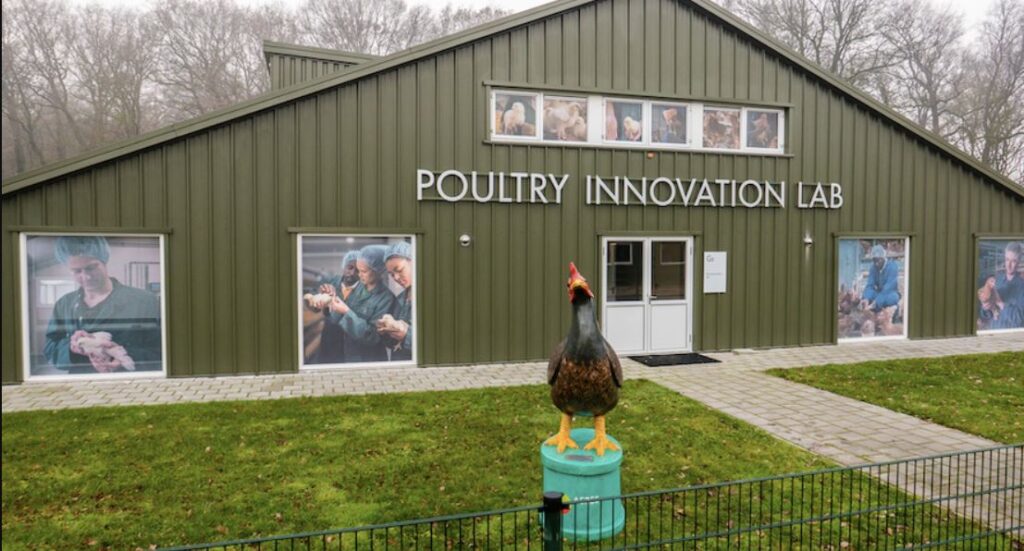
Translating high-level Wageningen academic research into practical, on-farm application requires specialized vocational infrastructure. This critical bridge is provided by the Poultry Expertise Centre (PEC), a formalized Triple Helix partnership based in Barneveld that serves as the national and international training hub for the sector. The PEC bundles expertise from organizations such as the Aeres Group, the farmers union LTO Noord, and Wageningen UR to train and retrain farm managers, veterinarians, and agricultural technicians.
The PEC is highly proactive in addressing sector vulnerabilities, particularly regarding human capital. Recognizing a troubling decline in student enrollment in poultry-related academic tracks—a striking trend given the industry’s immense economic strength—a multidisciplinary team of Wageningen University master’s students conducted an Academic Consultancy Training project on behalf of the PEC. By interviewing study advisors and students across institutions like Yuverta MBO Horst, Aeres University of Applied Sciences, and the Faculty of Veterinary Sciences in Utrecht, the researchers identified that low enrollment was driven by limited sector visibility, negative public image, and a lack of practical, hands-on exposure during early educational phases. This empirical data allows educational institutions to precisely adjust their curricula to attract and retain the next generation of poultry talent.
Beyond domestic training, the PEC acts as a sophisticated diplomatic tool for global agricultural capacity building. Following severe Avian Influenza outbreaks in South Korea that caused billions of won in damages, the PEC partnered with Wageningen UR Livestock Research, the Korean Rural Development Agency, and corporate partners like Fancom and Impex to establish the International Poultry Expertise Centre (IPEC) in Iksan City. Focusing strictly on the holistic “OneHealth” approach, IPEC trains Korean farmers in Dutch best practices—improving hygiene, reducing antibiotic reliance, and enhancing structural biosecurity to prevent zoonotic spillover from manure and airborne vectors.
Similarly, WUR and PEC researchers are heavily involved in surveying and optimizing poultry production in sub-Saharan Africa. In the Iringa region of Tanzania, researchers surveyed 121 chicken farming households to map the intensification gradient from backyard subsistence farming to market-oriented, semi-intensive systems. The study revealed that as farmers transitioned from indigenous chickens to improved dual-purpose exotic breeds for income generation, the intensity and diversity of pathogenic diseases increased proportionally, highlighting the critical need for synchronized veterinary training alongside genetic improvements.
Veterinary Diagnostics and Epidemiological Control: Royal GD
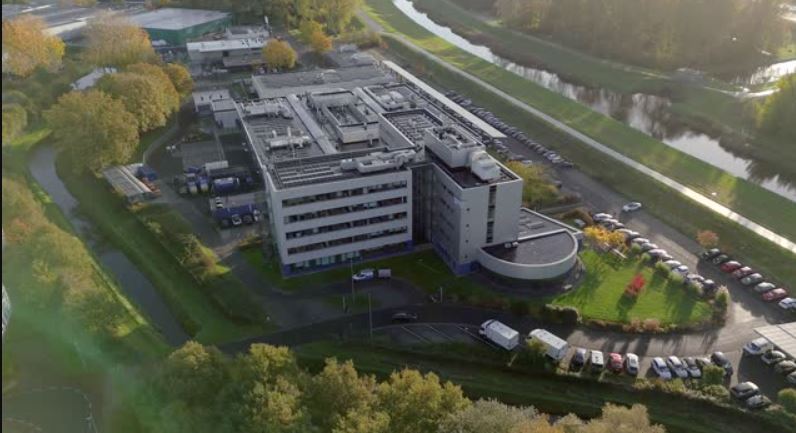
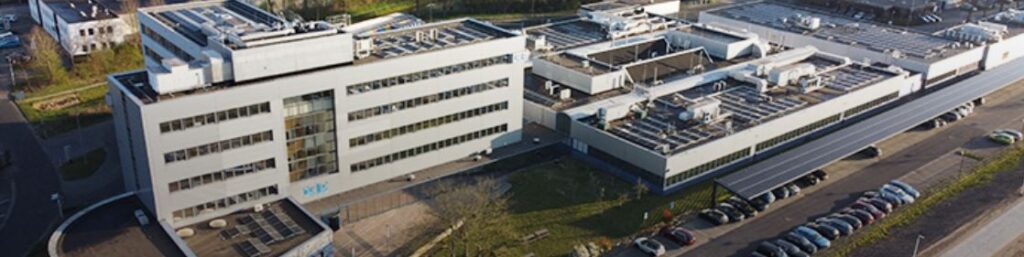
The extreme density of the Dutch livestock sector makes it highly susceptible to catastrophic pathogenic outbreaks. Consequently, the Netherlands has developed one of the most formidable veterinary diagnostic and epidemiological surveillance networks globally, anchored by Royal GD (GD Animal Health) in Deventer. Generating €80 million in annual revenue and employing 500 staff members—including 90 specialized researchers and veterinarians—Royal GD operates one of the largest veterinary laboratories in the world, conducting nearly 5 million complex analyses annually.
Royal GD acts as the central nervous system for Dutch disease monitoring, working in lockstep with the government and the Netherlands Food and Consumer Product Safety Authority to manage notifiable diseases such as Highly Pathogenic Avian Influenza (HPAI), Classical Swine Fever (CSF), and Foot-and-Mouth Disease (FMD). The depth of their molecular research is staggering. For instance, Royal GD researchers utilized a massive database of over 1,700 partial sequences of the S1 spike protein gene, collected from clinical samples of Dutch chickens over a decade, to track the evolutionary dynamics of the Infectious Bronchitis Virus (IBV). Their complex analysis of the dN/dS ratio demonstrated episodic diversifying selection acting on multiple sites, including N-glycosylation motifs. Crucially, they proved that while there was a succession of distinct sublineages within the GI-19 (QX) lineage, the virus did not grow more divergent from vaccine sequences, easing industry fears regarding vaccine-induced immunity escape.
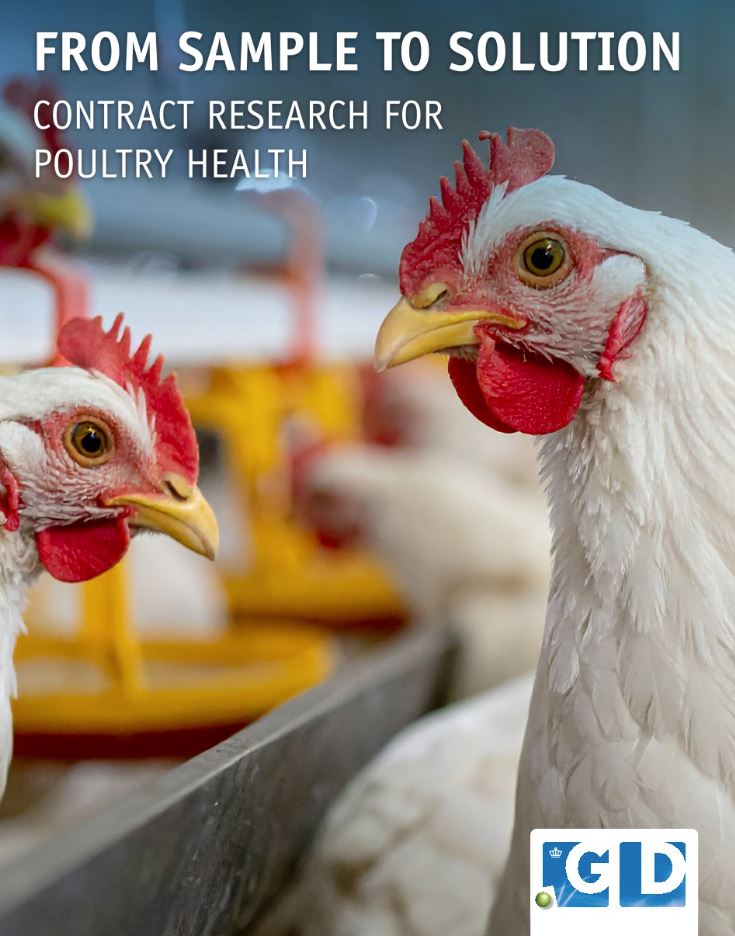
Royal GD is equally proactive in monitoring emerging domestic threats. Recently, they spearheaded the anonymous screening of blood samples from Dutch laying hens and broiler breeder flocks to track the hidden prevalence of the Reticuloendotheliosis virus (REV). Concurrently, they initiated urgent genetic analyses of fowl pox outbreaks to determine if a mutated strain, carrying embedded REV within the fowl pox genome as seen in other European nations, had penetrated the Dutch border. Their researchers, such as Senior Researcher Lonneke Vervelde, also lead the field in studying immunity and specific resistance mechanisms to Eimeria maxima, the primary cause of coccidiosis, which inflicts massive economic damage on global poultry production.
To push diagnostics out of the centralized laboratory and directly onto the farm, Royal GD has strategically partnered with Alveo Technologies to deploy the Alveo Sense platform. This collaboration utilizes Royal GD’s proprietary assays on a rapid, field-deployable technology platform, enabling immediate, on-site qPCR detection of pathogens like Avian Influenza. By circumventing the logistical time delay of centralized lab testing, Alveo Sense facilitates instantaneous flock management decisions, drastically improving outbreak containment and safeguarding surrounding flocks. Technologies like AeroCollect, which captures bacteria and viruses directly from the air for immediate qPCR analysis, further augment this rapid response ecosystem.
| Veterinary Diagnostic Capability | Executing Body / Partner | Scope and Impact of Technology |
| Molecular Epidemiological Tracking | Royal GD | Sequenced over 1,700 S1 spike protein genes to track IBV evolution and vaccine efficacy. |
| Emerging Viral Screening | Royal GD | Anonymous flock screening for Reticuloendotheliosis virus (REV) and mutated fowl pox. |
| Field-Deployable Diagnostics | Royal GD & Alveo Technologies | Alveo Sense platform for immediate, on-farm qPCR detection of Avian Influenza. |
| Airborne Pathogen Capture | AeroCollect A/S | Device captures bacteria and viruses directly from barn air, eliminating sample preparation time. |
| Coccidiosis Immunity Research | Royal GD (Lonneke Vervelde) | Studying specific genetic resistance mechanisms to Eimeria maxima across chicken breeds. |
VIV Europe as the Nexus of the Poultry Knowledge Economy
When VIV Europe opens its doors at the Jaarbeurs in Utrecht in June 2026, it will serve as the physical manifestation of the Golden Triangle. The exhibition is not merely a commercial sales floor; it is a peer-reviewed marketplace where the theoretical frameworks of Wageningen University and the strict epidemiological protocols of Royal GD are rendered into commercial steel, artificial intelligence algorithms, and applied biological solutions.
For public institutions, academic researchers, and veterinary professionals, VIV Europe provides direct, unfiltered access to the stakeholders driving the global protein transition. The event’s explicit focus on Climate Smart Agriculture, Animal Health & Welfare, Robotics, and Alternative Proteins perfectly mirrors the precise research agendas dominating global agricultural science. The co-location with VICTAM International amplifies this convergence by bringing the feed formulation and nutritional science communities into the exact same ecosystem, validating the “Feed to Food” thesis.
The Dutch poultry miracle was born out of historical necessity following WWII, refined by visionary policy under figures like Sicco Mansholt, and perfected by relentless scientific inquiry via the Triple Helix model. By attending VIV Europe 2026, not only the poultry decission makers but also the global academic and institutional community can plug directly into this advanced knowledge infrastructure, absorbing the empirical lessons of the Dutch Golden Triangle to secure the future of global food production and animal welfare.
Federico Castelló
Founder of NeXusPoultry and NeXusAvicultura
🔗 Free registration for professionals at: europe.viv.net
For further information:
-. Fair VIV EUROPE 2026
-. International events calendar: https://NeXusAvicultura.com/Calendario/