
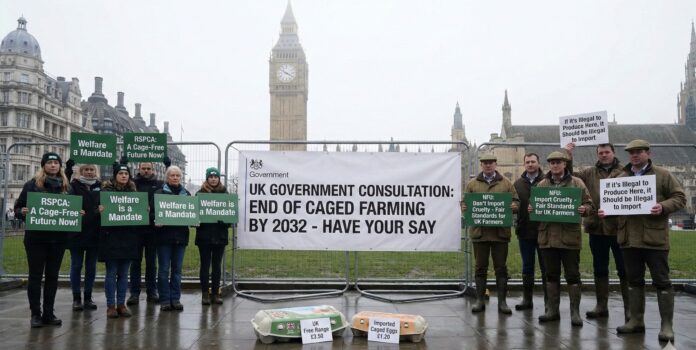
The British government’s decision on a possible ban on the keeping of hens in cages (in any of their forms — colony, enriched, etc.) within a six-year timeframe has been criticised by poultry organisations, as it does not, for the time being, contemplate banning imports of eggs produced in cages.
nnnnIn a consultation addressed to all of British society, open from mid-January until 8 March 2026, the UK Department for Environment, Food and Rural Affairs (DEFRA) announced that it was gathering views on the options for the proposed legislation, which are:
nnnn- n
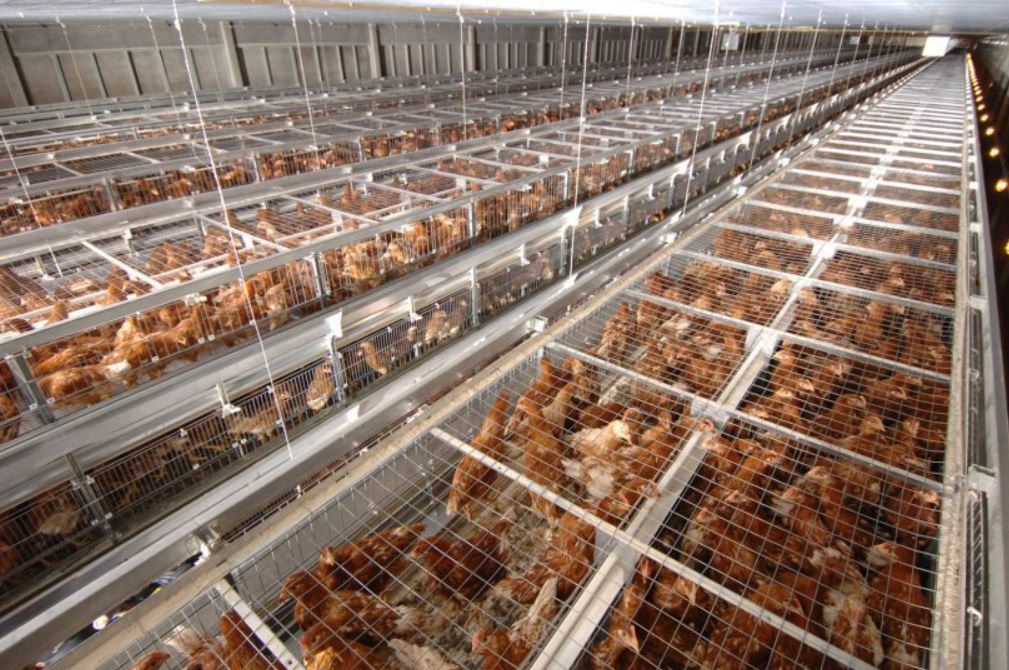
- A ban on the construction or first-time commissioning of any cage system for laying hens from 2027. nnnn
- A ban on the use of existing cages for laying hens in flocks of fewer than 350 birds from next year. nnnn
- A ban on the use of cages at all production scales, including any other system used for pullets and breeder layers, by 2032. n
The British Egg Industry Council (BEIC) stated that the government had not committed to an equivalent ban on the importation of eggs, egg products and products containing eggs. It added that the measure would provide few welfare benefits for hens.
nnnnNick Allen, Chief Executive of BEIC, stated that he was urging the government, if it wishes to ban existing cages, to make a clear and unequivocal commitment to fair trade and to support UK producers, since banning what would be illegal to produce here should also be illegal to import and sell in the United Kingdom.
nnnnHe also added that British consumers are already well informed to make their purchasing decisions regarding egg production systems, which are clearly indicated on packaging and on the eggs themselves.
nnn
British poultry farmers declare themselves broadly in favour… provided that cage egg imports from other countries are genuinely banned, and warn that if adopted, it will mark the definitive end of eggs as an affordable protein source.
nnnnFor its part, the National Farmers’ Union (NFU) expressed disappointment that DEFRA’s animal welfare strategy fails to recognise the important role that current enriched cage systems play in offering consumers choice and access to an affordable source of protein.
nnnn“Animal welfare is a top priority for poultry and livestock producers, who already go beyond the minimum and work to strict legal standards and assurance schemes to care for their animals,” said NFU President Tom Bradshaw. He added: “If the government wants to raise national animal welfare standards even further by phasing out existing cage systems for hens, it must ensure that consumers are protected from imported food that could be produced to lower standards, and that British poultry farmers are not asked to compete with imports produced to standards that would be illegal here.”
nnnnnnnnn“If the government wants to raise national animal welfare standards even further, IT CANNOT ASK BRITISH POULTRY FARMERS to compete with imports produced to standards that would be illegal here.”
n
The NFU has long been calling for a set of baseline standards for food imported into the United Kingdom, which should meet the same production standards required here. This is what the British public expects, and it is high time that a system of baseline standards was properly enshrined in British legislation.
nnn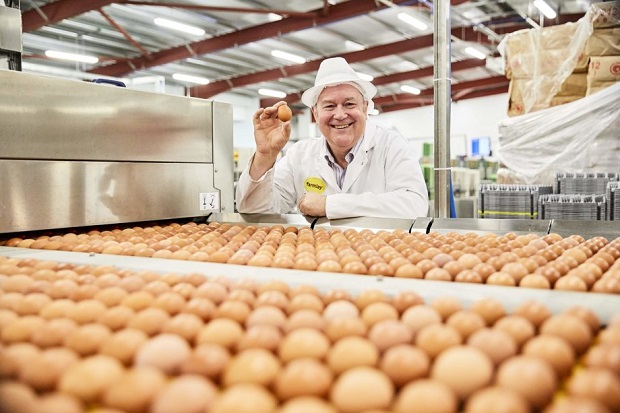
The British Government responds to poultry farmers with the argument that eliminating cages is a “popular mandate”
nnnn
Agriculture Minister Dame Angela Eagle stated that the Government had acted on the advice of the independent Animal Welfare Committee, adding that it “is committed to improving the lives of farm animals and to supporting poultry farmers to produce food sustainably, profitably and to the high animal welfare standards that British consumers expect, and that these measures reflect those values, creating healthier livestock and high-safety food production.”
According to DEFRA, eggs from hens currently kept in cages account for just over 20% of the UK’s shell egg production. Furthermore, the UK’s major retailers, from Sainsbury’s to Aldi, are already committed to not selling eggs produced in cage systems and enjoy broad public support, meaning that the measure now announced is in line with best practice and general public opinion.
nnn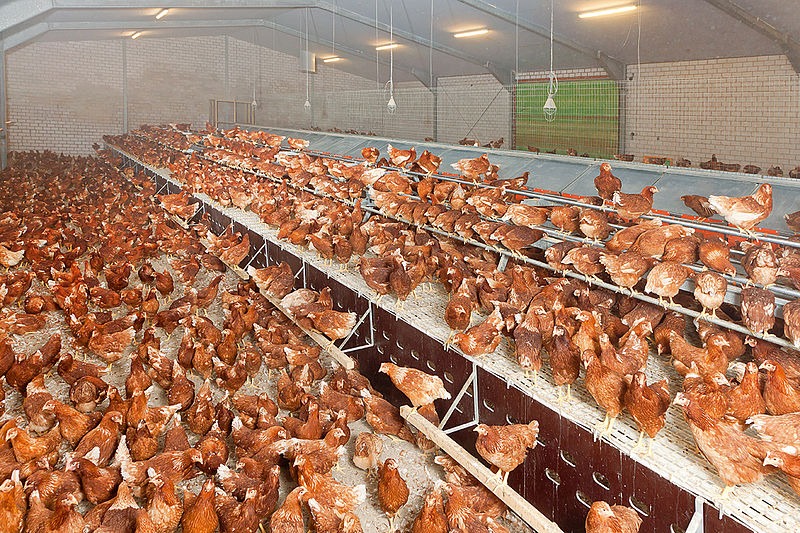
For its part, Compassion in World Farming UK (RSPCA), which has been campaigning for a cage ban for more than 50 years, welcomed the proposal, describing it as a major step forward for animal welfare, and urged the public to make their voices heard during the eight-week consultation period in order to achieve a cage-free future for farm animals in the United Kingdom.
nnn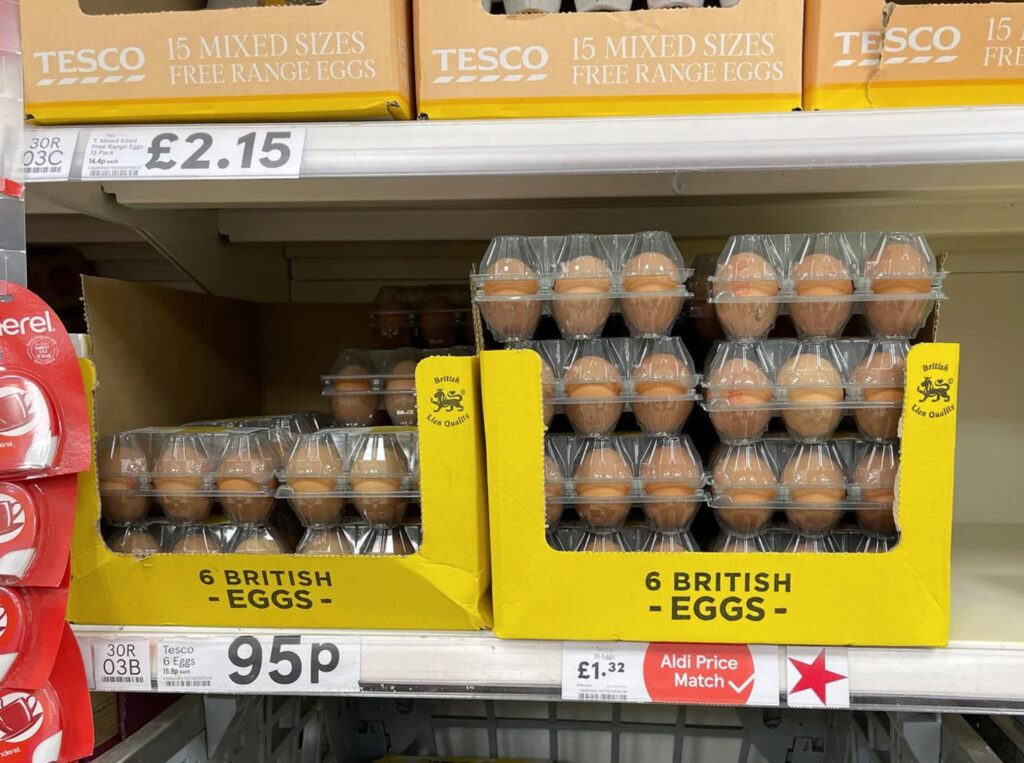
Main objective:
nnnnThe British Government has stated that the proposal seeks to improve animal welfare by gradually banning the use of cages for laying hens, pullets (young hens) and breeder layers. The aim is to reduce confinement and allow birds to express their natural behaviours in cage-free systems.
nnnnKey measures and proposed timelines:
nnnnThe consultation document proposes a phased phase-out with two critical dates:
nnnn- n
- From 2027:n
- n
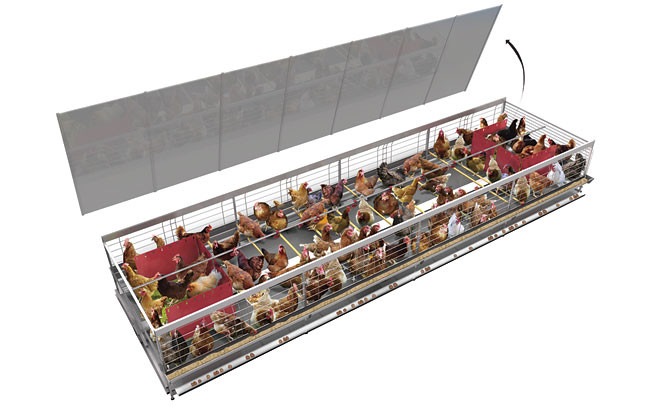
- The installation of new enriched cage systems (colony cages) will be banned. nnnn
- The use of conventional battery cages still remaining on small holdings (with fewer than 350 birds) will be banned. n
nnnn - From 2032:n
- n
- A total ban on the use of all existing enriched cages for laying hens. nnnn
- A ban on any other cage system for pullets and breeder layers. nnnn
- This would give producers a transition period of approximately six years (from the start of the ban on new cages) to adapt to alternative systems. n
n
Scope of the consultation:
nnnn- n
- Geographical scope: This is a joint consultation conducted on behalf of the UK Government, the Welsh Government, the Scottish Government and the Northern Ireland Executive, indicating an intention to apply the reform across the entire United Kingdom. nnnn
- Consultation period: The consultation opened on 12 January 2026 and is scheduled to close on 9 March 2026. n
A victory for the powerful animal welfare movement in the United Kingdom
nnnnThe proposal responds to the sustained pressure exerted by the highly influential British animal welfare lobby to change animal welfare legislation, as in their view cage systems — even enriched ones — severely restrict the movement and the physical and mental wellbeing of birds.
For further information:
-. Cage Reform Consultation on a proposal to ban the keeping of laying hens, pullets and breeder layers in cages. DEFRA, UK Government, 24 pages. 12 January 2026
-. Poultry farming in the United Kingdom
-. Cage-free systems
nnnn
Want to stay one step ahead in poultry farming?
Subscribe free to our eNewsletter and receive a weekly selection
of the best information to anticipate trends, stay up to date and grow as a poultry industry professional.
NeXusAvicultura: Vision, Insight, Quality and Context.