
More than 70 conference sessions over three days — from 2 to 4 June in Utrecht — cover artificial intelligence, antimicrobial resistance, sustainability, trade geopolitics and new markets such as Africa and Kazakhstan. A snapshot of some of the greatest challenges facing the poultry sector at the 25th edition of VIV EUROPE.
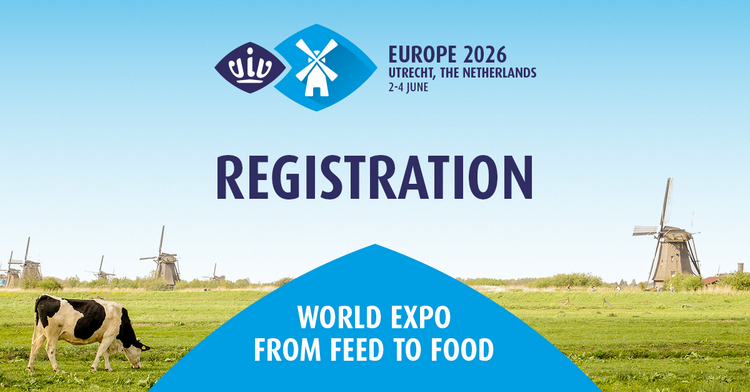
The organisers of VIV Europe 2026 have confirmed the full conference programme for what will be the 25th edition of the trade show — and the first under the new biennial cycle announced in January of this year. The event, at Jaarbeurs Utrecht (Netherlands) from 2 to 4 June, brings together more than 70 sessions over three days which, taken as a whole, serve as a barometer of the sector: what concerns researchers, companies and regulators today, and where the innovation set to enter farms over the next twenty-four months is heading.
The most telling signal is not in the programme itself, but in its context: 100% of the exhibition space is already sold out and the organisers expect around 20,000 international visitors for the approximately 600 exhibitors from Europe, Asia and the Middle East, with Poland as the 2026 Guest Country.
Artificial intelligence and precision poultry farming: when interpreting data translates into greater margins
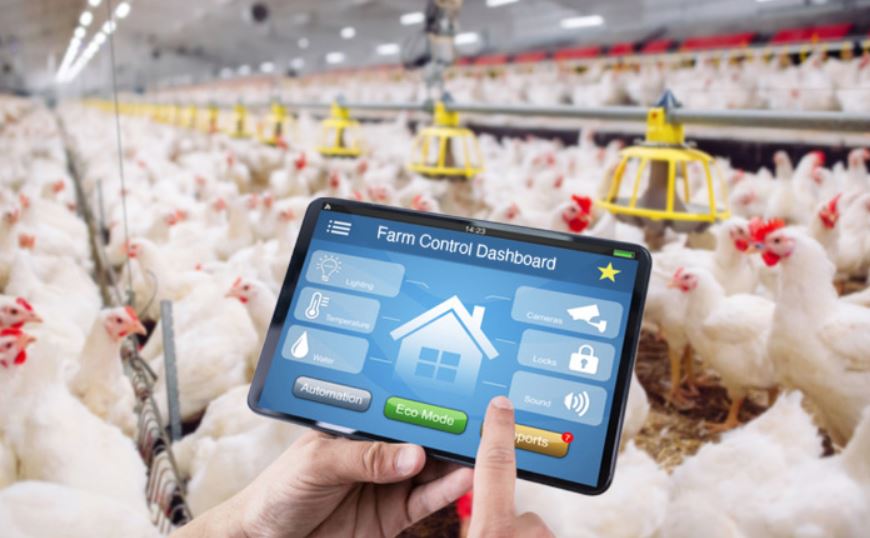
Technological innovation is the most prominent thread running through the programme. The AgriBITs Seminar (Wednesday 3 June at 15:00) and the Future Poultry Farming: From Science To Practical Solutions series (Tuesday 2 June at 15:00), coordinated by Wageningen University & Research and featuring high-profile speakers such as Vincent Guyonnet, address how artificial intelligence, digital twins, feed mill automation and precision nutrition are moving beyond pilot projects to become operational tools with measurable returns. For a technical director or production manager, the question is no longer whether to invest, but when and at what pace. The calibre of the presentations will undoubtedly help attending CEOs to better prioritise their upcoming poultry investments.
It is worth recalling that many of the technologies now considered commercial standard in poultry farming were first presented at previous editions of VIV.
Sustainability and profitability: how to reconcile the two?
Two sessions address this question head-on. Sustainability and Profit: Can You Have Both? (Wednesday 3 June at 11:00), organised by Misset, and From Footprint To Foodprint (Wednesday 3 June at 10:00), a joint session by the World’s Poultry Science Association (WPSA), the World Veterinary Poultry Association (WVPA) and Agrivaknet, put on the table the question that every European integrator is asking behind closed doors: is it possible to reduce environmental footprint without destroying margins? Friends of the Ecosystem Restoration Communities also contributes a broader perspective on soil restoration, water cycles and agroforestry applied to livestock production.
The regulatory backdrop is clear: the European Farm to Fork Strategy maintains its target of reducing overall antimicrobial use by 50% by 2030 and is advancing frameworks for measuring environmental impact that will ultimately condition access to markets and financing.
IS IT POSSIBLE TO MAINTAIN PROFITABILITY WHILE ALSO BEING SUSTAINABLE?
Animal health and antimicrobial resistance: the most urgent front
Many Ways To Reduce The Need For Antimicrobials (Wednesday 3 June at 14:00), organised by the World Veterinary Education in Production Animal Health (WVEPAH), brings together veterinarians and researchers from FAO, Utrecht University and industry. This is no ordinary academic session: antimicrobial resistance, alongside highly pathogenic avian influenza (HPAI), is the health challenge most affecting management, biosecurity and farm design decisions across Europe today.
HPAI does not feature as a dedicated session in the published programme, but it looms over every health and trade discussion: FAO recorded active outbreaks in 39 countries in the first months of 2026, and Europe culled more than 2.8 million birds in January alone, predominantly in the northwest of the continent and in Poland. The debate over whether or not to vaccinate, and the technologies that strengthen biosecurity, will undoubtedly be present in every corridor conversation.
“Reducing antimicrobial use has ceased to be a regulatory whim and has become the very condition of the social licence to raise animals and produce food.”
The Markets, Trade and Geopolitics session: the compass many integrators will need to calibrate their investments in the coming months.
Hungry For What’s Next? The Future Of Poultry And Eggs In A Changing World (Tuesday 2 June at 13:00), by Rabobank, is arguably the session with the most immediate implications for purchasing, sales and strategy managers at major integrators. The RaboResearch team led by Nan-Dirk Mulder has for years set the pace of poultry sector analysis with its quarterly and annual reports.
In these reports they warn of a scenario in which geopolitics — from the Strait of Hormuz to US tariffs and the EU-Mercosur agreement — will weigh more heavily on trade flows than the underlying supply and demand fundamentals.
Kazakhstan and Africa: the two new frontiers of European poultry farming
Two launches at the trade show merit specific attention. The first, Developments In The Poultry Market In Kazakhstan (Wednesday 3 June at 14:00), presented together with the international business programme (IBP) “Poultry Kazakhstan” of the Dutch Poultry Centre (DPC), formalises a Dutch-Kazakh alliance that opens Central Asia as a priority destination for European poultry technology, genetics and nutrition. The second, Bridging Continents: Partnerships For Sustainable Poultry Value Chains In Africa (Wednesday 3 June at 10:00), by the Netherlands-African Business Council (NABC), targets a long-term agenda: sustainable poultry value chains in Sub-Saharan Africa, where demand is growing at double-digit rates in some markets.
Cities Leading Food Production: the urban food system enters the picture
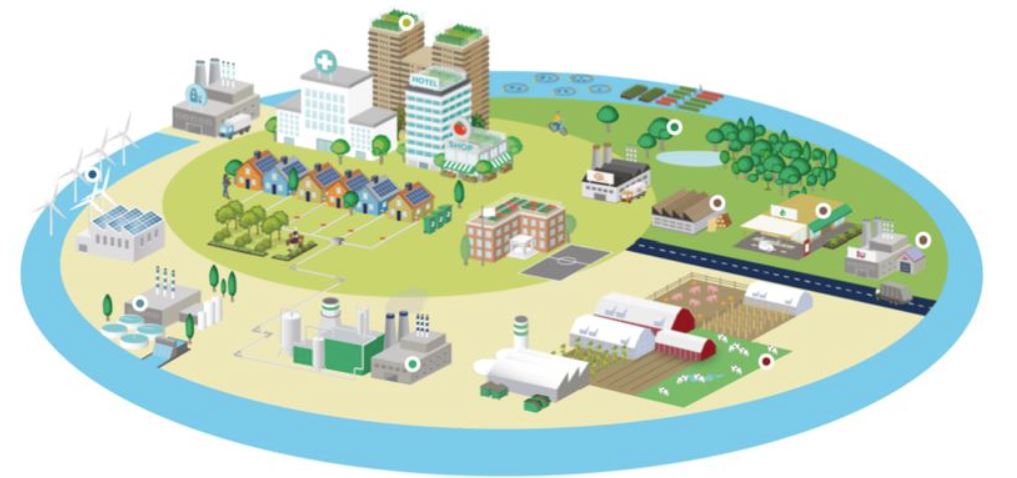
A series of conferences throughout the three days of the trade show, Cities Leading Food Production, will position urban communities as active agents in the food system, rather than mere consumers. Through workshops, round tables and matchmaking sessions, the series explores short supply chains, circular models, agroforestry and community resilience along the protein value chain. It is an emerging conversation but one of strategic relevance: social pressure and regulatory decisions on intensive poultry farming are growing precisely where demand is concentrated — in cities.
VIV Passport: the sector invests in the next generation
Alongside the conference programme, VIV Europe 2026 is launching the VIV Passport, a structured student participation initiative. Registered participants can attend keynote sessions and industry talks during the first two days, interact with professionals from across the animal protein chain and receive a student kit and a physical passport in which to collect stamps for attending at least three key sessions. Upon completion, they receive a digital participation certificate that can be added to LinkedIn or their CV. For a sector that is ageing — the average age of European poultry farmers exceeds 55 in a large proportion of member states — attracting young talent is not an optional extra, but a strategic priority.
Beyond eggs and poultry meat: dairy, feed and technical knowledge
The programme also covers dairy — Dairy 2030: Smarter Farming In A Changing World, from Global Dairy Farmers, offers an international perspective on data-driven decision-making in dairy operations — and the Build My Feedmill seminar, which covers the full spectrum of feed processing technology, from grinding and pelleting through to automation and control systems. Knowledge support comes from leading institutions: Wageningen UR, Rabobank, DPC, WPSA, WVPA, WVEPAH, NABC, The Weather Makers, Bionutrient Institute and BSV Association.
An ambitious conference programme
Taken as a whole, the VIV Europe 2026 programme confirms what many corridor conversations at recent congresses had been anticipating: the global poultry industry is simultaneously reordering five fronts — technological, health, environmental, commercial and social — at an accelerating pace. That is why the show has moved to a biennial format. And that is why, with barely three weeks to go before opening, the exhibition space has long been sold out.
Registration remains open. The organisers’ advice — and the experience of previous editions — is to arrive at the venue already registered: queues on the first day can easily consume two valuable hours of your schedule.
Secure your place today at: europe.viv.net
🔗 Free registration for professionals at: europe.viv.net
Further reading:
-. VIV EUROPE 2026 trade show
-. International events calendar: https://NeXusAvicultura.com/Calendario/
-. VIV Europe breaks its own mould: from every four years to every two
-. VIV Europe goes biennial because four years in poultry is already an eternity
-. From a pavilion in Utrecht to the world stage: the story of VIV Europe nobody has told you
-. 20 innovations that changed poultry farming forever and were first seen at VIV Europe