
WHO FOOTS THE BILL IN FRANCE FOR AVIAN INFLUENZA VACCINATION?
nnnnNow in its third year, France’s vaccination campaign against highly pathogenic avian influenza (HPAI) has brought about a significant reduction in disease outbreaks, but funding has become a source of controversy.
nnnnThe campaign, which began in October 2023 following a series of trials, is being carried out across the country — with the exception of Corsica — with a particular focus on high-risk areas.
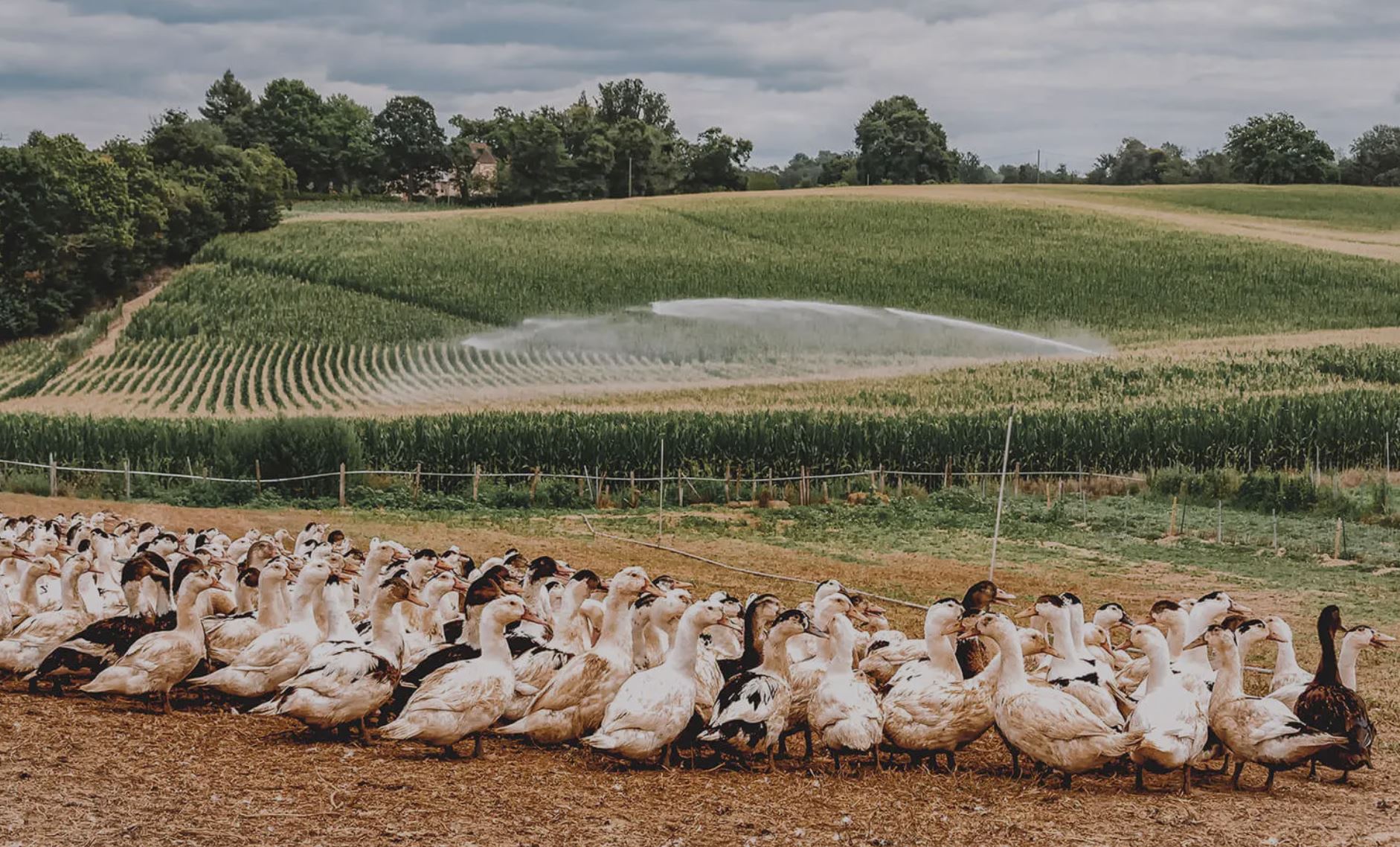
nnnnVaccines are administered exclusively to ducks, owing to their role in the epidemiology of HPAI, their susceptibility to the field virus, and their prolonged shedding of the virus once infected. Vaccination is mandatory for all meat ducks and for ducks reared for foie gras in flocks of 250 head or more.
nnnnDucklings receive a first dose of the vaccine followed by a booster. Two different types of vaccines are currently in use: one administered between 10 and 21 days of age with a second dose three weeks later, and another that can be given from day of hatch, with a second dose at 28 days. On-farm vaccination is supervised by a veterinarian.
nnnnAlongside the mandatory campaign, a voluntary programme also exists and, although both are restricted to ducks, the effects have been felt across the entire poultry sector.
nnnnAs part of the campaign, comprehensive active and passive surveillance is conducted — an essential component for evaluating the programme’s success and reassuring trading partners.
nnnnThe fact that France has persevered with vaccination for three years could be taken as evidence that the programme is working, and several studies have quantified the benefits. By way of confirmation, in November 2024 the European Association of Official Veterinarians highlighted the initiative’s success, noting that by that point 61 million ducks had been vaccinated and only 10 HPAI outbreaks per year had been reported, of which only two occurred on vaccinated farms — whereas, without the vaccination campaign, France would likely have experienced 487 outbreaks.
nnnnThey also noted that, in terms of costs, during the first year of the campaign total expenditure reached approximately €105 million, covering some 60 million vaccinated ducks. This was far less than the €1.4 billion in losses incurred during the 2021–2022 HPAI crisis.
nnnnHowever, the funding structure has changed since the programme was introduced and, in 2025, this has generated tension between the duck sector and government officials. Initially, costs were shared between the sector and the government, but the latter has gradually reduced its contribution: in the first year it covered 85% of costs, with the sector covering the remainder, while in the second year its contribution dropped to 70%.
nnnnBut the situation has worsened further: in 2026, the government has reduced its contribution even more, to 40%, on the basis of national budget constraints, after Minister of Agriculture and Food Security Annie Genevart stated that stakeholders needed to become more involved in order to ensure the long-term effectiveness of vaccination.
nnnnFor the third vaccination phase, the government covers only what it describes as “official activities related to vaccination,” which include veterinary supervision of vaccination operations, monthly active post-vaccination monitoring including clinical visits and virological sampling of vaccinated ducks, and laboratory analysis of samples collected during active surveillance.
nnnnProducers are now responsible for the purchase, storage, and transport of vaccines, in addition to the costs they were already covering during the first two campaigns, such as contributions to labour costs and compliance with biosecurity protocols.
nnnnThe decision to cut government funding has drawn sharp criticism from the sector, with some commentators describing it as “a brutal withdrawal by the State” and warning that some producers would abandon the campaign.
nnnnTo date, two different vaccines have been used throughout the campaigns, both complying with the DIVA (“Differentiate Infected from Vaccinated Animals”) protocol, facilitating flock surveillance to help demonstrate disease-free status for international trade.
nnnnThese next-generation vaccines offer high levels of efficacy against circulating viral clades and, unlike older vaccines, do not carry the associated risks.
nnnnWhen the vaccination campaign was first launched, concerns existed about whether there would be sufficient personnel for its implementation, but these fears have since been overcome. There have been some outbreaks in vaccinated flocks, but the overall tally has remained low to date. However, a vaccinated flock that experiences an outbreak will suffer extremely low losses compared with an unvaccinated one.
nnnnWhat has caused even greater concern for the French poultry sector, however, has been the impact on foreign trade, as once the campaign began to be implemented, several countries responded by banning imports from France. This occurred with EU member states plus Northern Ireland, Iceland, Switzerland, Liechtenstein, and Norway. Gradually, however, these trade restrictions have been eased following the conclusion of the evaluation of the French vaccination programme and the reduction of restrictions on products from unvaccinated flocks.
nnnnFor their part, producers appear satisfied with the outcomes of the vaccination programme and the recovery of production, but are deeply concerned about economic sustainability in the face of reduced government support.
Source: Mark Clements (Watt), 6-2-26
nnnn
To learn more:
-. Poultry farming in France
-. Avian Influenza on NeXusAvicultura
nnnn
Want to stay one step ahead in poultry farming?
Subscribe free to our eNewsletter and receive a weekly selection
of the best information to anticipate trends, stay up to date, and grow as a poultry industry professional.
NeXusAvicultura: Vision, Insight, Quality and Context.