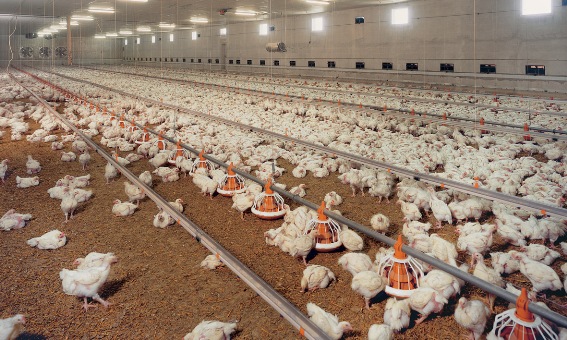

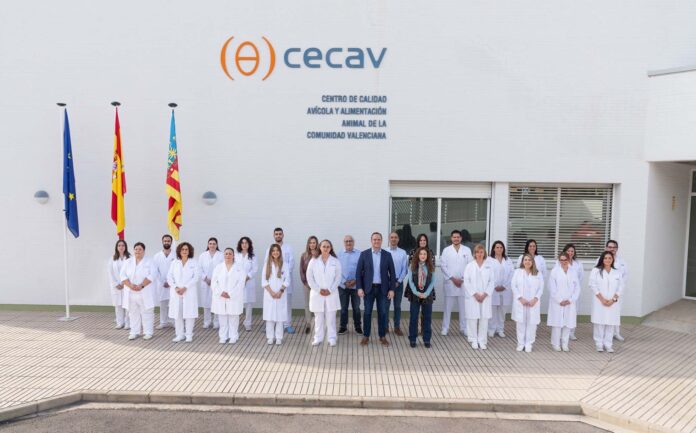
The Poultry Quality Centre of the Comunitat Valenciana (Cecav) is optimistic about the eradication of Newcastle disease, highlighting that containment measures successfully protected 41 of the 45 farms within the surveillance perimeter.
Valencia, 14 January 2026. The approximately fifty farms that have been subject to restrictions due to Newcastle disease outbreaks in Llutxent, Valencia, are beginning to see the end of the crisis. The veterinary authorities of the Generalitat, which in late December established a 10-kilometre surveillance perimeter to halt the spread of the virus, already have a target date for a return to normality.
The ban on introducing new birds is expected to be lifted on 9 February. From that date onwards, it will be mandatory for any new chickens entering the farms to be vaccinated against this disease, for which no cases had been recorded in Spain since 2022.
Reassurance in the sector: “Right now we are reasonably calm because, once we finish vaccinating these areas, we believe there will be no further cases.”
Optimism and Effective Containment
Pablo Catalá Gregori, Managing Director of Cecav, has confirmed the absence of new outbreaks since 2 January, creating a climate of moderate reassurance within the sector. “Right now we are reasonably calm because, once we finish vaccinating these areas, we believe there will be no further cases,” stated Catalá.
The containment strategy, implemented in collaboration with the Conselleria de Agricultura, the Asociación Avícola Valenciana and Tragsa, has proven to be effective. Of the 45 farms located in the surveillance zone, the virus directly affected only four, with the remainder successfully protected. Catalá, who has two decades of experience in the sector, underlines that the strain detected in Llutxent had never previously been identified on Valencian soil.
Effectiveness of the measures: “Of the 45 farms included in the surveillance zone, only 4 have been directly affected and we have managed to protect the rest.”
Timeline of the Crisis and Rapid Response
Cecav worked intensively throughout the Christmas holidays to provide rapid diagnoses and carry out the necessary culls. The alarm was raised on 23 December due to high mortality on one farm. Although avian influenza was initially suspected, analyses ruled out this possibility and confirmed that afternoon that the disease was Newcastle disease.
The response was immediate: depopulation operations began the following day. “When we arrived, 80% of the animals on the farm had already died. The remainder were culled using a humane method employing CO2,” explained Catalá, adding that the carcasses are buried in encapsulated pits.
High mortality: “When we arrived [at the first outbreak], 80% of the animals on the farm had already died.”
Strict Measures: Movement Restrictions and Disinfection
In total, four outbreaks were confirmed in Llutxent. Culling was carried out on these four infected farms, involving a total of 85,100 chickens, and on a fifth farm as a precautionary measure due to its extreme proximity to the outbreaks.
The Cecav manager detailed that all current regulations for the control of Newcastle disease have been applied: establishment of restriction and surveillance zones, and a complete movement ban on the farms, which requires express authorisation from the competent authority before any movement can take place. In addition, a disinfection point has been set up in Llutxent where every lorry is required to clean its wheels before accessing poultry facilities.
Difference from avian influenza: “Unlike avian influenza, for Newcastle disease there are well-proven vaccines that work very well.”
The Road to Recovery
Regulations require a sanitary standstill period of at least 30 days from the clean-up of the last active outbreak, placing the reopening date for restocking at 9 February. The strategy has involved clearing the zone as a form of quarantine, with veterinary inspection of animals sent to slaughter.
Unlike avian influenza, for which vaccines are still being tested across Europe without a definitively proven solution, Newcastle disease has vaccines of proven efficacy. As a result, for a period of between 6 months and one year, all birds in the area will be required to be immunised.
In parallel, Cecav is conducting biosecurity surveys on all 45 farms affected by the quarantine in order to strengthen biosecurity on the holdings in the Vall d’Albaida.
Long-term measures: “For a period of at least 6 months to 1 year, all birds in the area will have to be immunised.”
Source: Diario de Levante
For further information:
-. Fact sheet on Newcastle Disease (MAPA)
-. Official MAPA Notice of 29 Dec. 2025
-. National Newcastle Surveillance Programme 2025.
Want to stay one step ahead in poultry farming?
Subscribe free to our eNewsletter and receive a weekly selection
of the best information to anticipate trends, stay up to date and develop as a poultry industry professional.
NeXusAvicultura: Vision, Criteria, Quality and Context.